 Oldsmar Siding
 Roof Replacement in Carrollwood: Built for What This Climate Actually Does
A roof in the Tampa Bay area doesn't fail the same way a roof in a mild, dry climate fails. It gets cooked by direct UV exposure for most of the year, soaked by wind-driven rain during summer storms, and periodically tested by tropical systems that push water sideways instead of straight down. Add the salt-laden air that drifts inland from the Gulf, and you have a combination that shortens the working life of low-quality materials and punishes sloppy installation. When we talk about roof replacement for a Carrollwood home, we're not just swapping old shingles for new ones. We're rebuilding a system that has to hold up against heat cycling, wind uplift, and water intrusion, year after year, without babysitting.
This page is specifically about full roof replacement for homes in and around Carrollwood. It's not a general overview of every roofing option we offer — it's a straight explanation of what this particular job requires here, what a correct installation looks like, and why local experience matters more than most homeowners realize until something goes wrong.
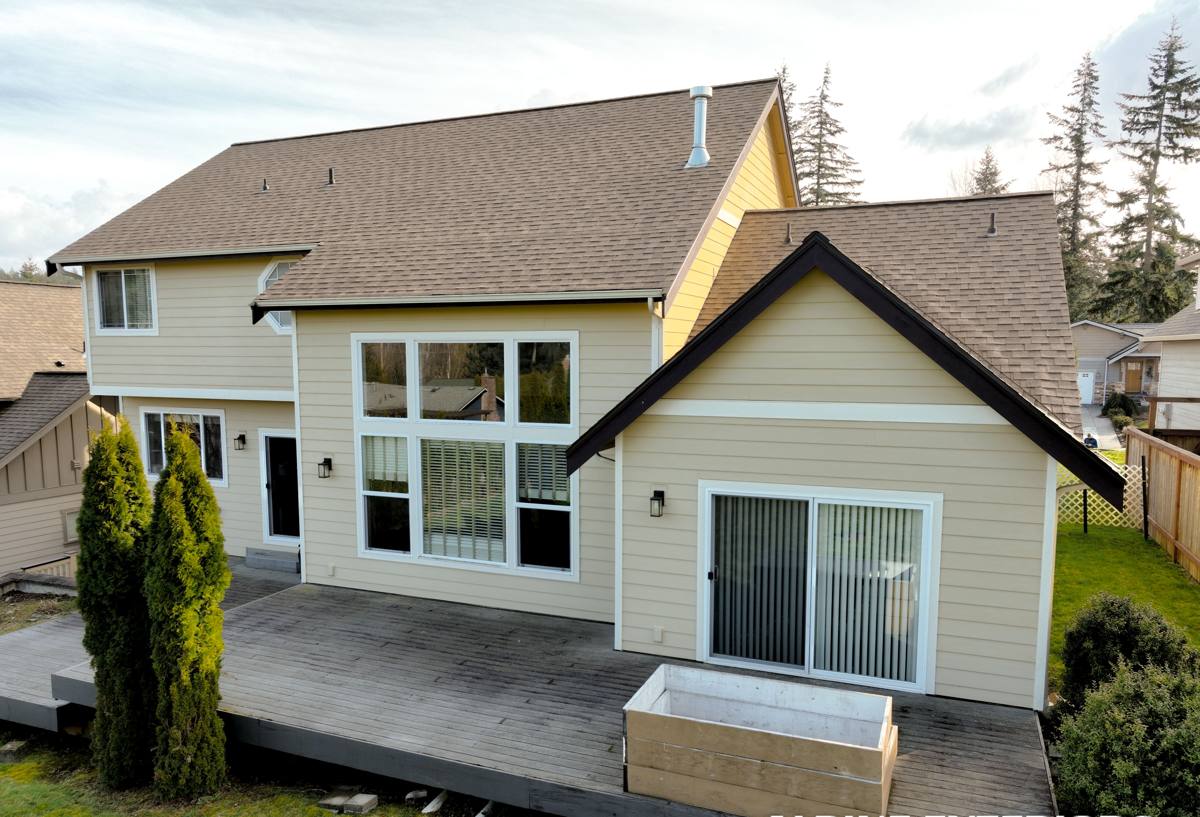
Signs a Carrollwood Roof Needs Replacing, Not Just Repairing
Not every roof problem means a full replacement. But there's a point where patching becomes a waste of money and the smarter move is a full tear-off and rebuild. Common indicators we look for during an inspection include:
- Shingles that are cupping, curling, or losing granules in large patches rather than isolated spots
- Multiple past repairs in different areas of the roof, suggesting the underlayment is failing broadly, not locally
- Visible daylight or staining in the attic along the roof deck, especially near valleys or penetrations
- A roof age approaching or past the manufacturer's expected service life for this climate, which typically runs shorter here than in cooler regions
- Soft or spongy decking discovered during a repair, which usually means moisture has been getting in for a while
- Consistently rising energy bills that point to failing attic ventilation or insulation tied to roof condition
If a roof is showing one or two of these in isolation, repair may still make sense. If it's showing several at once, replacement is usually the more honest recommendation — and we'll tell you that directly rather than stringing along a series of patch jobs.
What a Correct Roof Replacement Actually Involves
It Starts Below the Shingles
The shingles get all the attention because they're what you see, but the layers underneath do most of the real work in this climate. A correct replacement includes a full tear-off down to the deck, an inspection and repair of any damaged or rotted sheathing, and a properly installed underlayment system — including self-adhering waterproof membrane at eaves, valleys, and other vulnerable transitions where wind-driven rain is most likely to find a way in.
Flashing Is Where Most Failures Start
Flashing around chimneys, skylights, vent pipes, and roof-to-wall transitions is one of the most common points of leak failure — not because the shingles fail, but because flashing was reused, undersized, or improperly sealed during a previous job. A proper replacement means new flashing at every penetration and transition, not a reuse of whatever was there before.
Ventilation Isn't Optional Here
Florida attics get extremely hot, and a poorly ventilated attic accelerates shingle aging from underneath while also driving up cooling costs. A correct roof replacement accounts for intake and exhaust airflow as a system, not an afterthought — balancing soffit intake with ridge or other exhaust venting so the attic can actually breathe.
Fastening Matters More Than Most Homeowners Realize
Wind uplift is a real design consideration here, not a theoretical one. Nail pattern, fastener count, and adhesive sealing strips all affect how well a roof resists the kind of gusts that come through during Florida's storm season. Cutting corners on fastening is invisible on installation day and very visible the first time a strong system rolls through.
Choosing the Right Roofing System for a Carrollwood Home
There's no single "best" roofing material for every house — it depends on the roof structure, budget, and how long you plan to own the home. Here's an honest comparison of the main options we discuss with homeowners in this area:
| Material | Typical Lifespan Here | Wind/Storm Performance | Maintenance Burden | Relative Upfront Cost |
|---|---|---|---|---|
| Architectural (laminate) asphalt shingle | Moderate-long, varies by product line | Good when properly fastened and sealed | Low to moderate | Moderate |
| 3-tab asphalt shingle | Shorter than architectural | Lower wind resistance rating in most lines | Moderate | Lower |
| Standing seam metal | Long | Very good, especially with proper clip spacing | Low | Higher |
| Concrete or clay tile | Very long for the tile itself | Good, but individual tiles can crack or dislodge in severe wind | Moderate, underlayment beneath tile still ages and needs eventual replacement | Highest |
We'll walk through these trade-offs honestly during your estimate — including what fits your roof's pitch and structure, and what makes sense for how long you plan to stay in the home. We don't push the most expensive option by default, and we don't cut corners to hit the cheapest number either.
Our Roof Replacement Process
- On-site inspection and honest assessment — we look at the roof, the attic, and the decking before recommending repair versus replacement.
- Written scope and material selection — you get a clear breakdown of what's being done and what's going on your roof, no vague line items.
- Permitting — handled on our end so the job is inspected and documented correctly.
- Tear-off and deck inspection — old material removed, deck checked and repaired where needed before anything new goes down.
- Underlayment, flashing, and ventilation installed — the system that does the real waterproofing and airflow work.
- New roofing material installed to manufacturer and code specification — proper fastening, sealing, and finishing details.
- Final walkthrough and cleanup — including magnetic sweep for stray fasteners and a review of the finished work with you.
Permits, Code, and Insurance Considerations in This Area
Roof replacements in the Tampa Bay area are permitted and inspected work, not a handshake job. Local building codes reflect the wind and storm exposure of the region, which affects fastening schedules, underlayment requirements, and in some cases material selection. Skipping or faking a permit might save a few days upfront, but it can create real problems later — during a home sale, an insurance claim, or a future inspection — when there's no record the work was done to code.
Insurance is worth mentioning too. Many homeowners' policies in Florida factor roof age, material, and documented wind-mitigation features into premiums. A properly permitted, correctly installed roof with documentation can make a real difference when it's time to renew or shop coverage, and it gives you something concrete if you ever need to file a wind or storm damage claim.
Why Hiring a Crew That Already Works Carrollwood Matters
Roofing generalists who cover a huge, spread-out territory tend to build in extra travel buffers, generic scheduling, and less familiarity with the specific inspection offices and code interpretations that apply locally. A crew that regularly works Carrollwood and the surrounding communities has already built relationships with local permitting processes, understands the housing stock common to the area, and can respond faster if something needs a follow-up look after a storm. That local familiarity isn't a marketing point — it translates into fewer scheduling surprises and a smoother permitting process for you.
It also means accountability. A contractor who works this area consistently has a reputation to protect with the same neighbors and repeat customers year after year — that's a different incentive structure than a crew passing through from out of the region for a single job.
Roof Replacement Checklist for Carrollwood Homeowners
- Get a written estimate that itemizes materials, not just a lump-sum number
- Confirm the contractor pulls a permit and schedules required inspections
- Ask specifically what underlayment and flashing products will be used, not just the shingle brand
- Confirm attic ventilation will be assessed and addressed, not just the visible roof surface
- Ask how storm/wind-rated the proposed material and fastening method are for this region
- Get manufacturer warranty terms in writing, and understand what voids them
- Ask about cleanup and fastener sweep procedures before work begins
- Verify licensing and insurance directly rather than taking a business card's word for it
Protecting the Investment After Installation
A new roof still benefits from basic upkeep in this climate. Keeping gutters and downspouts clear prevents water from backing up under the roof edge during heavy rain. A periodic visual check after major storms — looking for lifted shingles, displaced flashing, or debris buildup in valleys — catches small issues before they become interior leaks. Trimming back overhanging branches reduces both physical abrasion on the roofing surface and the amount of organic debris that collects and holds moisture. None of this requires a professional visit every time, but it's worth a walk-around after any significant weather event.
If you're weighing repair versus replacement, or you just want a straight answer about the condition of your roof, we're happy to take a look and give you an honest read — no pressure, no upsell script. Fill out the form below for a free estimate on your Carrollwood roof replacement.