 Oldsmar Siding
 Why Citrus Park Homes Need a Different Approach to Windows
Citrus Park sits close enough to the Gulf that homes here take on a specific mix of punishment: long stretches of intense UV exposure, humidity that never really lets up, sudden wind-driven downpours, and salt-tinged air that finds its way into aluminum tracks and hardware even miles inland. Add in the hurricane season pressure swings that Pinellas County deals with every year, and a window's job here is a lot harder than it is in most of the country. It's not just about keeping weather out. It's about holding up to constant thermal cycling, resisting UV degradation on frames and seals, and doing it year after year without warping, fogging, or leaking.
A window that was engineered for a mild climate and just happens to be sold in Florida will show its weaknesses fast here. That's why energy-efficient windows for this area need to be evaluated on more than their energy rating alone — the frame material, the glass package, and the installation details all have to work together for Gulf coast conditions specifically.
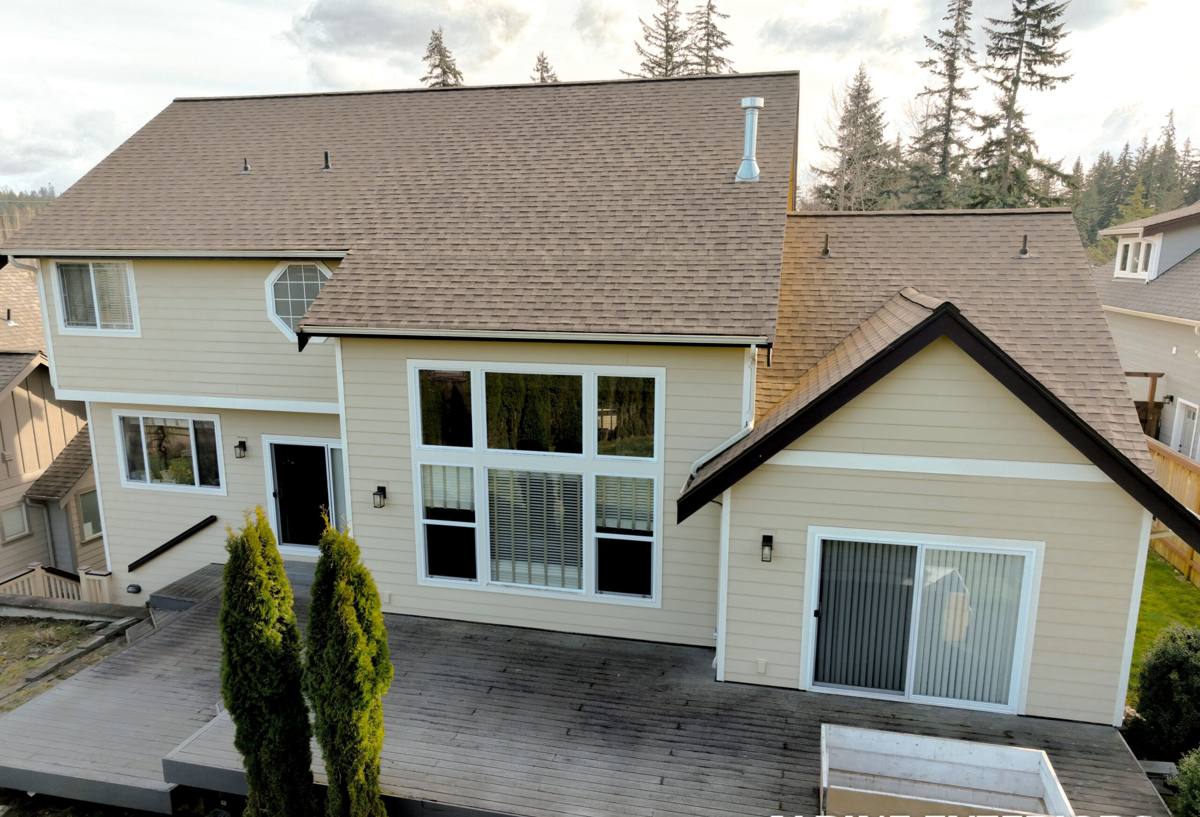
What "Energy-Efficient" Actually Means in This Climate
In a lot of the country, energy-efficient windows are mostly about keeping heat in during winter. In Citrus Park, the equation flips. The real work is keeping solar heat gain and humidity out for most of the year, while still letting in usable daylight. That changes which specs actually matter for a home here.
The Specs That Matter Locally
- Low-E coatings tuned for solar heat rejection — not all Low-E glass is the same; the coating package should be selected for a hot-humid climate, not a heating-dominated one
- SHGC (Solar Heat Gain Coefficient) — lower is generally better here, since the goal is blocking heat, not trapping it
- U-factor — still matters for keeping conditioned air inside, especially with how much homes here run air conditioning
- Impact-rated or laminated glass — provides a real edge against wind-borne debris and pressure changes during storm season
- Frame material stability — needs to resist warping and fading under sustained UV without needing constant upkeep
A window that scores well on paper but wasn't built with humidity and salt exposure in mind can still underperform once it's actually installed on a home a few miles from the water.
What a Correct Installation Involves
Most window failures we get called out to inspect in this area aren't glass problems — they're installation problems. The window itself can be a solid product and still fail early if it wasn't set, flashed, and sealed correctly for wind-driven rain conditions. A proper job includes several steps that are easy to skip and hard to notice until something goes wrong.
Steps We Don't Cut Corners On
- Removing the old window and inspecting the rough opening for hidden moisture damage or rot before anything new goes in
- Correcting any framing or sill issues found, rather than installing over a compromised opening
- Installing sill pan flashing to direct any water that gets past the window back outside, instead of into the wall cavity
- Applying flashing tape and sealant in the correct layered order so water sheds outward at every joint
- Shimming and fastening the unit level, plumb, and square, per the manufacturer's fastening schedule
- Sealing the interior and exterior with the appropriate sealant for Florida's UV and humidity exposure
- Testing operation and checking for air infiltration before calling the job done
Skip any one of these steps and you can end up with a window that looks fine but leaks during the first wind-driven rain event, or one that lets humid outside air seep into the wall cavity slowly over time — a problem that often isn't visible until there's already damage behind the finished wall.
Frame Material Comparison for This Climate
Homeowners in Citrus Park usually choose between a few main frame materials. Each has real trade-offs worth understanding rather than assuming one is automatically "the best."
| Frame Material | Strengths in This Climate | Trade-Offs |
|---|---|---|
| Vinyl | Good insulating value, low maintenance, resists salt corrosion, competitively priced | Quality varies widely between manufacturers; lower-grade vinyl can warp under sustained heat |
| Fiberglass | Very stable in heat and humidity, holds paint and finish well, strong long-term durability | Higher upfront cost than vinyl |
| Aluminum | Strong, slim sightlines, historically common in Florida construction | Conducts heat readily and is more prone to salt-air corrosion over time without proper coatings |
| Wood-clad | Traditional appearance, good insulating core | Higher maintenance burden in humidity; cladding failure can expose wood to moisture |
We'll walk through which option fits a given home's exposure, budget, and style — there's rarely one universal right answer, but there is usually a clearly better fit once we know the specifics.
Cost Factors Homeowners Should Understand
Window project costs vary a lot based on more than just the window brand. Before getting a number, it helps to understand what actually drives the price up or down.
| Factor | How It Affects Cost |
|---|---|
| Frame material | Vinyl is typically the most budget-friendly; fiberglass and impact-rated assemblies cost more upfront |
| Impact rating | Impact-rated glass adds cost but can reduce or eliminate the need for separate shutters or panels |
| Number of openings | Full-home replacements typically bring a better per-window cost than a handful done individually |
| Existing opening condition | Rot, framing damage, or out-of-square openings found during removal add labor to correct properly |
| Window size and configuration | Larger openings, sliders, and custom shapes cost more than standard single or double-hung units |
We give straightforward, itemized estimates so you can see exactly what's driving the number — not a flat bid that hides where the money is going.
Signs Your Current Windows Are Underperforming
Not every homeowner in Citrus Park needs full replacement immediately, but certain signs point to windows that are actively costing you money or putting the home at risk.
- Condensation forming between panes, which usually means a failed seal on double-pane glass
- Rooms near windows that feel noticeably hotter than the rest of the house on sunny afternoons
- Visible warping, discoloration, or chalking on the frame material
- Difficulty opening, closing, or locking a window that used to operate smoothly
- A noticeable draft or whistling sound during windy conditions
- Water staining on the interior sill or wall below a window after heavy rain
- A jump in cooling costs without a clear cause elsewhere in the home
Any one of these on its own might just need a repair. Several showing up together usually means the windows are past the point where repair makes more sense than replacement.
Why Local Installation Experience Matters
Window installation looks similar on paper everywhere, but the details that make it hold up in Citrus Park are specific to this coastal Gulf environment. A crew that installs windows regularly in this part of Pinellas County already knows which flashing details fail under wind-driven rain here, which frame products actually hold up to years of salt air rather than just surviving a showroom demo, and how local wind and moisture exposure should shape material choices for a given home's orientation and setting.
That local experience shows up in small decisions — sealant selection suited to sustained UV and humidity, fastening schedules that account for wind exposure, and flashing sequences built around wind-driven rain rather than just vertical rainfall. Those are the details that separate a window installation that lasts fifteen-plus years from one that starts causing problems in three.
Our Process for Citrus Park Homeowners
We keep the process straightforward and transparent from the first visit to final walkthrough.
- On-site assessment — we look at your current windows, note any signs of moisture intrusion or frame failure, and discuss your priorities (energy performance, storm resistance, appearance, budget)
- Product recommendation — based on your home's exposure and goals, we recommend frame materials and glass packages suited to this climate, not a one-size-fits-all package
- Written, itemized estimate — you'll see exactly what's included, with no vague allowances
- Careful removal and opening inspection — we check for hidden damage before installing anything new
- Correct installation — proper flashing, sealing, and fastening per manufacturer specifications
- Final walkthrough — we test every window with you before considering the job complete
There's no pressure and no rushed sales pitch — just a clear look at what your home actually needs.
Getting Started
If your windows in Citrus Park are showing their age, running up your cooling bills, or you're just planning ahead of the next storm season, we're happy to take a look and give you an honest assessment — no obligation, no pressure. Use the form below to request a free estimate, and we'll walk you through your options based on your home's specific exposure and needs.