 Oldsmar Siding
 Storm Damage Roof Repair Built for Citrus Park's Weather
Citrus Park sits close enough to Tampa Bay and the Gulf to catch the full range of what west-central Florida throws at a roof: tropical storm and hurricane-force wind gusts, sudden hail embedded in fast-moving thunderstorm cells, and the kind of sideways, wind-driven rain that finds every gap a roof has. Add in Pinellas County's near-constant UV load and the salt-laden air that drifts in off the coast, and you have a climate that ages roofing materials faster than almost anywhere else in the country. A roof that looks fine from the driveway can already have wind-lifted shingles, cracked underlayment, or compromised flashing that only shows itself during the next heavy rain.
Storm damage roof repair isn't a one-size-fits-all service. A roof that took a glancing hit from a summer thunderstorm needs a different scope of work than one that lost a section of shingles in a named storm's outer bands. Getting that scope right the first time — and documenting it correctly — is what separates a repair that holds up from one that leaks again in six months.
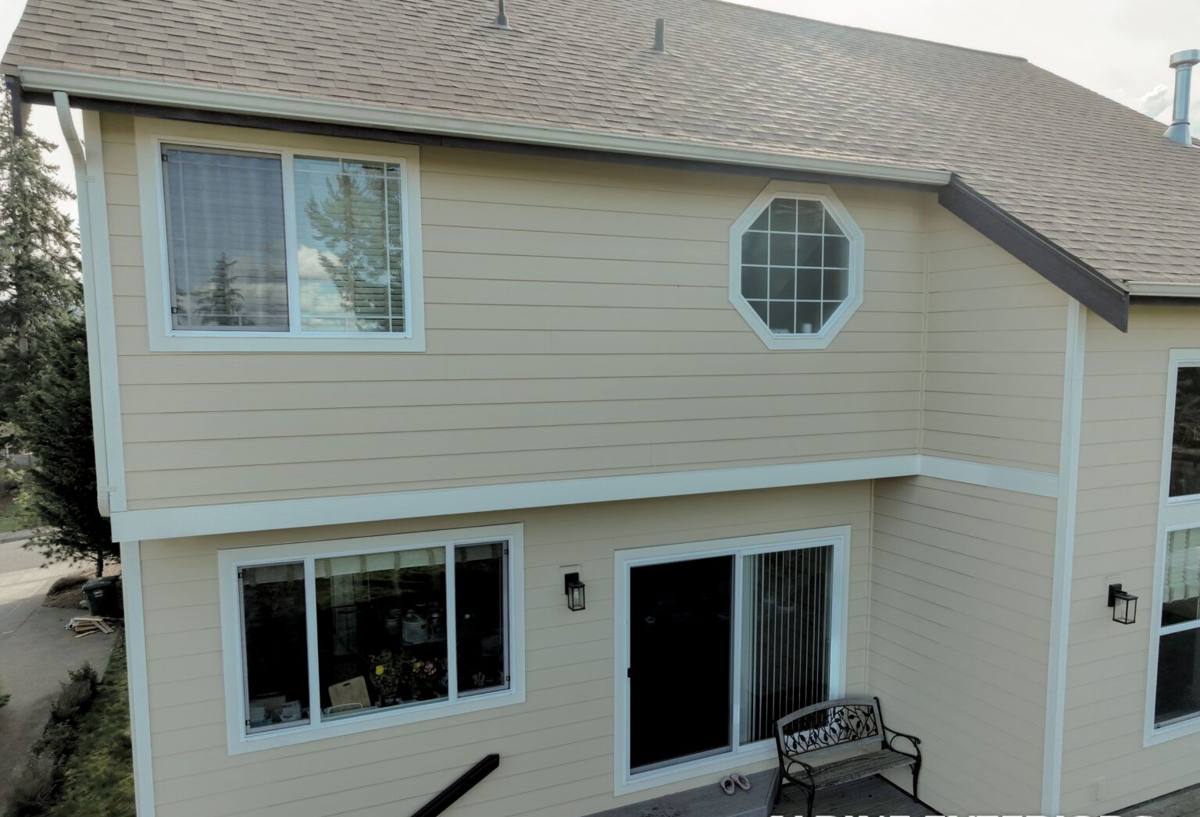
How Storms Actually Damage a Roof Here
Wind
Florida building code requires roofing systems rated for high wind uplift, but even code-compliant roofs can suffer damage when gusts get up under a shingle edge, a ridge cap, or a piece of flashing. Once wind creates that initial lift point, subsequent storms peel more material back, and water intrusion follows almost immediately.
Wind-Driven Rain
Rain that falls straight down mostly runs off a properly shingled roof without issue. Rain that's being pushed sideways at 40-60 mph behaves differently — it can work its way under shingle tabs, around vent boots, and through nail penetrations that would never leak in normal weather. This is why a roof can pass a casual visual inspection after a storm and still be actively leaking into the attic.
Hail and Wind-Blown Debris
Hail in this region tends to be smaller than what you'd see in the Midwest, but it's often accompanied by branches, palm fronds, and other debris carried by the same storm. Impact damage can bruise or crack shingles, dent metal flashing and gutters, and in some cases fracture the mat beneath the shingle's granule layer — damage that's easy to miss without a close inspection.
UV and Salt Air (the slow damage)
These two don't cause a single dramatic failure the way a storm does, but they set the stage for one. Constant UV exposure dries out asphalt shingles and breaks down sealants over time, while salt air accelerates corrosion on exposed fasteners, flashing, and metal roofing components. A roof already weakened by years of sun and salt is far more likely to sustain real damage in a storm that an equivalent roof in a milder climate would shrug off.
Signs Your Citrus Park Roof May Have Storm Damage
After any significant wind or rain event, a walk around the exterior and a look in the attic can catch problems before they become a bigger repair. Look for:
- Missing, cracked, curled, or displaced shingles, especially near ridges, edges, and valleys
- Granules collecting in gutters or at downspout outlets
- Bent, lifted, or missing flashing around chimneys, skylights, and roof-to-wall intersections
- Dented or creased metal on vent caps, gutters, or metal roof panels
- Water stains on interior ceilings or in the attic, even faint ones
- Soft spots or sagging when walking the roof surface (leave this to a professional)
- Debris still lodged on the roof or in valleys after cleanup
Not every one of these means a full repair job, but any of them is a reason to get a professional look rather than wait for the next storm to make the problem worse.
What a Correct Storm Damage Repair Actually Involves
A repair that only replaces the shingles you can see missing from the ground is a partial fix. A correct repair addresses the whole assembly:
- Underlayment inspection — if wind lifted the shingle layer, the underlayment underneath may already be torn or saturated and needs to be evaluated, not just covered back up
- Deck condition — sustained water intrusion can soften the wood decking beneath the roofing material; any soft or delaminated sections need to be replaced, not shingled over
- Flashing repair or replacement — flashing that's been bent, lifted, or corroded needs to be reseated or replaced, since it's one of the most common re-leak points after a "repaired" roof
- Matching materials — shingle color and profile availability changes over time; a repair should match as closely as possible to avoid an obvious patch look, and where an exact match isn't available, we'll tell you honestly rather than promise something we can't deliver
- Fastener pattern — replacement shingles and flashing should be re-secured to current wind-rating standards, not just tacked back down
Repair vs. Replacement: How We Help You Decide
Not every storm-damaged roof needs full replacement, and not every "repair" is actually a good long-term investment. The right call depends on the roof's age, the extent of the damage, and how much of the underlying structure was affected.
| Factor | Leans Toward Repair | Leans Toward Replacement |
|---|---|---|
| Roof age | Under 10-12 years, otherwise in good condition | Approaching or past the material's expected service life |
| Damage extent | Isolated to one section or slope | Widespread across multiple slopes |
| Decking condition | Solid, dry decking under the damaged area | Soft, delaminated, or repeatedly wet decking |
| Prior repair history | First significant repair needed | Multiple past repairs, recurring leaks |
| Insurance scope | Adjuster scope matches a repair-level claim | Adjuster or independent inspection supports full replacement |
We'll walk you through where your roof falls on that scale honestly — our job is to fix the actual problem, not to upsell a replacement a repair could reasonably solve, or to patch something that genuinely needs to come off.
Insurance and Documentation
Storm-related roof claims move faster and go smoother when the damage is documented properly before repairs begin. We provide a written inspection report with our findings, which you can share with your insurance adjuster or use for your own records regardless of whether you file a claim. We're glad to be present during an adjuster's inspection to point out damage that can be easy to miss from the ground, but we don't handle the claim itself — that stays between you and your insurance company. If temporary protection is needed to prevent further water intrusion while a claim is processed, we can install a tarp or other temporary covering so the damage doesn't spread while paperwork is in motion.
Our Process for Citrus Park Storm Repairs
- Initial contact and scheduling — we prioritize active leaks and safety hazards first, especially in the days right after a storm event
- On-roof inspection — a full walk of the roof surface, attic check where accessible, and photo documentation of every area of concern
- Written scope and estimate — a clear explanation of what's damaged, what needs to be done, and why, before any work starts
- Temporary protection if needed — tarping or emergency sealing to stop active water intrusion
- Repair work — decking, underlayment, flashing, and roofing material addressed as a system, not just a patch
- Final walkthrough — we review the completed work with you and confirm everything matches the agreed scope
Why a Locally Experienced Crew Matters Here
Storm damage repair isn't just a roofing skill — it's a knowledge of how this specific climate behaves. A crew that regularly works Oldsmar and the surrounding Pinellas County neighborhoods, including Citrus Park, knows the wind exposure patterns typical of the area, understands the salt-air corrosion issues that show up on flashing and fasteners near the coast, and has already seen how local building code requirements apply to storm repairs on homes of this region's typical age and construction. That familiarity means fewer surprises once a repair is underway, and a scope of work that accounts for the whole picture rather than just the visible damage.
It also means faster response when it matters most. After a significant storm, roofing crews get busy fast across the whole bay area. A crew already established in this part of Pinellas County isn't starting from scratch to figure out logistics, permitting, or material availability in your neighborhood.
Get a Free, No-Pressure Estimate
If your Citrus Park home has visible storm damage, a suspected leak, or you just want a professional set of eyes on your roof after a rough weather stretch, we're glad to take a look. The estimate is free, there's no pressure to move forward, and you'll get a straight answer about what your roof actually needs — whether that's a targeted repair, a bigger scope of work, or simply confirmation that you're fine for now. Use the form below to get started.