 Oldsmar Siding
 Deck Repair Built for Clearwater's Climate
Clearwater sits on the Gulf side of Pinellas County, a few minutes from Oldsmar, and that location shapes what happens to a deck here. Homes in this area deal with a longer, harsher combination of conditions than most of the country ever sees: intense UV exposure nearly every day of the year, salt-laden air rolling in off the Gulf and Old Tampa Bay, wind-driven rain that gets pushed sideways into ledger boards and railings, and the occasional hurricane-force wind event that tests every fastener and connection point. A deck that would last decades in a drier, cooler climate can start showing real problems here in half that time if it wasn't built or maintained with this environment in mind.
We repair decks for homeowners throughout the Clearwater area, and the calls we get tend to follow a pattern: soft spots near the house where the ledger meets the wall, rusted or popped fasteners, railings that have gone wobbly, and boards that look fine on top but are punky underneath. None of that is unusual for this part of Florida — it's just what happens when wood, wind, water, and salt spend years together. The good news is that most of it is fixable without a full deck replacement, as long as it's caught and repaired correctly.
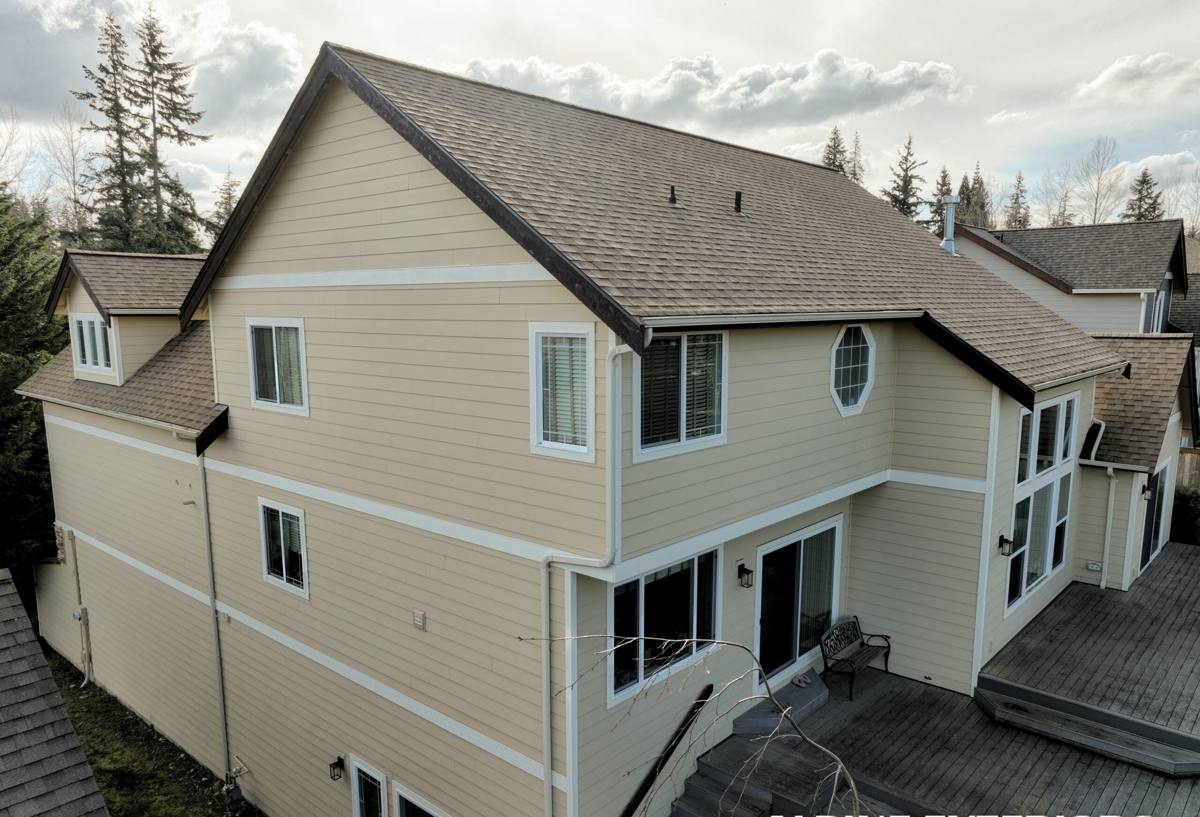
What Clearwater's Climate Actually Does to a Deck
UV and Heat
Florida sun breaks down the lignin in wood fibers and dries out the natural oils that keep boards flexible. Over time this shows up as graying, splitting, and surface checking — small cracks that run along the grain. On composite decking, prolonged UV exposure can fade color and, on lower-quality boards, make the surface brittle. Either way, sun damage is rarely just cosmetic; it's the first stage that lets moisture get deeper into the material.
Wind-Driven Rain and Humidity
Rain in this region rarely falls straight down. Storms off the Gulf push water sideways, which drives moisture into joints, under railings, and behind ledger boards that would stay dry in a calmer climate. Combine that with Pinellas County's year-round humidity and you get wood that never fully dries out between rain events — the exact condition that rot and fungal decay need to take hold.
Salt Air
Clearwater's proximity to the Gulf and the bay means airborne salt is a constant, even well inland from the immediate waterfront. Salt accelerates corrosion on any exposed metal — nails, screws, joist hangers, structural brackets — much faster than it would inland. A fastener rated for general outdoor use can corrode and lose holding strength years before its counterpart would fail in a drier, non-coastal climate.
Wind Load
Pinellas County's building code reflects its hurricane exposure, and decks are structural, not just cosmetic. High wind events put lateral and uplift stress on railings, guard posts, and ledger connections. A deck that was fine in calm weather can reveal a fastener or bracing problem the first time it takes a real gust.
Common Deck Problems We See in the Clearwater Area
- Ledger board rot — the board that attaches the deck to the house is the single most common failure point, because it traps moisture against the home's exterior wall.
- Corroded or popped fasteners — salt air and repeated wet/dry cycles work screws and nails loose or rust them through.
- Loose or wobbly railings — often a sign that the post connections have weakened, which is a safety issue, not just an aesthetic one.
- Soft, spongy, or delaminating boards — usually rot or, on composite material, moisture intrusion at a cut edge or fastener hole.
- Cracked or splitting boards from UV exposure — surface checking that, left alone, becomes an entry point for water.
- Structural sag between joists — undersized or deteriorated framing that flexes underfoot.
- Stair issues — loose stringers, worn treads, and railings that no longer meet code height or spacing.
What a Correct Deck Repair Actually Involves
A repair that just replaces the boards you can see is often a short-term fix. Doing it right means finding out why the damage happened and addressing that cause, not just the symptom.
1. Full Structural Inspection
We check the ledger board connection, joists, beams, posts, and footings — not just the decking surface. A lot of the damage that matters most is underneath, where it's easy to miss on a casual look.
2. Moisture and Rot Assessment
We probe suspect boards and framing members to find soft spots that aren't visible from the surface. Rot spreads, so we trace it back to its source rather than only replacing the obviously damaged piece.
3. Fastener and Hardware Review
Given the corrosion this area's salt air causes, we check whether the existing hardware is rated for coastal exposure. Undersized or non-rated fasteners get flagged for upgrade even if they haven't failed yet.
4. Targeted Repair or Section Replacement
Depending on what we find, that might mean replacing individual boards, rebuilding a ledger connection, sistering a joist, reinforcing a post base, or resetting and reinforcing a railing system. We match materials and fastening methods to what the rest of the deck needs structurally, not just what's cheapest.
5. Code and Safety Check
Railing height, baluster spacing, and stair specifications all have to meet current code, especially on older decks that may predate updated requirements. We flag anything out of compliance during the repair rather than leaving it for you to discover later.
Repair or Replace? A Cost-Factor Comparison
Not every deck problem calls for a full rebuild, but some do. Here's how we think through that decision with homeowners.
| Factor | Favors Repair | Favors Replacement |
|---|---|---|
| Ledger board condition | Solid, isolated soft spots | Widespread rot at the house connection |
| Framing (joists/beams) | Mostly sound, a few members need sistering | Sagging or soft framing throughout |
| Decking surface | Scattered bad boards | Most boards graying, splitting, or spongy |
| Fasteners/hardware | Recently updated or still rated for use | Widespread rust, undersized, or unrated hardware |
| Age of deck | Under 10-12 years, built to code | Older than that, or built before current wind/code standards |
| Footings/posts | Stable, no movement | Settling, cracking, or undersized footings |
Most of the decks we're called out for in Clearwater fall into the repair category — a compromised ledger board, a handful of rotted joists, or hardware that needs upgrading to coastal-rated fasteners. Full replacement usually only makes sense when the framing itself has failed in multiple places or the deck was undersized for Florida conditions from the start.
Materials That Hold Up on a Clearwater Deck
What we repair with matters as much as how we repair it. In this climate, we lean toward:
- Stainless or hot-dip galvanized fasteners rated for coastal and treated-lumber exposure, not standard-grade hardware that will corrode faster here.
- Pressure-treated lumber rated for ground contact on any framing member that sits near moisture, even if the original framing wasn't.
- Composite or capped composite boards where a homeowner wants to reduce future UV and moisture maintenance, understanding the tradeoff is a higher material cost up front.
- Proper flashing at the ledger board — this single detail prevents more repeat rot calls than almost anything else we do.
We don't push one material as a cure-all. Every option — treated wood, composite, different fastener grades — has a real tradeoff in cost, maintenance, and appearance, and we'll walk through those honestly rather than upselling a product that doesn't fit your deck or your budget.
Our Repair Process
- On-site inspection — we walk the full deck, check the ledger, probe for soft spots, and inspect fasteners and railings.
- Written scope and estimate — you get a clear explanation of what's failing, why, and what it takes to fix it correctly, with no pressure to upsell a full replacement you don't need.
- Repair work — structural fixes first, then decking and railing work, using fasteners and materials suited to Pinellas County's coastal exposure.
- Final walkthrough — we check railings for solidity, confirm the deck surface is even and secure, and make sure everything meets code.
Signs It's Time to Have Your Deck Checked
- Boards that feel spongy or give slightly underfoot
- Railings that wobble or flex when you lean on them
- Visible gaps, cracks, or splitting at board ends
- Rust streaks below fastener heads
- A ledger board area that looks discolored or stays damp longer than the rest of the deck
- Stairs that feel loose or uneven
- It's been more than a few years since the last inspection
Why Local Experience Matters for Deck Repair
A deck repair crew that works Oldsmar and the greater Clearwater area day in and day out knows what this specific stretch of Pinellas County does to a deck — which is different from what a deck sees inland or in a different climate zone entirely. We know which fastener grades hold up against Gulf-driven salt air, which ledger details keep wind-driven rain out, and what Pinellas County's permitting and code requirements actually call for on a repair. That local familiarity means fewer surprises, a more accurate estimate the first time, and a repair that's built to handle next year's storm season, not just pass a quick look today.
We also know that a deck repair isn't just about material and structure — it's about the fact that this is where you grill, sit outside in the evening, and let your kids or pets play. A repair that's done right the first time means you're not back to worrying about it in two years.
Get a Free, No-Pressure Estimate
If your deck has soft spots, loose railings, or just hasn't been looked at in a while, it's worth having a local crew take a look before small problems turn into structural ones. Fill out the form below for a free estimate — we'll give you an honest read on what's actually going on and what it would take to fix it.