 Oldsmar Siding
 Why Siding Here Has to Work Harder Than It Does Most Places
A house in the Clearwater area near Oldsmar deals with a combination of stresses that a lot of siding products were never designed for. Hurricane-force winds test every fastener and seam at least a few times a season. Sun that's intense and nearly constant year-round breaks down coatings and unstable materials faster than a milder climate ever would. Wind-driven rain doesn't just fall straight down — storms here push water sideways into laps, joints, and trim in a way that exposes any weak point in the weather barrier behind the cladding. And salt air moving in off the Gulf and Tampa Bay adds a corrosive element that most of the country's siding manufacturers don't even have to engineer around.
None of that is unique to any one street or subdivision — it's the baseline for exterior work anywhere in Pinellas County. But it's worth saying plainly, because a lot of siding sold nationally is engineered for a national-average climate, not a Gulf Coast one. We install James Hardie fiber cement exclusively, on every job, because it's the one system we've found that's actually built for what this specific climate does to a house. This page walks through what that means for a Clearwater-area home in practical terms — the product itself, what a correct installation looks like, what it costs to plan for, and why local installation experience matters as much as the material does.
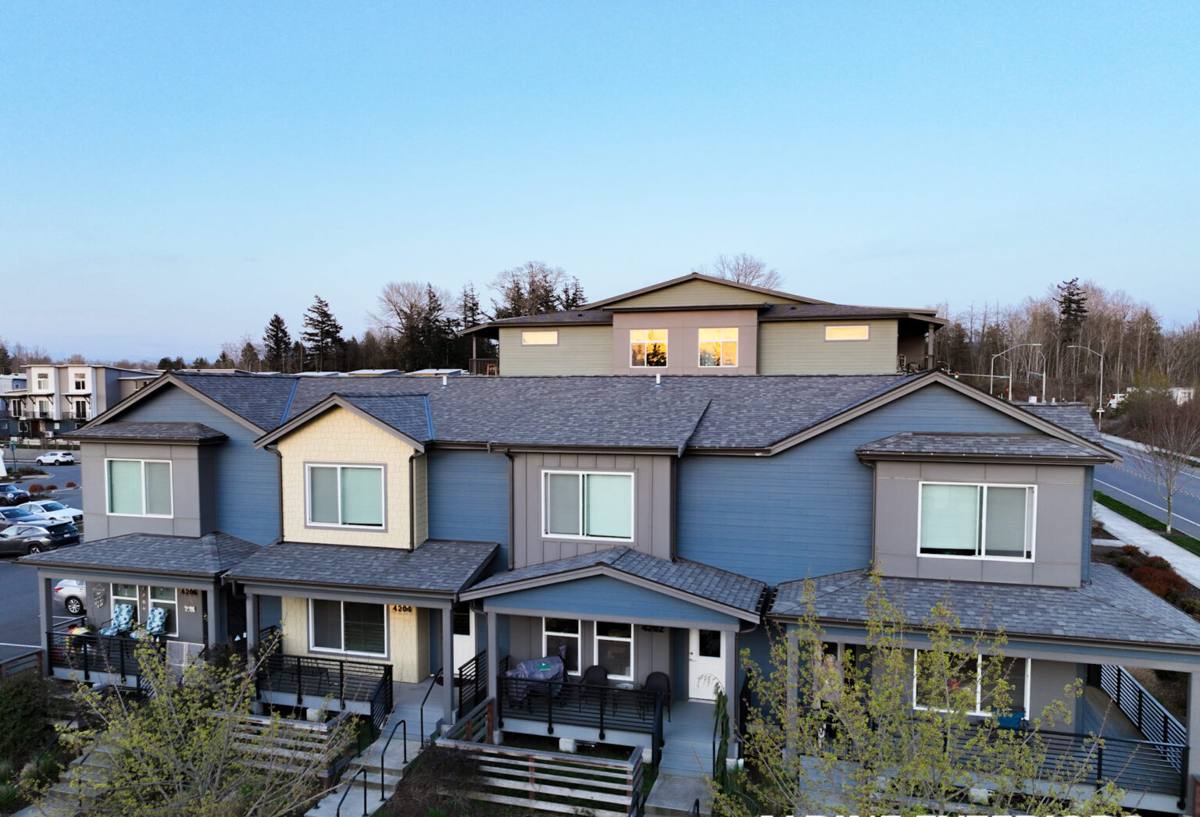
What James Hardie Actually Is — and Why We Only Install It
The Material
James Hardie siding is fiber cement: a mix of Portland cement, sand, and cellulose fiber, cured into a dense, dimensionally stable board. It doesn't absorb and release moisture the way wood, wood composite, or engineered wood products do, which matters enormously in a climate where the air itself carries a lot of humidity most of the year. It's also non-combustible, a meaningful difference from vinyl or wood-based sidings and something more homeowners ask about directly than they used to. It won't feed termites, and it doesn't rot the way untreated or under-maintained wood products eventually do.
Climate-Engineered Formulation
James Hardie doesn't sell one board nationwide. The company manufactures regionally engineered formulations suited to different climate zones, and the product installed in our part of Florida is built for high-humidity, high-moisture-exposure conditions rather than a dry inland climate. That's not a marketing distinction — it changes how the board is formulated to handle sustained moisture exposure and the wet-dry cycling that a Gulf Coast climate puts a wall through year after year.
ColorPlus Factory Finish
Most of what a homeowner actually sees and lives with — the color — comes from ColorPlus Technology, a finish baked onto the board in a controlled factory environment through multiple coats, rather than sprayed or rolled on-site after installation. That matters here specifically because field-applied paint has to fight intense, nearly year-round UV and high humidity to hold its color, and it depends heavily on ideal weather conditions at the moment it's applied — conditions that are genuinely hard to guarantee on a real jobsite in Pinellas County. A factory-cured finish sidesteps most of that variability and holds its color and adhesion longer under this kind of sun exposure.
Between the substrate engineering, the factory finish, and a strong transferable warranty behind both, this is the combination that led us to standardize on James Hardie rather than installing several competing brands. We're not saying every other fiber cement or siding product is unusable — we're saying that after years of installs and repairs in this exact climate, this is the standard we hold every job to.
Matching the Right Hardie Product to a Clearwater-Area Home
"James Hardie siding" isn't one single product — it's a family of profiles, and picking the right one depends on the home's architecture, the neighborhood's general style, and where on the house it's being used.
| Product | Look | Common Use |
|---|---|---|
| HardiePlank lap siding | Traditional horizontal reveal, the most common siding profile in this area | Full-home siding on most traditional and ranch-style homes |
| HardiePanel vertical siding | Clean vertical lines, often paired with battens for a board-and-batten look | Gables, accent walls, farmhouse and modern-style exteriors |
| HardieShingle siding | Staggered or straight-edge shingle profile with deep shadow lines | Accent gables, dormers, coastal-cottage style homes |
| HardieTrim boards | Smooth trim stock for corners, fascia, and window and door surrounds | Used alongside any of the above to finish edges and transitions |
Most Clearwater-area projects we do are HardiePlank on the main walls, sometimes with a HardiePanel or HardieShingle accent on a gable or entry feature. The right mix comes down to what the home's architecture is actually asking for, which is part of what we walk through on-site during an estimate rather than over the phone.
What a Correct Installation Actually Involves
Good material installed badly still fails. In a climate that pushes wind-driven rain sideways and puts real wind load on every fastener during storm season, installation detail matters as much as the board itself. A correct James Hardie install includes several steps that are easy to shortcut and hard to notice from the ground once the job is finished:
Tear-Off and Substrate Prep
Old siding comes off down to the sheathing so we can actually see what's underneath — soft or water-damaged sheathing, compromised framing, or old flashing that's failed needs to be addressed before a single new board goes up. Covering a hidden moisture problem with new siding just hides it for a few more years.
Weather-Resistant Barrier and Flashing
A properly lapped and sealed weather-resistant barrier goes on before any siding, not just house wrap stapled up and left as-is. Flashing gets installed at every horizontal transition — window heads, roof-to-wall intersections, doors, and any point where water is going to want to find its way behind the cladding during a wind-driven rain event.
Fastening for Wind Load
James Hardie publishes specific fastening patterns — nail type, spacing, and penetration depth — and those specs exist for a reason in a wind-loaded climate. Correct fastening is what keeps siding secured through storm-season gusts instead of working loose at the edges over a few years. Correct clearance at the base of the wall matters too, keeping the bottom of the siding above grade and away from standing water or irrigation spray.
None of this is exotic. It's the difference between an installation that holds up through repeated storm seasons and one that starts showing problems — cracked caulk lines, water staining, boards working loose — within a few years, regardless of how good the material itself is.
How Our Process Works
Every project starts with an on-site walkthrough, not a phone quote. We look at the existing siding, check for underlying moisture or framing issues, measure the home, and talk through which Hardie products and colors make sense for the architecture. From there:
- We put together a written estimate that spells out scope, product lines, and a realistic cost range — no vague allowances
- We pull the required permit before work starts; siding replacement in Pinellas County requires a permit, and skipping that step is a red flag, not a shortcut worth taking
- We schedule around weather rather than pushing through a system that would compromise the install
- Tear-off, prep, and inspection of the sheathing happens before new material goes up
- Installation follows James Hardie's published fastening, flashing, and clearance specifications
- A final walkthrough covers the finished work directly with the homeowner before we consider the job done
We don't rush this process to hit a faster close. A siding job done right on a Clearwater-area home should be the last full re-side that house needs for a long time, and that outcome depends on getting the sequence above right, not on how fast a crew can move through it.
What Drives Cost on a Hardie Project in This Area
Every home is different, and we won't put a number on a project without seeing it, but the factors that actually move the price on a Clearwater-area Hardie job are consistent:
| Factor | Why It Matters |
|---|---|
| Home size and wall complexity | More square footage and more corners, gables, and dormers mean more cutting, fitting, and trim work |
| Tear-off vs. new construction | Removing and disposing of old siding, and repairing any sheathing found underneath, adds labor a fresh install doesn't have |
| Product mix | A full HardiePlank exterior prices differently than one with HardiePanel or HardieShingle accents mixed in |
| Trim and detail work | Window surrounds, fascia, soffit, and corner trim add material and labor beyond the flat wall square footage |
| Color and finish | Standard ColorPlus colors are typically more cost-effective than custom field-painted or specialty finishes |
| Site access and stories | Two-story walls, tight side yards, and landscaping that must be protected or worked around all affect labor time |
We'd rather walk a homeowner through these factors honestly during the estimate than quote a number over the phone that won't hold up once we're actually looking at the walls.
Living With Hardie Siding: What Maintenance Actually Looks Like
One of the practical advantages of a correctly installed Hardie exterior in this climate is what it doesn't demand from a homeowner year to year. It isn't a maintenance-free product — nothing exposed to Florida weather is — but the upkeep is realistic rather than constant:
- An occasional rinse to clear salt residue, pollen, and general grime, especially on walls that catch onshore wind
- A visual check after major storms for loose trim, shifted flashing, or any impact damage
- Keeping irrigation and sprinkler heads from spraying directly onto the base of the wall
- Recaulking only where a joint is designed to be caulked, not as a substitute for proper flashing elsewhere
- Touch-up paint only where physical damage occurs, not as a routine, scheduled task the way it would be with field-painted wood siding
Compared to the repaint-and-recaulk cycle that wood and many engineered wood products require in this climate, that's a meaningfully lighter maintenance load, and it's a big part of why the total cost of ownership on a Hardie exterior tends to look better over a decade or two than the upfront number alone suggests.
Why Hiring a Crew That Already Works This Area Matters
Contractors who don't regularly work the Tampa Bay area sometimes install correctly for a milder climate and get caught out by details that matter specifically here — fastening patterns rated for actual local wind exposure, flashing details that account for wind-driven rain rather than just vertical rainfall, or permitting requirements that differ from a jurisdiction they're used to working in. A crew that already works Clearwater and Oldsmar-area homes has already run into the local building department's specific requirements, knows what inspectors here are looking for, and isn't learning the region's wind and moisture demands on your house for the first time.
There's also a practical insurance angle worth knowing about. Florida's wind mitigation inspection process can affect a homeowner's insurance premium, and how an exterior is installed and documented can factor into that broader picture. We won't promise a specific insurance outcome — that's between the homeowner and their carrier — but we install to code and keep documentation of the work, which puts a homeowner in a better position when that conversation comes up.
A Few Things Worth Checking Before You Hire Anyone
- Confirm the contractor is licensed and insured to work in Florida, and ask to see current proof, not just a claim
- Ask whether they pull permits themselves or expect the homeowner to handle it — permitting should never be skipped
- Ask how many James Hardie installations they've completed in Pinellas County specifically, not just generally
- Ask what fastening and flashing specifications they follow, and whether they can point to James Hardie's published installation guidelines
- Get the estimate in writing with product lines, colors, and scope spelled out, not a verbal ballpark
- Ask what happens if hidden sheathing damage is found once old siding comes off, and how that gets communicated and priced
If you're weighing a full re-side or a targeted repair on a Clearwater-area home near Oldsmar, we're happy to walk the property, look at what's actually going on with the existing siding, and put together a free, no-pressure estimate.