 Oldsmar Siding
 Roofing in Eastlake Woodlands: What the Climate Actually Demands
Oldsmar sits in Pinellas County close enough to Tampa Bay that homes here take the full brunt of what Gulf Coast weather has to offer. Hurricane-force wind gusts during storm season, intense UV exposure nearly every day of the year, wind-driven rain that finds its way into any gap in a roof system, and a steady presence of salt air off the bay — all of it works on a roof at the same time, year after year. Eastlake Woodlands is an established, tree-lined community with a mix of home ages and roof styles, and many of those roofs are now old enough that the materials and installation methods used decades ago simply aren't built for what this climate throws at them today.
A new roof here isn't just a covering that sheds rain. It's an engineered system — decking, underlayment, flashing, fasteners, and the finish material — that has to work together to survive wind uplift, resist UV breakdown, and shrug off salt-laden moisture without corroding or degrading early. Getting any one piece of that system wrong shortens the life of the whole roof, no matter how good the shingles or tiles on top look.
What a Correct Roof Installation Actually Involves
"New roof" can mean a lot of different things depending on who's doing the work. A correct installation isn't just stripping the old material and nailing down new shingles — it's a sequence of steps where skipping or rushing any one of them creates a weak point that shows up as a leak or blow-off later.
Tear-Off and Deck Inspection
We don't recommend installing a new roof over an old one. A full tear-off is the only way to actually see the roof deck — the plywood or OSB sheathing underneath everything else. Years of small leaks, condensation, or just age can leave sections of decking soft, delaminated, or rotted, and that damage is invisible from above. Any bad sheathing gets replaced before a single shingle or tile goes down. Skipping this step is one of the most common reasons a "new" roof fails early, because fasteners driven into weak or rotted wood won't hold under wind load no matter what's on top.
Underlayment, Flashing, and Sealing Details
The underlayment is the roof's backup plan — the layer that keeps water out if wind-driven rain gets past the shingles or tile, which happens more often than most homeowners realize during a strong storm. In this climate, a self-adhering, waterproof membrane at eaves, valleys, and around every roof penetration (vent pipes, chimneys, skylights) isn't optional; it's the difference between a nuisance leak and real interior damage during a heavy rain event.
Flashing is just as important and gets far less attention. Most roof leaks don't start in the open field of the roof — they start where the roof meets a wall, chimney, skylight, or valley. Properly formed and sealed flashing at every one of those transitions matters more to a leak-free roof than almost anything else in the job.
Choosing a Roofing Material for an Eastlake Woodlands Home
There's no single "best" roofing material for every home in the neighborhood — the right choice depends on your home's structure, your budget, and how much long-term maintenance you're willing to take on. Here's an honest comparison of the options we install most often in this area:
| Material | Wind Resistance | Heat & UV Performance | Salt Air Tolerance | Typical Lifespan |
|---|---|---|---|---|
| Architectural Asphalt Shingle | Good, with proper nailing and rated products | Reflective/cool-roof options available | Good with quality fasteners and flashing | 20–30 years |
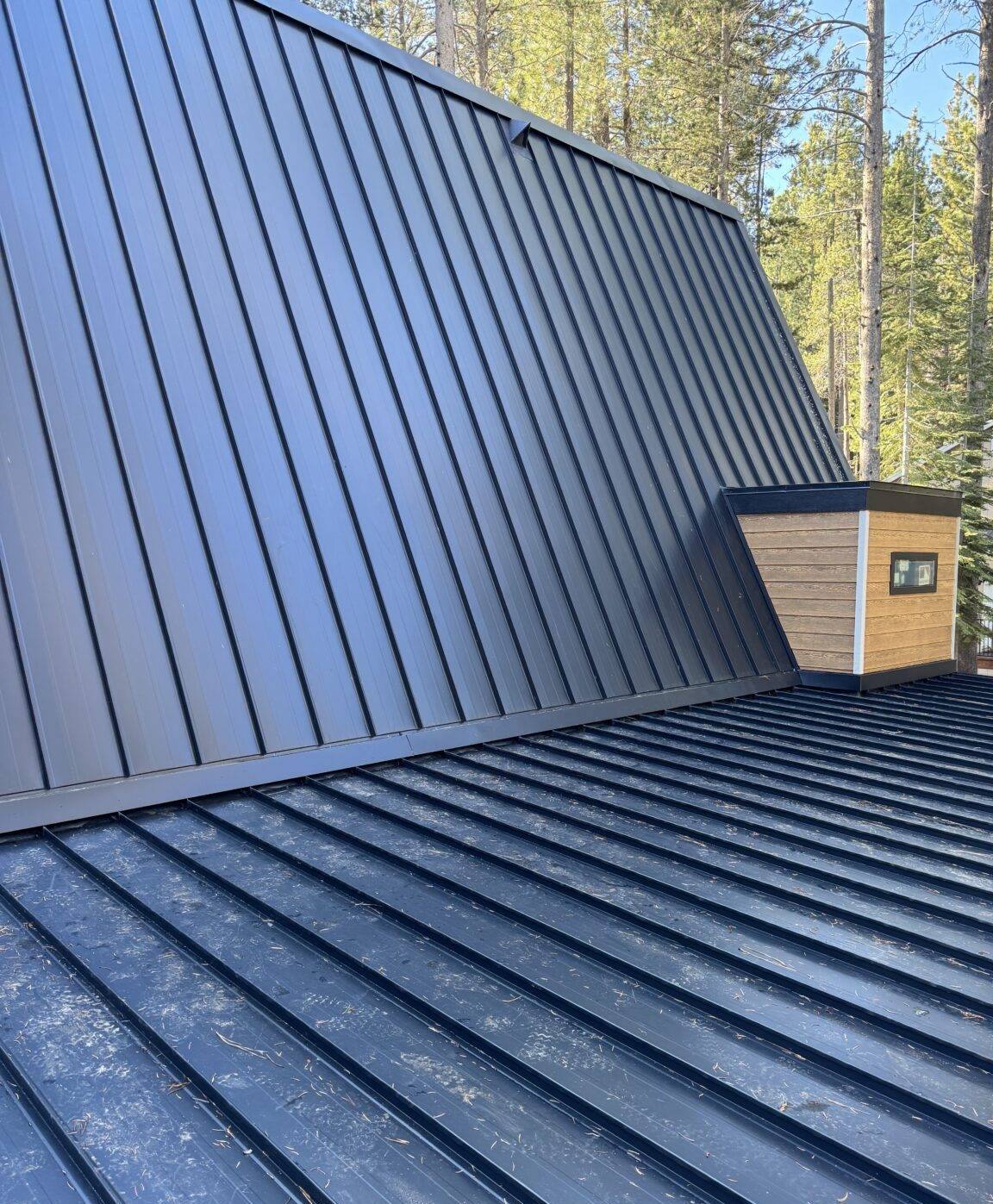
| Standing Seam Metal | Excellent, among the highest wind ratings available | Very good; reflects heat, doesn't degrade from UV like organic materials | Requires coastal-grade fasteners and coatings to avoid corrosion | 40–50+ years |
| Concrete or Clay Tile | Very good when properly fastened; heavy material resists uplift | Excellent; naturally reflective and slow to transfer heat | Very good; the tile itself doesn't corrode, though underlayment beneath it still ages | 40–50+ years (underlayment usually needs replacement sooner) |
Asphalt shingle remains the most common and most budget-friendly choice for homes in this neighborhood, and modern architectural shingles rated for high wind speeds perform well when installed correctly. Metal and tile cost more upfront but ask less of you in maintenance and hold up longer against sun and salt exposure. We'll walk you through the real trade-offs for your specific roof rather than pushing whatever's most profitable for us to install.
Wind Ratings, Building Code, and Permits in Oldsmar
Florida's building code sets wind-uplift and installation standards specifically because of the storm risk along the Gulf Coast, and Pinellas County enforces those standards through the local permitting process. A legitimate new roof installation in Oldsmar requires a permit, code-compliant materials rated for the applicable wind speed, and inspections before the job is considered complete — not a handshake and a truck full of shingles.
Two things matter most from a code standpoint on a re-roof: the fastening schedule (how many nails, where, and what type, based on your home's wind exposure) and the secondary water barrier requirement, which is why proper underlayment isn't optional here the way it might be in a drier, calmer climate. A contractor who treats these as boxes to check rather than real protections for your home is cutting corners you won't be able to see once the roof is finished.
Our Installation Process, Start to Finish
Every roof is a little different, but the sequence of a correct installation looks like this:
- On-site inspection of the existing roof, decking access points, and any problem areas, followed by a written estimate
- Material selection based on your home's structure, budget, and long-term maintenance preference
- Permit pulled with Pinellas County/City of Oldsmar before any work begins
- Full tear-off of the old roofing material and inspection of the deck
- Replacement of any damaged or rotted decking before moving forward
- Installation of underlayment, including self-adhering membrane at eaves, valleys, and penetrations
- Flashing installed or replaced at all walls, chimneys, skylights, and valleys
- New roofing material installed to manufacturer specifications and the applicable wind-rating requirements
- Final walk-through, cleanup, and magnetic sweep of the property for stray nails
- Final inspection scheduled and documentation provided for your records and warranty
Why a Crew That Already Works Eastlake Woodlands Matters
Roofing crews who regularly work in this specific neighborhood pick up on things that outside contractors miss. That includes the common roof pitches and framing styles used across the community, realistic expectations for how long a permit and inspection cycle takes with Pinellas County versus other jurisdictions, and an understanding of what to look for on homes of a similar age and construction that tend to have shared trouble spots — around chimneys, low-slope sections, or original flashing details that were common when the neighborhood was built.
If your property is subject to HOA architectural guidelines, a contractor familiar with the area is also more likely to know what documentation or approval process to expect before work starts, which avoids delays that catch homeowners off guard. None of that replaces a proper inspection of your specific roof, but it does mean fewer surprises and a smoother process from estimate to final inspection.
Protecting Your New Roof After Installation
A correctly installed roof still needs some ongoing attention in this climate to reach its full lifespan. Salt air accelerates corrosion on exposed metal fasteners, flashing, and vent stacks faster than it would inland, so it's worth having those checked periodically rather than assuming they'll last as long as the shingles or tile above them. Gutters should be kept clear so wind-driven rain has somewhere to go instead of backing up under the roof edge, and attic ventilation should be checked occasionally — poor airflow traps heat and moisture that shorten a roof's life from underneath, regardless of how good the materials on top are.
After any major storm, a quick visual check from the ground for missing or lifted shingles, damaged flashing, or debris buildup in valleys is a good habit. Catching a small issue early is almost always cheaper and simpler than dealing with interior water damage later.
If your roof in Eastlake Woodlands is showing its age or you just want an honest opinion on where it stands, we're happy to take a look. The estimate is free, there's no pressure, and you'll get a straight answer about what your roof actually needs — use the form below to get started.