 Oldsmar Siding
 Siding Built for the Westchase Area's Weather, Not Just Its Curb Appeal
Homes in the Westchase area near Oldsmar sit in one of the more demanding climates in the country for exterior building materials. It's not one single threat — it's the combination. Hurricane-force wind events test how siding is fastened down. Long stretches of intense UV bake color and finish year-round. Wind-driven rain drives moisture sideways into seams and laps that would stay dry in a milder climate. And because this is coastal Florida, salt-laden air is a constant, low-grade corrosive presence even for homes that aren't waterfront. Siding installation here isn't just a cosmetic upgrade — it's a decision about how well your home's exterior envelope will hold up to all four of those stressors at once, year after year.
A lot of siding problems we get called out to inspect aren't failures of the material itself — they're failures of installation choices that didn't account for this climate. Panels that look fine from the curb but were hung with the wrong fasteners, insufficient clearance at grade, or gaps at trim that let wind-driven rain behind the cladding. Getting siding installation right in this part of Pinellas County means respecting the climate at every step, not just at the finished look.
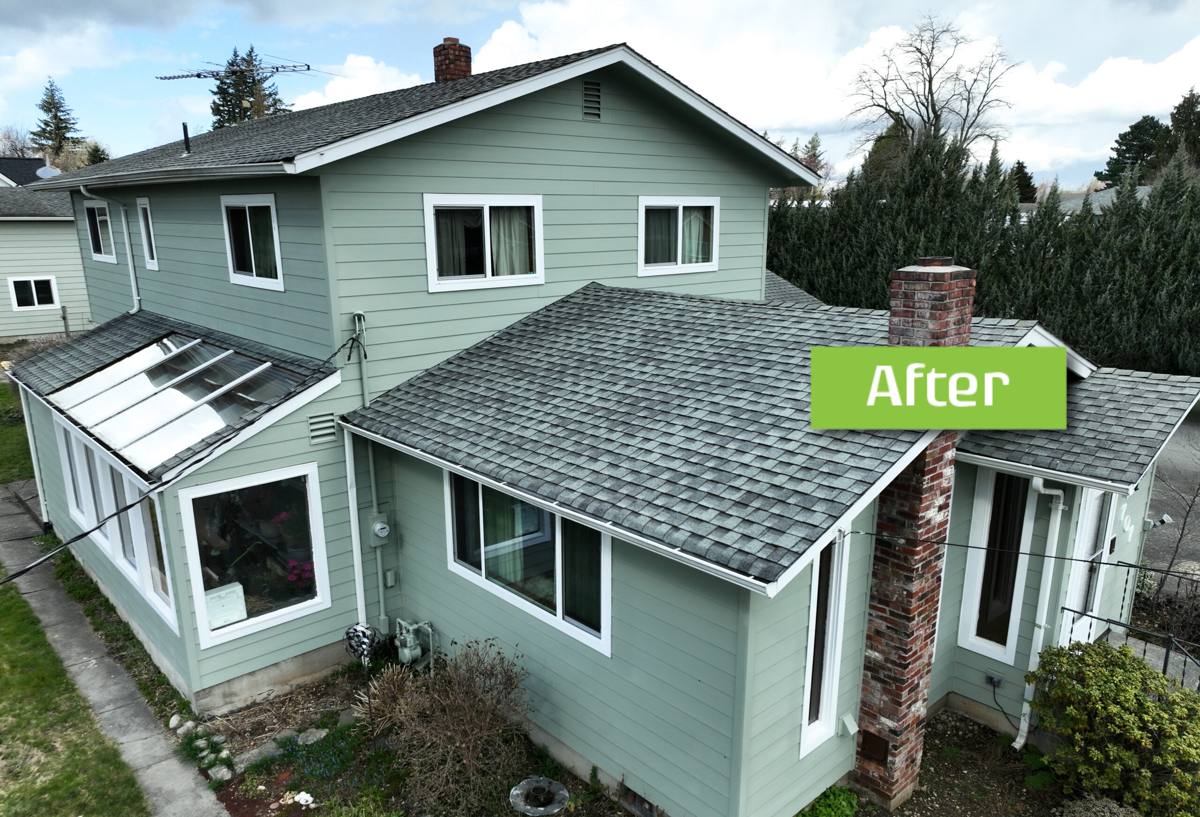
What Local Homes Actually Need From Their Siding
Wind Resistance That's Engineered, Not Assumed
Florida's building code requirements for wind-borne debris and uplift resistance aren't uniform across every siding product — they vary by how the material is engineered and how it's fastened. Siding needs to be rated and installed to hold up under sustained high wind loads without panels lifting, cracking at fastener points, or peeling away at edges and corners, which are the highest-stress zones on any elevation.
UV Stability Over Decades, Not Just the First Few Years
Central Florida sun is intense and constant. Paint-grade siding products that aren't engineered for UV exposure will fade, chalk, or need repainting on a cycle far shorter than homeowners expect. The right siding choice holds its color and finish under sun exposure that would visibly degrade lesser products within a handful of years.
Moisture Management, Not Just Moisture Resistance
Wind-driven rain in this region doesn't just fall — it gets pushed sideways and upward into laps, seams, and penetrations. Siding installation needs a drainage plane and flashing details that assume water will reach the wall assembly and give it a way out, rather than relying on the face of the siding alone to keep water out.
Corrosion Resistance for Fasteners and Trim
Salt air accelerates corrosion of standard fasteners, trim accessories, and any exposed metal components. Over time, corroding fasteners loosen their grip on siding panels, which is exactly the failure mode you don't want discovered during a wind event.
Why We Install Only James Hardie Fiber Cement
We made a deliberate decision to install one product system — James Hardie fiber cement siding — and nothing else. Not vinyl, not LP SmartSide, not Cemplank or Allura, not primed wood. That's not a marketing position; it's a standard we hold because of what this climate does to exterior materials over time.
Vinyl siding is affordable and easy to install, and for a lot of the country it performs fine. But in sustained high heat it can warp or distort, and in high wind events it's more prone to cracking and blow-off than fiber cement, especially at panel edges and corners. It's also a combustible plastic product, which matters to some homeowners weighing long-term risk.
Wood-based and wood-adjacent products — primed spruce, cedar, and OSB-based engineered wood siding — carry an inherent vulnerability to moisture. Wind-driven rain and high humidity are exactly the conditions that cause swelling, delamination, and rot at butt joints and cut edges if the coating or sealing is ever compromised, which happens over time as caulk ages and finishes wear. Maintenance intervals for these products are shorter, and the consequences of skipping maintenance are more serious than with fiber cement.
Other fiber cement brands exist, and fiber cement as a category is the right call for this climate. Where we draw the line is on the specific product system: James Hardie's HZ5 product line is engineered specifically for high-humidity, high-moisture climate zones like ours, its ColorPlus factory-applied finish is baked on and warrantied against fading in a way field-applied paint isn't, and the company backs installations with a strong transferable limited warranty when installed to its specifications. That combination — climate-specific engineering, factory finish durability, and warranty backing — is why we standardized on it and don't install alternatives.
Comparing the Options Homeowners Consider
| Material | Wind performance | UV/color stability | Moisture behavior | Maintenance burden |
|---|---|---|---|---|
| Vinyl siding | More prone to cracking/blow-off in high wind | Can fade and become brittle under intense UV | Sheds water on the surface; poor moisture tolerance if breached | Low, but limited repair options once damaged |
| LP SmartSide / engineered wood | Moderate; dependent on fastening and edge sealing | Requires field-applied paint upkeep | Vulnerable to swelling/delamination if moisture penetrates | Regular caulk and paint maintenance required |
| Primed spruce/cedar | Moderate; natural material with real limitations | Fades and weathers without diligent refinishing | Susceptible to rot at joints and end cuts | Highest — repainting/sealing on a short cycle |
| James Hardie fiber cement (HZ5) | Engineered and code-rated for high-wind regions | Factory ColorPlus finish resists fading | Non-combustible, dimensionally stable, engineered for humid climates | Low — no repainting cycle when finish is intact |
What a Correct Installation Actually Involves
The siding product is only part of the equation. A correct installation in a climate like this depends on details that aren't visible once the job is finished, but determine whether it performs for decades or fails early.
- Substrate inspection and repair — checking the wall sheathing underneath old siding for rot, moisture damage, or structural issues before anything new goes up.
- Weather-resistive barrier installation — a correctly lapped and sealed drainage plane behind the siding, so any moisture that gets past the cladding has a path down and out.
- Flashing at every penetration and transition — windows, doors, roof-to-wall intersections, and any wall penetration need proper flashing, not just caulk, to shed wind-driven rain.
- Correct fastener selection and placement — corrosion-resistant fasteners, driven at the manufacturer-specified locations and depth, not overdriven or underdriven.
- Manufacturer-specified clearances — proper gaps at grade, roof lines, and butt joints so siding isn't sitting in standing water or trapping moisture.
- Joint and seam treatment — using the manufacturer's specified caulk and joint details rather than generic sealant that won't hold up to UV and movement over time.
- Trim and accessory integration — matching trim, corner boards, and accessories that are rated for the same climate exposure as the field siding.
Skipping or shortcutting any one of these steps is how siding that looks correctly installed on day one ends up with moisture intrusion, fastener failure, or wind damage within a few years — long before the material itself would have failed.
Our Process for Westchase-Area Siding Installation
Because we work regularly in the Westchase area and elsewhere around Oldsmar and Pinellas County, our process is built around the realities of this specific climate rather than a generic national playbook.
1. On-Site Assessment
We start with a walk-around of the home's exterior, checking existing siding condition, substrate health where accessible, and any trouble spots — areas with prior water intrusion, sun-exposed elevations, or wind-exposed corners.
2. Product and Line Selection
We help homeowners choose the right James Hardie product line and profile for their home's style and exposure, explaining the HZ5 climate engineering and ColorPlus finish options in plain terms.
3. Written Scope and Estimate
Homeowners get a clear, written scope of what's included — tear-off, substrate repair if needed, weather barrier, flashing details, siding, trim, and cleanup — so there's no ambiguity about what "installation" covers.
4. Installation to Manufacturer Specification
Every install follows James Hardie's published installation instructions for our climate zone, not shortcuts. That's what keeps the manufacturer's warranty intact and keeps the siding performing as engineered.
5. Final Walkthrough
We walk the finished job with the homeowner, checking fastener lines, joints, trim, and finish before calling it complete.
Why Hiring a Crew That Already Works This Area Matters
Siding installation isn't a one-size-fits-all trade. A crew that regularly works the Westchase area and greater Oldsmar market has already seen how these specific conditions — sustained coastal humidity, seasonal tropical storm and hurricane exposure, and intense sun — play out on real homes over time. That translates into practical judgment calls on site: where to add extra flashing attention, which elevations need closer attention to UV exposure, and how to sequence work around Florida's rainy season so substrate isn't left exposed longer than necessary.
It also matters for accountability. A contractor with an established local presence has a reputation in the area to protect and is easier to reach if a warranty question comes up years down the road — which matters more with an exterior product meant to last decades.
Signs Your Current Siding May Be Reaching the End of Its Service Life
- Visible cracking, buckling, or warping on any elevation, especially wind-exposed corners
- Soft spots or a "spongy" feel when pressing on siding or trim near the bottom edge
- Peeling, chalking, or significant color fade, particularly on south- and west-facing walls
- Visible gaps opening up at seams, joints, or trim intersections
- Staining or discoloration that suggests moisture is tracking behind the siding
- Rising energy bills that may point to a compromised exterior envelope
None of these are emergencies on their own, but taken together they're a signal that it's worth having the exterior assessed before a storm season finds the weak point for you.
Planning a Siding Project Around Florida's Storm Season
Timing matters more here than in most parts of the country. Scheduling siding replacement or major repair work with an eye toward the tropical storm season — rather than mid-storm-season when substrate might be exposed for an extended stretch — reduces risk and helps keep a project moving efficiently from tear-off to finished, sealed exterior. It's a conversation worth having early when planning a project timeline.
If you're weighing a siding project for a home in the Westchase area or elsewhere near Oldsmar, we're glad to walk the exterior with you and talk through what your home actually needs. Reach out using the form below for a free, no-pressure estimate.