 Oldsmar Siding
 Composite Decking Built for the Town 'N Country Area
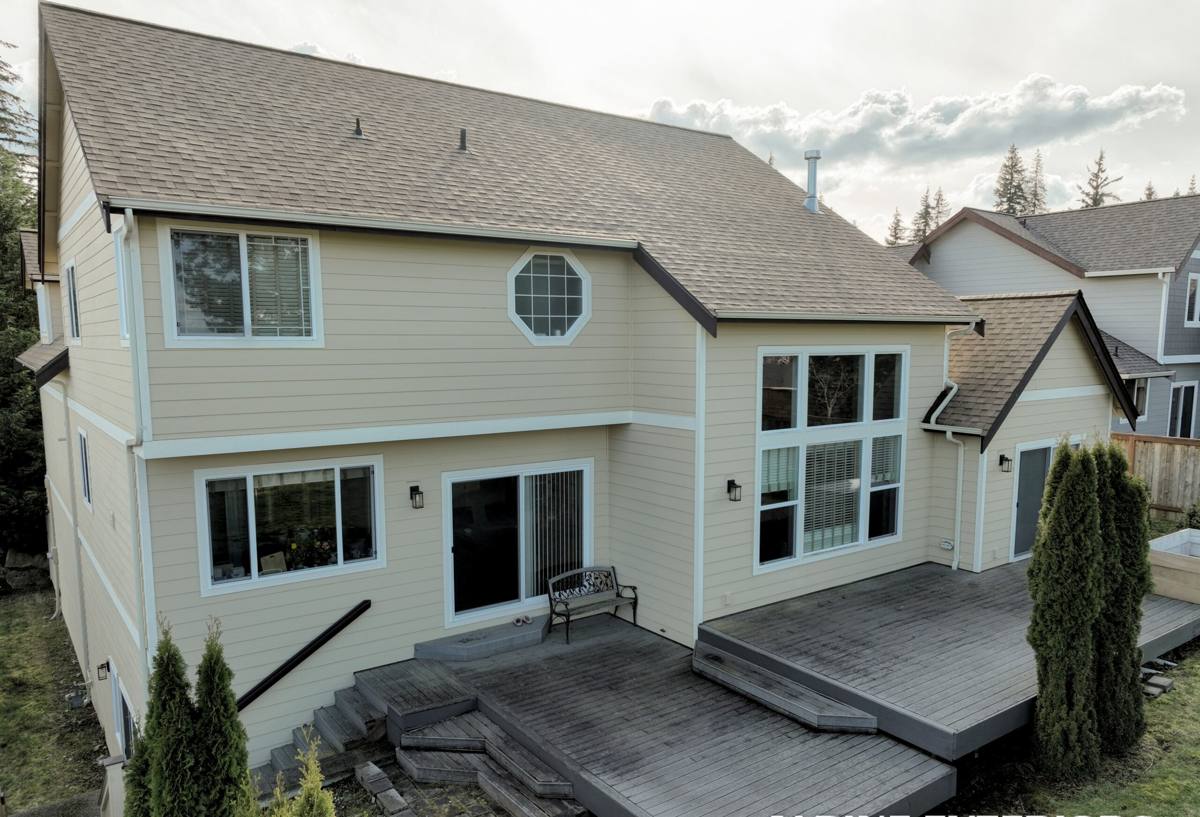
Homes in the Town 'N Country area near Oldsmar sit in a part of Florida where the outdoors is part of daily life almost year-round — which is exactly why a deck here works harder than a deck almost anywhere else in the country. Between intense UV exposure, sudden wind-driven downpours, and the salt-laden air that drifts inland off the Gulf, an outdoor deck in this region is under constant low-grade attack. Composite decking, installed correctly, is one of the few decking materials that holds up to that combination without turning into a maintenance chore. This page covers what local homes actually need from a composite deck, what a correct installation looks like, and how our process works for homeowners in this specific area.
What Florida Weather Actually Does to a Deck
UV and Heat
Pinellas County sees some of the highest annual UV index readings in the continental United States. On a wood deck, that UV load bleaches color and breaks down wood fibers at the surface, which is why untreated or under-maintained wood decks gray and go fuzzy within a couple of seasons. Composite decking is engineered with UV inhibitors mixed into the material itself, not just applied as a surface coating, so the color resistance goes deeper than a stain job ever could.
Wind-Driven Rain
Summer storms here don't just drop rain straight down — they push it sideways, driving water into every seam, fastener hole, and joint on an exposed structure. That matters more for the framing underneath a deck than for the decking boards themselves. Water that gets trapped against joists, ledger boards, or post bases without a way to drain and dry is where rot and hardware corrosion actually start, regardless of what the walking surface is made of.
Salt Air
Even well inland from the immediate coastline, the Tampa Bay region carries enough salt in the air to accelerate corrosion on unprotected metal. Cheap or mismatched fasteners are usually the first thing to fail on a deck in this climate — long before the boards do. This is a hardware and detailing problem as much as a decking-material problem, and it's one of the most common shortcuts we see on decks that were built or repaired by crews unfamiliar with this specific environment.
Composite vs. Wood vs. PVC — What Actually Fits This Climate
There's no single "best" decking material for every homeowner or every budget, but for this climate the trade-offs are pretty clear-cut. Here's how the three most common options stack up for a Town 'N Country area install:
| Material | UV & Fade Resistance | Moisture Behavior | Maintenance | Typical Lifespan Here |
|---|---|---|---|---|
| Pressure-treated wood | Fades and grays within 1-2 seasons without upkeep | Absorbs moisture, prone to warping and rot in wind-driven rain | Annual sealing/staining recommended | 10-15 years with diligent upkeep |
| Composite decking | Built-in UV protection, holds color much longer | Moisture-resistant core, doesn't absorb and swell like wood | Occasional washing, no sealing or staining | 25-30+ years (manufacturer-dependent) |
| Solid PVC | Excellent, but can run hotter underfoot in direct sun | Fully moisture-resistant | Low, similar to composite | 25-30+ years |
Composite lands in the sweet spot for most homeowners here: it handles moisture and UV far better than wood without the higher price point and underfoot heat that comes with solid PVC. The right choice still depends on your budget, how much direct afternoon sun the deck gets, and what look you're going for — that's a conversation worth having on-site, not a rule that applies to every yard.
What a Correct Composite Deck Installation Actually Involves
The decking boards get all the attention, but they're the last thing that goes into a deck, not the most important part. Most deck failures we get called out to inspect in this region trace back to the structure underneath, not the surface material.
Substructure and Framing
Joists and beams need to be sized correctly for the span and rated for ground contact where applicable. In a humid, storm-prone climate, we don't cut corners on joist spacing or beam sizing just to save a few boards — undersized framing is what leads to bounce, sag, and eventual structural problems long before the composite surface shows any wear.
Fasteners and Hardware
Given the salt air in this region, hardware matters as much as the decking material. Stainless steel or coated fasteners rated for coastal-adjacent environments cost more upfront than standard hardware, but they're the difference between a deck that stays tight for decades and one that develops rust streaks and loose boards within a few years.
Ventilation and Drainage
A deck built low to the ground or over poorly draining soil needs attention to airflow underneath and positive drainage away from the house. Trapped moisture under a deck — especially after the kind of sudden downpours this area gets — is a slow-motion problem that shows up as rot, mold, or pest issues months or years later if it isn't addressed at the framing stage.
Ledger Board Attachment
For decks attached to the house, the ledger board connection is one of the most safety-critical details on the whole project. It needs proper flashing to keep wind-driven rain from getting behind it and into the house structure, and it needs to be fastened to code — not just to the siding or trim.
Our Process for Town 'N Country Area Projects
1. On-Site Assessment
We walk the yard, look at drainage patterns, sun exposure, existing structure (if there's a deck to replace), and how the space connects to the house. This is also where we talk through material options and realistic budget ranges based on size and complexity.
2. Design and Material Selection
We help you pick a composite board profile, color, and railing system that fits the house and holds up to local conditions — including which boards handle direct sun exposure best if your deck doesn't have much shade.
3. Permitting
Deck construction in this area typically requires a building permit, and attached decks often need engineering sign-off depending on size and height. We handle the permitting process rather than leaving it on the homeowner to sort out.
4. Build and Inspection
Framing goes in first and gets inspected before decking boards go down. We don't skip or rush this step — it's the part of the job that determines whether the deck is still solid in fifteen years.
Local Code and Permitting Considerations
Building codes in the Oldsmar area and surrounding Pinellas County jurisdictions account for the region's wind exposure, which affects things like railing attachment, footing depth, and structural connections for attached decks. A crew that pulls permits regularly in this area knows what the local building department expects to see on plans and during inspection, which avoids the delays that come from a permit getting kicked back over a detail an out-of-area contractor didn't anticipate.
Maintenance: What Composite Actually Needs (and Doesn't)
One of the main reasons homeowners switch to composite is the reduced maintenance burden compared to wood — but "low-maintenance" doesn't mean "no-maintenance." Here's what actually keeps a composite deck looking and performing well in this climate:
- Rinse or wash the surface periodically to remove pollen, dust, and salt residue before it builds up
- Sweep off leaves and organic debris promptly, especially in shaded areas where mold and mildew can develop
- Check railing posts and stair connections once or twice a year for looseness
- Keep gutters and downspouts near the deck clear so runoff doesn't pool against the structure
- Avoid dragging metal furniture or grills that can scratch the board surface
- Inspect fastener heads periodically for corrosion, particularly on older or lower-grade hardware
What you won't need to do: sand, stain, seal, or repaint. That's the trade-off composite is built around, and in a climate that's hard on painted or sealed wood surfaces, it's a meaningful one.
Why a Crew That Already Works This Area Matters
A deck built to a generic national spec doesn't always hold up the way it should here. Framing details, fastener grade, drainage planning, and permit expectations all shift based on regional wind exposure and climate — and a crew that regularly works in and around Oldsmar and the surrounding Pinellas County communities has already worked through those details on real projects, not just on paper. That local familiarity shows up in fewer surprises during permitting, fewer callbacks for loose hardware or drainage issues down the line, and a deck that's actually built for the conditions it has to survive, not just the conditions on a spec sheet.
Get a Free, No-Pressure Estimate
If you're considering a new composite deck or replacing an aging wood deck in the Town 'N Country area near Oldsmar, we're happy to come take a look, walk the space with you, and put together a straightforward estimate — no pressure, no pushy sales pitch. Use the form below to get started.