 Oldsmar Siding
 Siding Installation for Countryside-Area Homes Near Oldsmar
Homes in the Countryside area near Oldsmar sit in one of the more demanding climate zones in the country for exterior building materials. Pinellas County properties here deal with hurricane-force wind events, months of intense subtropical UV exposure, wind-driven rain that gets pushed sideways into wall assemblies, and a steady drift of salt air off the Gulf and Tampa Bay. Any siding installed in this area has to be treated as a system that holds back water and withstands wind load, not just a decorative skin. This page covers what that means in practice for a Countryside-area home, what a correct installation actually involves, and why we install James Hardie fiber cement exclusively rather than offering a menu of cheaper alternatives.
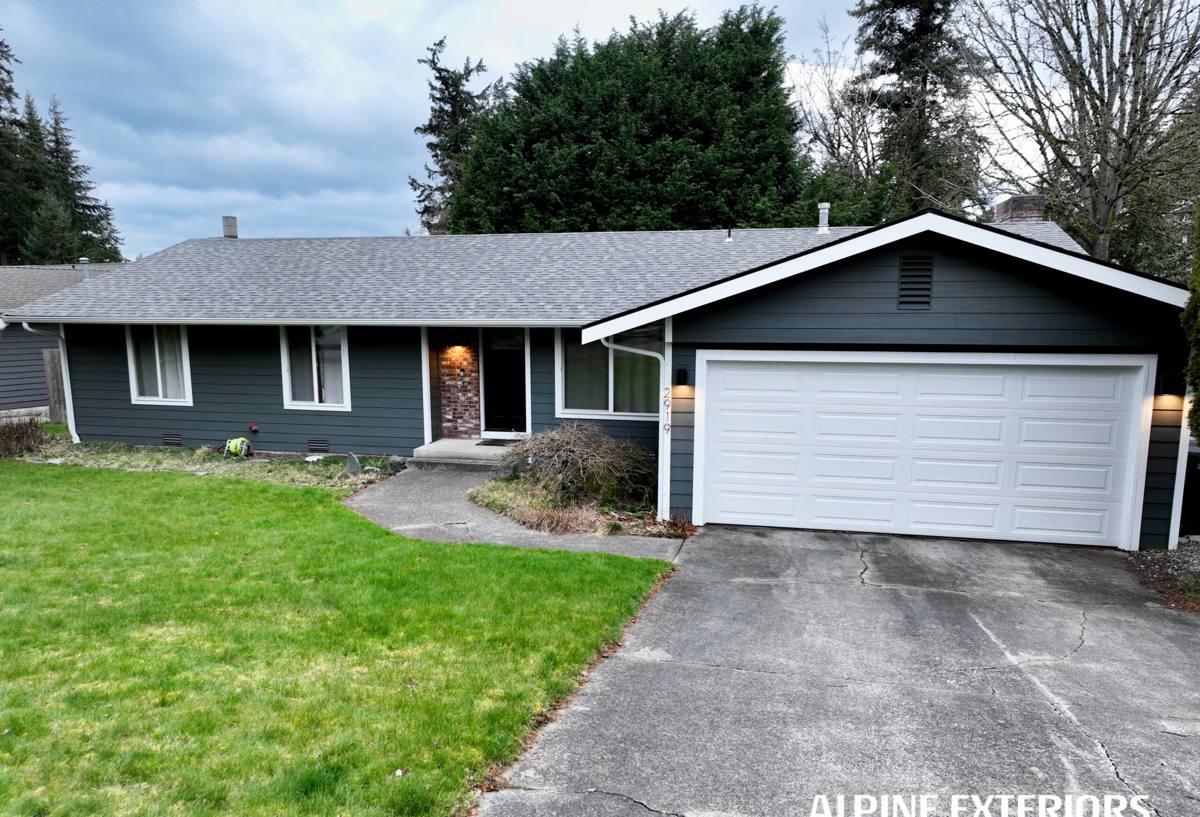
Why This Climate Is Harder on Siding Than Most
A lot of siding products are engineered and rated for a national average climate — moderate humidity, occasional storms, seasonal UV. Countryside-area homes don't get a national average climate. They get a Gulf Coast one, and the difference matters more than most homeowners realize until a product starts failing early.
Wind and Storm Pressure
Pinellas County is squarely in a hurricane-prone wind zone, and even non-hurricane storm activity here regularly produces gusts strong enough to test how well siding is fastened and how well it's rated to perform under wind load. Siding that isn't installed to the manufacturer's fastening schedule, or that's rated for a lower wind zone than it's actually installed in, is one of the first things to fail visibly in a storm — panels lifting, corners peeling back, trim separating from the wall.
UV and Heat
Florida sun is not gentle on exterior finishes. Paint and factory coatings that are rated for northern climates can chalk, fade, or break down years ahead of schedule under this level of year-round UV exposure. Homeowners in this area often see cheap or poorly finished siding go from crisp color to dull and streaky in well under a decade.
Wind-Driven Rain
Rain in this region rarely just falls straight down during a real weather event — it gets driven sideways and upward under eaves and into laps and seams. That means the water-management details behind the siding (housewrap, flashing, proper lapping) do as much work as the siding itself. A beautiful installation with sloppy water management underneath will still lead to rot and hidden damage.
Salt Air
Even set back from the immediate coastline, Countryside-area homes get regular exposure to salt-laden air carried in off the Bay and Gulf. Salt accelerates corrosion of fasteners and metal trim, and it degrades some coatings and adhesives faster than inland climates. Materials and fasteners need to be chosen with that in mind, not just whatever is cheapest at the supply house.
What a Correct Siding Installation Actually Involves
Siding installation is often talked about like it's just "putting boards on a wall." In a climate like this one, that mindset is exactly how homes end up with moisture damage behind brand-new-looking siding. A correct job is a layered system, and every layer matters.
- Tear-off and inspection: removing old siding and checking the sheathing underneath for soft spots, rot, or prior water damage before anything new goes on.
- Substrate repair: replacing any compromised sheathing or framing rather than covering it up — a common shortcut on low-bid jobs.
- Weather-resistant barrier: a properly lapped and sealed housewrap that sheds water downward and out, installed shingle-style so every seam overlaps correctly.
- Flashing details: windows, doors, and any wall penetrations get flashed so water is directed away from the structure, not funneled behind the siding.
- Correct fastening: nail or screw type, spacing, and placement matched to the manufacturer's published wind-rated fastening schedule — not a generic "close enough" pattern.
- Proper clearances: siding held off rooflines, decks, and grade by the manufacturer's minimum clearance so it isn't sitting in standing water or trapped moisture.
- Finish and trim: corners, trim boards, and caulking done in a way that sheds water rather than creating ledges where it can pool.
Skip or rush any one of these steps and the siding might still look fine on move-out day for the crew — but the problems it creates usually surface as rot, mold, or fastener failure a few years down the road, often after the workmanship warranty has expired.
Why We Install Only James Hardie Fiber Cement
We don't offer vinyl, LP SmartSide, Cemplank, Allura, or primed wood siding as options. That's a deliberate standard, not a lack of options on our end, and it's worth explaining honestly.
Vinyl siding is inexpensive and easy to install quickly, but it's a petroleum-based product that softens and can warp under sustained high heat, and it's rated for wind speeds that don't always match what this area actually experiences in a real storm. It also isn't rigid enough to hide an imperfect wall underneath the way fiber cement can.
Wood-based and wood-alternative products (including primed spruce, cedar, and engineered wood siding like LP SmartSide) perform well in drier, more moderate climates, but they're organic materials at their core — meaning sustained humidity, wind-driven rain intrusion, and the occasional installation flaw give them a real vulnerability to swelling, rot, and fungal growth in a Gulf Coast climate. They also generally require more frequent repainting to hold up under this level of UV.
Fiber cement siding brands like Cemplank and Allura are legitimate products in the same general category as James Hardie, but we standardized on James Hardie specifically for its climate-engineered HZ (HardieZone) product lines, which are formulated for high-humidity, high-moisture regions like ours; its factory-applied ColorPlus finish, which is baked on under controlled conditions rather than field-painted and holds color significantly longer under intense UV; and its transferable, long-term product warranty backed by a manufacturer with a long track record in exactly this climate. It's a non-combustible product, it doesn't rot, and it holds up to wind-driven rain and salt air better than the alternatives we'd otherwise be installing.
Standardizing on one product line also means our crews install it constantly — the fastening schedule, the flashing details, the joint treatment — instead of switching between five different manufacturers' spec sheets and making mistakes at the seams where those specs differ.
Fiber Cement vs. Other Common Siding Materials in This Climate
| Material | Wind/Storm Performance | Moisture Behavior | UV/Color Retention | Typical Maintenance |
|---|---|---|---|---|
| James Hardie fiber cement | Engineered and rated for high-wind regions | Does not rot; not organic material | Factory ColorPlus finish resists fading | Occasional wash; minimal repainting |
| Vinyl siding | Can deform or blow off in high winds | Doesn't rot, but can trap moisture behind panels | Can fade and become brittle over time | Low, but panels can crack or warp |
| Wood / engineered wood | Adequate if installed and maintained well | Vulnerable to swelling, rot in high humidity | Prone to fading, needs repainting | Highest — regular painting/sealing |
| Other fiber cement brands | Generally comparable when correctly rated | Comparable resistance to moisture | Varies by finish system | Depends on coating/warranty |
Our Installation Process
The process we follow on a Countryside-area home is the same whether it's a full reside or replacing storm-damaged sections, because the climate risks don't change based on job size.
1. On-Site Assessment
We walk the exterior, check for signs of existing moisture intrusion or sheathing damage, and evaluate details like window flashing, roofline transitions, and clearances that a generic estimate would miss.
2. Product and Profile Selection
We help homeowners choose from James Hardie's siding profiles (lap siding, board-and-batten, shake-style panels, and trim options) and ColorPlus color palette based on the home's style and any HOA guidelines that may apply in the neighborhood.
3. Tear-Off and Substrate Repair
Old siding comes off, the sheathing gets inspected, and any compromised material is replaced before a single new panel goes up.
4. Weather Barrier and Flashing
Housewrap and flashing go in first, installed to shed water downward at every lap and around every opening.
5. Installation to Manufacturer Spec
Siding is fastened per James Hardie's published wind-rated fastening schedule, with correct clearances at the roofline, decks, and grade.
6. Trim, Caulking, and Final Inspection
Trim and joints are finished to shed water rather than trap it, and we walk the completed job with the homeowner before calling it done.
Signs a Countryside-Area Home May Need New Siding
- Visible warping, buckling, or panels that have separated from the wall
- Cracking or gaps at seams and corners that let water track behind the siding
- Soft or spongy spots when pressed, which often indicate rot in the substrate
- Persistent chalking, fading, or a finish that looks worn well ahead of its expected life
- Rising energy bills that may point to a compromised weather barrier
- Visible fastener corrosion or streaking, common in salt-air exposure
- Interior signs like peeling paint or musty odor near exterior walls
What Drives Siding Installation Cost
Every home is different, but the same handful of factors drive most of the cost variation on a siding project in this area. We don't publish blanket pricing because these factors genuinely change the scope, but here's what to expect a quote to weigh.
| Factor | Why It Matters |
|---|---|
| Home size and wall complexity | More square footage and more corners, gables, and transitions mean more material and labor |
| Substrate condition | Hidden rot or damaged sheathing found during tear-off adds repair scope |
| Siding profile and finish | Lap, board-and-batten, and shake-style profiles carry different material costs |
| Trim and detail work | Window and door surrounds, corner boards, and fascia detail add labor time |
| Access and site conditions | Multi-story sections, tight lot lines, or landscaping obstacles affect labor time |
Why Hiring a Crew That Works This Area Matters
A siding crew that regularly works in and around Oldsmar and the Countryside area already knows the practical realities that a national or out-of-area contractor has to learn on your dime: the local wind and moisture demands, how HOA design guidelines tend to run in nearby communities, and which installation details actually matter given the salt air and storm exposure here. That local familiarity shows up in fewer surprises mid-project and a finished installation that's built for the climate it's actually going to sit in, not a generic one.
It also matters for warranty support. If a manufacturer warranty issue ever comes up, having a local, licensed, insured contractor who installed the job to spec — and who's still around — makes that process far smoother than chasing down a crew that worked the area once and moved on.
Checklist: Before You Sign a Siding Contract
- Ask which specific siding product and profile is being quoted, not just "fiber cement" or "siding"
- Confirm the fastening schedule and wind rating being used for the installation
- Ask how sheathing repair is handled if damage is found during tear-off
- Get the manufacturer warranty terms in writing, including whether it's transferable
- Confirm the contractor is licensed and insured in Florida
- Ask for a clear written scope covering flashing, housewrap, and trim details — not just "siding installed"
If your Countryside-area home is due for new siding, we're happy to take a look and walk you through what correct James Hardie installation would involve for your specific home — no pressure, no obligation. Use the form below to request a free estimate.