 Oldsmar Siding
 Why Windows in Countryside Wear Out Faster Than You'd Think
Countryside sits inland enough to feel like it's tucked away from the water, but it isn't tucked away from what the water sends inland. Pinellas County is a peninsula — there's no direction you can face here that doesn't eventually point at salt air, and that air moves. Combined with Florida's relentless UV load and the wind-driven rain that comes with every summer storm system, the windows on a Countryside home are working harder than most homeowners realize, every single day, not just during a named storm.
Aluminum window frames pit and corrode from years of salt exposure, even at a distance from the coast. Vinyl frames and glazing seals break down under constant UV bombardment, going brittle and yellowing years before they should. And wind-driven rain — the kind that comes in sideways during a Gulf storm — finds every gap in old flashing and worn weatherstripping and pushes water straight into the wall cavity. None of this happens overnight. It happens quietly, over ten or fifteen years, until a homeowner notices fogged glass, a soft spot on an interior sill, or a window that won't latch the way it used to.
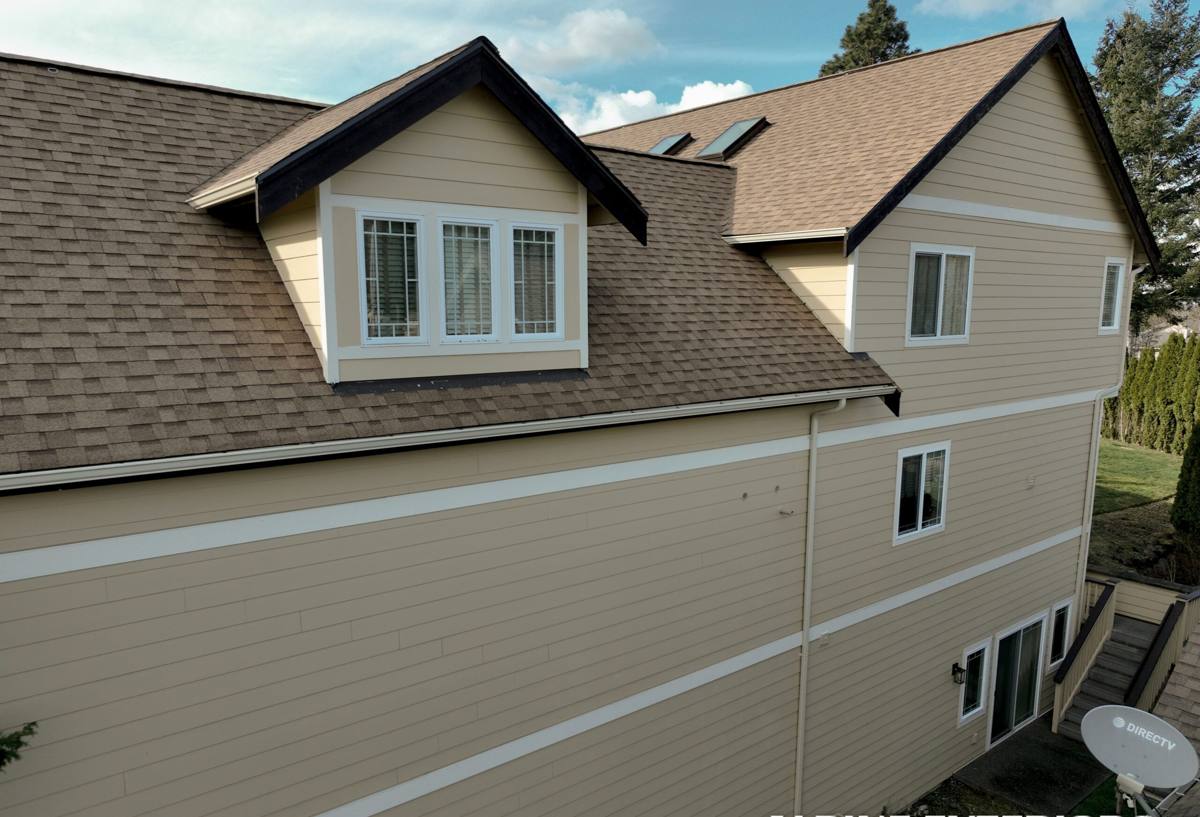
Signs a Countryside Home Is Ready for New Windows
Most window failures show up as small annoyances long before they become real problems. Here's what we look for, and what we'd encourage you to check yourself:
- Foggy or cloudy glass between the panes — the seal has failed and the insulating gas is gone
- Windows that are hard to open, close, or lock, or that rattle in the wind
- Visible daylight or a draft around the frame when the window is shut
- Soft, discolored, or bubbling drywall or trim below or beside the window
- Chalky, pitted, or corroded aluminum frames, especially at the corners
- A noticeable jump in cooling costs with no other explanation
- Condensation forming on the inside of the glass regularly, even without a storm
- Frames that no longer sit flush or square in the opening
Any one of these on its own might not mean replacement is urgent. Several together, especially on a home that's had its original windows for fifteen-plus years, usually means it's time to have them looked at before the next storm season finds the weak point for you.
What a Correct Window Replacement Actually Involves
Swapping a window sounds simple — old one out, new one in — but the parts that determine whether it holds up through a Florida summer happen before and after the window itself ever gets set in the opening.
Removing the Old Window Without Damaging the Opening
The rough opening has to come out clean. Rushing the removal or forcing a new unit into a slightly out-of-square opening is one of the most common causes of early leaks — the window itself may be fine, but if it's not sitting true, water will find a way around it. We check the opening for rot, moisture damage, or settling before anything new goes in, because installing a new window over a compromised opening just hides the problem for a few more years.
Flashing, Sealing, and Water Management
This is the step that actually keeps wind-driven rain out, and it's the step that gets skipped most often on rushed jobs. Proper flashing tape and sealant around the nailing fin or frame, installed in the right order — so water is always directed outward and down, never trapped behind the siding or stucco — is what separates a window that survives ten hurricane seasons from one that starts leaking after the second.
Fastening and Structural Attachment
Wind load doesn't just push against the glass — it pulls at the frame's connection to the structure. Fasteners, spacing, and shim placement all have to match the window manufacturer's tested installation instructions and Florida's building code, not just "close enough." A window with the right impact rating installed with the wrong fastening pattern doesn't actually perform to that rating.
Choosing the Right Window for a Wind-Borne Debris Area
Pinellas County falls inside Florida's wind-borne debris region, which shapes what code allows and what actually makes sense for a Countryside home. The main decision homeowners face is impact-rated glass versus standard glass paired with separate storm protection.
| Option | How It Works | Trade-offs |
|---|---|---|
| Impact-rated windows | Laminated glass and reinforced frame stay intact under wind-borne debris impact testing | Higher upfront cost; no separate shutters to store, deploy, or maintain; typically better UV and noise control |
| Standard windows + accordion or panel shutters | Standard glass, protection added separately before a storm | Lower window cost, but requires shutters to be closed every time — easy to forget, and someone has to be home to deploy them |
| Standard windows, no shutters | Meets minimum code only where an exception applies | We generally don't recommend this for Countryside; leaves the home exposed and can complicate insurance |
Frame material matters just as much as the glass. Vinyl frames handle salt air well and don't corrode, but lower-grade vinyl can warp under sustained heat on west- and south-facing walls. Fiberglass holds its shape better under heat and UV over the long run, at a higher price point. Aluminum is strong and slim-profiled but needs a quality finish to resist the pitting that salt air causes over time — we're selective about which aluminum products we'll stand behind here for that reason. We'll walk through what fits your home's exposure and budget rather than pushing one product for every job.
Permits, Codes, and Inspections
Window replacement in Pinellas County requires a permit and a final inspection — this isn't optional paperwork, it's what confirms the installation actually meets Florida Building Code wind and water-resistance requirements for this area. We pull the permit, coordinate the inspection, and handle the product approval documentation your window needs to have on file. Skipping this step is how homeowners end up with an uninsurable claim or a problem discovered during a home sale, long after the crew that did the work is gone.
Our Process, Start to Finish
- On-site assessment. We look at every opening, not just the ones you've flagged, and check for hidden moisture or framing issues before quoting anything.
- Product selection. We go over impact rating, frame material, and glass options based on your home's exposure and your budget — no pressure toward the most expensive option.
- Written estimate. Clear pricing, timeline, and scope before any commitment.
- Permitting. We handle the Pinellas County permit application so you don't have to.
- Installation. Careful removal, opening inspection and repair as needed, correct flashing and sealing, and code-compliant fastening.
- Cleanup and walkthrough. We clear debris and go over every window with you before we consider the job done.
- Final inspection. We coordinate the county inspection so the permit closes out properly and the work is documented.
What New Windows Actually Change Day to Day
Beyond storm readiness, the difference shows up in the parts of daily life that have nothing to do with weather events. Modern low-E glass cuts down significantly on the UV that fades flooring, furniture, and artwork near south- and west-facing windows — a real issue in a place that sees intense sun most of the year. Better seals mean the air conditioner runs less to fight drafts, which matters in a county where cooling is a year-round cost, not a seasonal one. And laminated impact glass, even outside of storm season, cuts down on outside noise noticeably — a quieter side benefit most homeowners don't expect until they have it.
Why a Crew That Already Works Countryside Matters
Window replacement done right depends on knowing the conditions a home actually faces, not just the general code minimums for the state. A crew that regularly works in Countryside and the surrounding Oldsmar area already knows how these homes were typically built, what the common opening sizes and framing quirks look like in this part of Pinellas County, and which products hold up to the specific combination of salt air, UV, and storm exposure here versus, say, an inland county with none of those pressures. That local pattern recognition is what keeps a job on schedule and prevents surprises once the old windows come out and the opening is exposed.
If your windows are showing their age or you just want a straight answer on whether they still meet what this climate demands, we're glad to take a look. The estimate is free, there's no pressure to commit to anything, and you'll get a clear, honest picture of what your home actually needs — use the form below to get started.