 Oldsmar Siding
 Storm Damage Roof Repair for Feather Sound Homes
Feather Sound sits close enough to open water that every roof in the community takes a different kind of beating than a roof twenty miles inland. Between hurricane-season wind events, the wind-driven rain that comes with even a routine summer thunderstorm, and the constant UV and salt-air exposure that never really lets up in this part of Pinellas County, roofs here age unevenly. Two homes built the same year, a few streets apart, can be in very different condition depending on which side caught the worst of the last big blow. Storm damage roof repair in this area isn't a one-size-fits-all job, and treating it that way is how homeowners end up with a repair that fails again in the next storm.
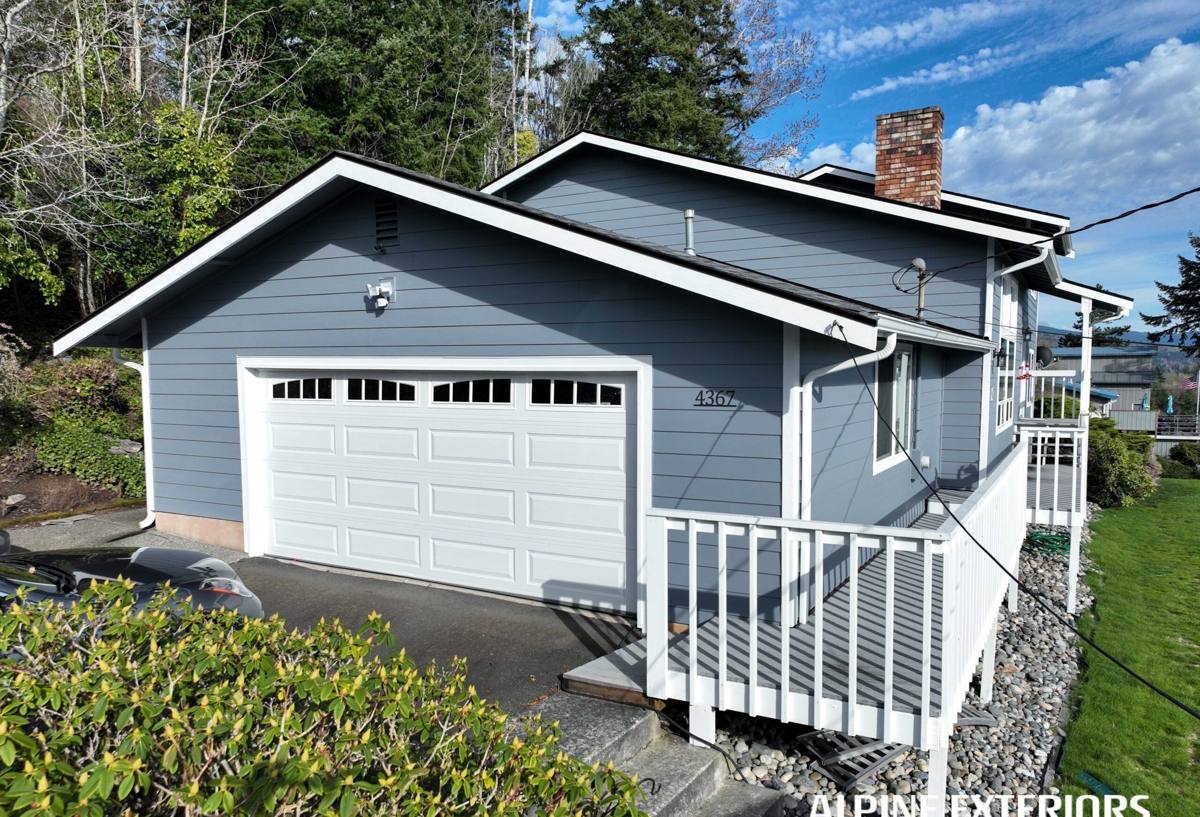
What Actually Counts as Storm Damage
Not all roof damage after a storm looks dramatic. Some of it is obvious — missing shingles, a torn-back section of underlayment, a dented vent cap. A lot of it isn't, and that's the damage that causes the most expensive problems down the road if it's missed.
Wind
Sustained wind and gusts don't just rip shingles off. More often they break the seal on a shingle without removing it, or lift a tab just enough to crack the adhesive strip. The shingle can look fine from the ground and still leak the next time it rains.
Wind-Driven Rain
When rain comes in sideways, it can get pushed up and under shingle edges, around flashing, and through vents that would never let water in under normal conditions. This is one of the most common causes of interior leaks that homeowners can't explain, because the roof surface itself looks intact.
Hail and Windborne Debris
Even without large hail, storms send small debris — twigs, grit, torn vegetation — across a roof at speed. That impact can bruise shingle mat or knock granules loose in a way that's hard to spot but shortens the shingle's remaining life.
Cumulative UV and Salt Air Wear
This is the damage that isn't caused by any single storm but makes every storm worse. Constant UV exposure dries out asphalt shingles and breaks down sealants over years, and salt air accelerates corrosion on exposed fasteners, flashing, and metal roof panels. A roof that's already brittle or corroded from years of that exposure will suffer more damage from an average storm than a newer roof would from a stronger one.
Feather Sound's Mix of Roof Types Changes the Repair
Feather Sound has a genuine mix of housing — condos and townhomes alongside single-family homes — and that mix matters for how storm repair actually gets done.
Condos and Townhomes
Lower-slope and shared roof sections common in condo and townhome buildings behave differently than a steep residential roof. Water doesn't shed as fast, so wind-driven rain has more time to find a weak seam, and a repair on one unit's section needs to be done in a way that doesn't leave the adjoining section vulnerable. Coordination with an HOA or association is often part of the job here, not an afterthought.
Single-Family Homes
Standard pitched roofs shed water faster, but they also have more total flashing detail — around chimneys, valleys, skylights, and roof-to-wall transitions — and each of those details is a potential entry point after a storm. A repair that only addresses the shingles and ignores the flashing around a valley or a wall transition is a repair that's likely to leak again in the next round of wind-driven rain.
What a Correct Storm Repair Involves
A storm repair that's done right starts before a single shingle gets replaced.
Inspection Before Anything Gets Patched
The point of a real inspection is to find every place the storm affected the roof, not just the spot the homeowner noticed a leak. That means checking the full roof surface, not just the section closest to the reported problem, and checking from inside the attic where accessible for evidence of moisture that hasn't shown up on ceilings yet.
Decking, Underlayment, and Flashing
If wind-driven rain got past the shingles, it's worth checking whether it also reached the underlayment or the decking underneath. Replacing shingles over wet or damaged decking just seals the problem in. Flashing around penetrations and transitions has to be re-secured or replaced to match, not just caulked over.
Matching Ventilation and Code Requirements
Any repair large enough to touch a meaningful section of roof should also confirm the ventilation is still working correctly and that the repair meets current Florida building code for wind resistance in this zone. A patch that ignores code requirements can create problems at resale, even if it holds up physically.
Repair or Replace? Weighing the Cost Factors
Not every storm-damaged roof needs full replacement, and not every roof can be reasonably patched. The right call depends on a few honest factors.
| Factor | Favors Repair | Favors Replacement |
|---|---|---|
| Roof age | Under roughly 10-12 years, still within expected service life | Nearing or past the material's typical lifespan |
| Extent of damage | Isolated to one section or a handful of shingles/flashing points | Spread across multiple roof planes or slopes |
| Underlying decking | Dry, sound, no rot found during inspection | Wet, soft, or delaminated in more than a small area |
| Storm history | First significant damage the roof has taken | Repeated storm damage over recent years |
| Insurance coverage | Repair cost is well under deductible or partial-loss coverage | Adjuster scope supports full replacement |
None of these factors decide the question alone — a roof can be young but have widespread damage, or old but only lightly affected. This is exactly why the inspection has to come first and the recommendation has to follow from what's actually found, not from a default answer.
Our Storm Repair Process
- Inspection and documentation. We walk the roof, check the attic where accessible, and photograph the specific damage found — useful for our scope of work and for any insurance claim.
- Honest scope and options. We explain what's damaged, what caused it, and whether repair or replacement makes sense, in plain terms, before any work starts.
- Repair. Damaged shingles, underlayment, decking, and flashing are addressed together, not piecemeal, so the repaired section performs as a system.
- Final check. We confirm the repair is sealed, ventilation is intact, and the work meets current code before we consider the job done.
Working With Your Insurance Company
Storm damage claims move faster and go more smoothly when the damage is documented clearly and tied to a specific weather event. We provide photo documentation and a written scope of the storm-related damage we find, which your adjuster can use alongside their own inspection. We don't handle the claim for you or promise a particular settlement — that's between you and your insurer — but a clear, honest record of the damage helps make sure nothing gets missed or dismissed.
After a Storm: A Quick Homeowner Checklist
- Check ceilings and upper walls for new stains, even small ones, in the days after a storm
- Look at the attic (if accessible) for damp insulation, water streaks on rafters, or daylight where there shouldn't be any
- Note any shingles, granules, or roofing debris on the ground or in gutters
- Check gutters and downspouts for damage or blockage that could send water back under the roofline
- Avoid climbing onto the roof yourself to inspect it — storm-damaged roofs can hide soft or weakened spots
- Get a professional inspection soon after the storm, even if you don't see obvious damage from the ground
Why Local Experience in Feather Sound Matters
A roofer who works across Pinellas County regularly, and specifically in communities like Feather Sound, has a working sense of how this area's mix of condos, townhomes, and single-family homes actually holds up to hurricane-season wind, wind-driven rain, and long-term UV and salt-air exposure. That's different from general roofing experience — it means knowing what tends to fail first in this specific setting, what an insurance adjuster in this region typically expects to see documented, and how to schedule and sequence repair work around the shared-roof coordination that condo and townhome buildings often require. It also means being reachable for follow-up if a repair needs a second look after the next storm, not just after the one that prompted the call.
If your roof took damage in a recent storm, or you're not sure whether what you're seeing is storm-related or just age, we're happy to take a look. The estimate is free, there's no pressure attached to it, and you'll get a straight answer about what we find — use the form below to get started.