 Oldsmar Siding
 Windows Built for the Citrus Park Side of Oldsmar
Homes in and around Citrus Park sit close enough to Tampa Bay and the Gulf that the windows on a house do a lot more work than most homeowners realize. It's not just about letting light in or keeping a room quiet. In this part of Pinellas County, a window has to hold up against hurricane-force wind gusts, block or filter intense year-round UV that fades floors and furniture, resist wind-driven rain that gets pushed sideways into frames and tracks, and shrug off salt-laden air that corrodes cheap hardware from the inside out. A window that was fine in a drier, calmer climate often isn't built for what this region actually throws at it.
That's the difference between a generic window swap and custom window work done right for this specific area. Custom doesn't just mean "made to fit an odd-sized opening" — though that matters too, especially in older Florida homes with settling and non-standard rough openings. It means selecting the frame material, glass package, and hardware based on which direction a wall faces, how exposed it is to wind, and how much sun it takes over the course of a Florida summer.
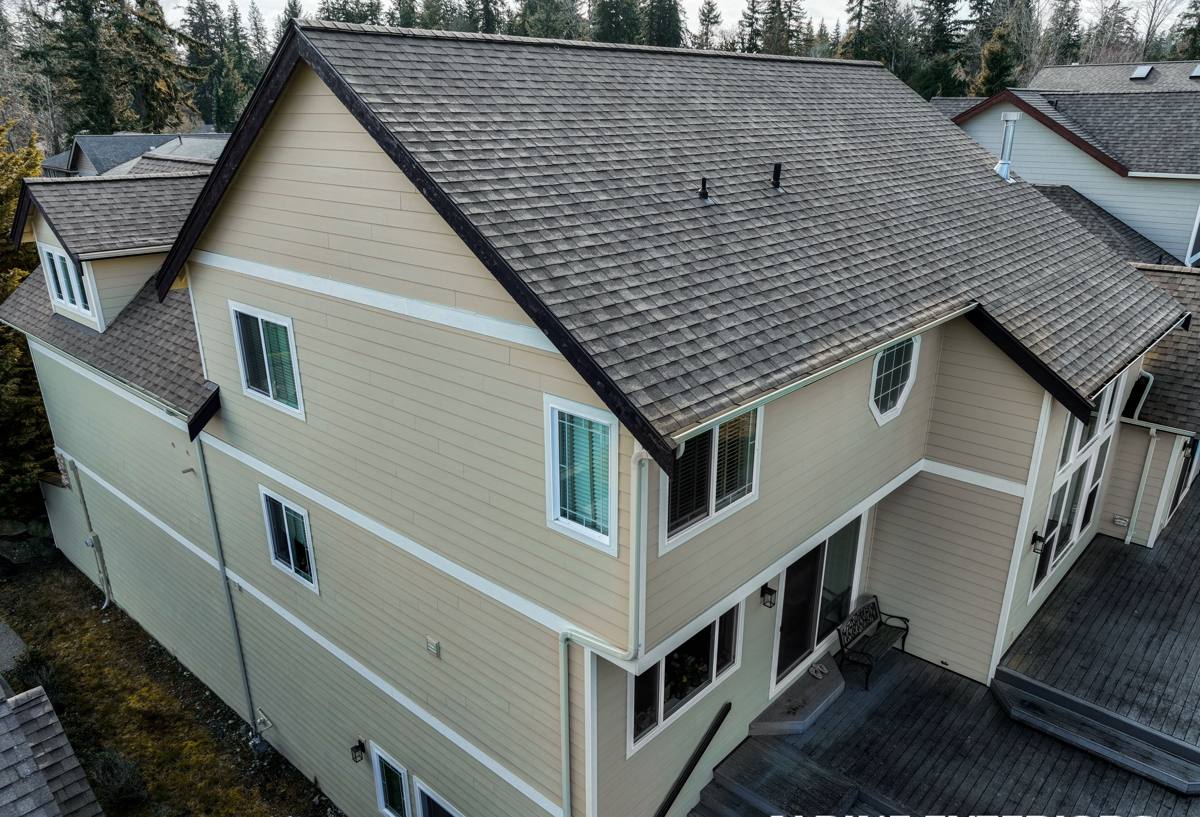
What Citrus Park-Area Homes Are Up Against
Wind and Storm Pressure
Oldsmar and the surrounding Pinellas County communities fall within Florida's wind-borne debris region, which means window products used here need to meet Florida Building Code wind-load and impact-protection standards that apply to our region — not the lighter-duty products still sold in a lot of other parts of the country. During a storm, a window isn't just resisting wind pressure; it's also the thing standing between your living room and whatever debris is airborne. A window that fails opens the whole house up to a pressure spike that can damage the roof structure from the inside.
UV Exposure
Florida gets some of the most intense year-round UV in the continental U.S. Left unmanaged, that UV bakes vinyl frames until they go brittle and discolored, cooks the glazing seals that keep insulated glass sealed, and fades flooring, cabinetry, and furniture near south- and west-facing windows. Glass coatings and frame material both matter here — not just for comfort, but for how long the window actually lasts.
Wind-Driven Rain
Afternoon storms in this area rarely fall straight down. Wind pushes rain sideways and up under sills, and a window with a weak sealing system or poorly flashed installation will let water in long before the frame itself fails. Most of the "leaky window" calls we get aren't a bad window — they're a window that was installed without proper flashing and sealant detail around the rough opening.
Salt Air
Even set back from the immediate waterfront, homes near Tampa Bay deal with salt content in the air that accelerates corrosion on hardware, screws, and lesser-grade aluminum components. Over a few years, that corrosion is what causes locks to seize, cranks to stick, and hinges to fail — usually well before the glass or frame shows any wear.
Choosing the Right Frame Material
There's no single "best" window material — the right choice depends on the wall's sun exposure, your budget, and how much upkeep you're willing to do. Here's how the common options actually compare for this climate:
| Material | Sun/UV Durability | Salt Air Resistance | Maintenance |
|---|---|---|---|
| Vinyl | Good with UV-stabilized formulations | Good — won't corrode | Low |
| Aluminum | Very good, doesn't warp in heat | Fair — needs quality coating to resist pitting | Moderate |
| Fiberglass | Excellent — very stable in heat and UV | Excellent | Low |
| Wood/wood-clad | Poor without diligent upkeep | Poor — moisture and salt accelerate rot | High |
We steer most Citrus Park-area homeowners away from unclad wood frames for anything facing the weather. It's not that wood windows are a bad product in general — it's that they demand a maintenance schedule most people don't have time for in a climate this humid and salty, and the failure mode (rot at the sill) is expensive to catch late.
Impact Glass vs. Standard Glass Plus Shutters
This is the biggest decision on any window project in our area, and it deserves a real answer instead of a sales pitch.
- Impact windows use laminated glass that stays intact even when the outer pane cracks, so the opening stays protected without separate shutters. Higher upfront cost, no storm-prep labor, and typically a small insurance credit.
- Standard glass with code-rated shutters or panels costs less upfront on the window itself but adds the ongoing task of installing and removing protection before and after every storm, plus storage for the panels.
- Standard glass with no separate protection is not code-compliant in the wind-borne debris region for most new installations and isn't something we install as a finished solution.
For homes here, we lean toward recommending impact glass on street-facing and storm-exposed walls at minimum, because it's protection that's already in place at 2 a.m. when a storm turns and there's no time to put up panels.
What Actually Drives the Cost
| Factor | Why It Matters |
|---|---|
| Frame material | Fiberglass and impact-rated vinyl cost more than basic vinyl, but last longer here |
| Glass package | Impact-rated laminated glass costs more than standard insulated glass |
| Opening size and shape | Custom or non-standard openings require made-to-fit units instead of stock sizes |
| Number of openings | Whole-house projects typically bring a better per-window price than one-off replacements |
| Existing condition | Rot, out-of-square openings, or old aluminum frames add prep and flashing work |
We give straight, itemized numbers during the estimate — broad ranges before that aren't useful to you and aren't something we'll guess at over the phone.
How Our Process Works
- On-site assessment. We look at each opening, note sun exposure, wind exposure, existing frame condition, and any signs of past water intrusion.
- Product selection. We recommend frame material and glass package per opening — not a single one-size answer for the whole house — based on exposure and your budget.
- Precise measurement. Every opening gets measured individually. Older Florida homes settle, and no two openings are guaranteed to match, even on the same wall.
- Removal and prep. We remove the old unit, inspect the rough opening for rot or damage, and repair the substrate before anything new goes in — skipping this step is the single most common cause of window leaks.
- Flashing and sealing. Proper flashing tape and sealant order matters more than the window brand. Water needs a path back out, not a path in.
- Installation and fastening. Units are set plumb, level, and square, and fastened to meet the wind-load rating the product is designed for — an under-fastened impact window is not actually storm-rated in practice.
- Final seal and cleanup. Interior and exterior sealant, hardware check, and a walkthrough so you know how to operate and maintain the new windows.
Signs a Previous Installation Was Done Wrong
- Visible gaps or excessive caulk smeared around the frame edge instead of proper flashing underneath
- Water staining on interior drywall below or beside a window after storms
- Windows that are hard to open, close, or lock — often a sign of an out-of-square install, not a bad window
- Condensation between the panes of an insulated unit, meaning the seal has already failed
- Visible corrosion or rust streaking from screws or hardware onto the frame
Why a Crew That Already Works Citrus Park Matters
A contractor who regularly works this specific pocket of Pinellas County already knows which wall orientations on local homes take the worst afternoon sun, which older subdivisions tend to have out-of-square openings from decades of settling, and what the local permitting and inspection process actually expects to see on a window job. That familiarity shortens the guesswork on your project — fewer surprises during removal, fewer callbacks, and a crew that isn't learning the region's climate demands on your house.
It also means faster response if something needs a follow-up visit. A crew based near Oldsmar isn't driving in from across the region to handle a warranty check or a minor adjustment.
Permits and Code Compliance
Window replacement in Pinellas County generally requires a permit, and inspectors check that the installed product's wind rating matches what's required for the home's exposure and that fastening meets the manufacturer's tested installation instructions — not just that a window is physically in the opening. We handle the permit process and schedule inspections as part of the job, so you're not left tracking down paperwork or scheduling city inspections yourself.
Keeping New Windows Performing Long-Term
- Rinse frames and tracks periodically to clear salt residue, especially on homes closer to the water
- Check and lightly lubricate hardware (locks, cranks, hinges) once or twice a year
- Inspect exterior caulk lines annually and have gaps resealed before rainy season
- Clear weep holes at the base of the frame so water can drain instead of pooling
- Watch for condensation between panes, which signals a failed seal worth addressing under warranty
None of this is heavy maintenance — it's a few minutes a couple of times a year — but skipping it is how a well-installed window still ends up with early hardware failure in a salt-air environment.
Get a Straight Answer for Your Home
Every home in the Citrus Park area faces the weather a little differently depending on orientation, age, and how the last set of windows was installed. If you'd like a clear, no-pressure look at what your home actually needs and what it would cost to do it right, the form below gets you a free estimate from a local crew that already knows this area.