 Oldsmar Siding
 Building Decks That Actually Hold Up in Carrollwood
A deck in the Carrollwood area lives a harder life than a deck almost anywhere outside Florida. Between long stretches of intense UV, heavy afternoon humidity, wind-driven rain during summer storms, and the occasional hurricane-force gust working its way inland from the Gulf, outdoor structures here take a beating year-round. A deck that was framed and fastened the way it might be in a drier, milder climate will show problems early — cupped boards, rusted fasteners, soft spots at the ledger board, rails that wobble after a couple of storm seasons.
We build decks for homeowners in Carrollwood and the surrounding Tampa Bay communities with that reality built into every decision, from the footings up. This page walks through what that actually means: what the climate demands, what a correctly built deck looks like, how we approach the job, and what to ask before you hire anyone to build one.
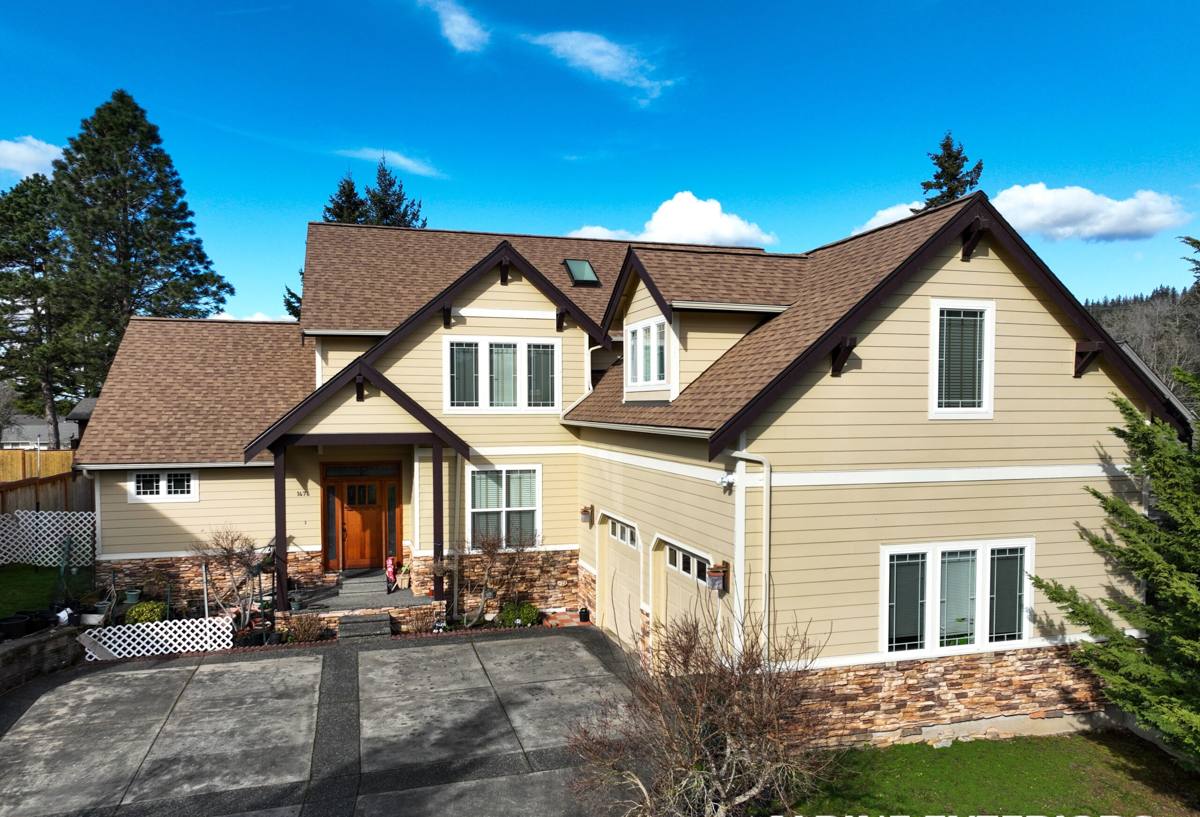
What Carrollwood's Climate Does to an Outdoor Deck
It's worth being specific about the forces at work, because they drive nearly every material and construction choice on the project.
UV and Heat
Florida gets more direct sun exposure across the year than almost anywhere in the continental U.S. UV breaks down wood fibers, dries out natural oils, and fades stains and sealers far faster than in northern climates. Surface temperatures on a dark composite or uncoated wood deck can also climb high enough on a summer afternoon to matter for bare feet and for the long-term stability of the boards themselves.
Humidity and Wind-Driven Rain
Afternoon storms in this region don't just fall straight down — wind pushes rain sideways and underneath structures, which means fasteners, joist hangers, and ledger connections stay damp longer than the boards on top ever show. Moisture that gets trapped between decking boards and framing, or behind a ledger board that wasn't flashed correctly, is where hidden rot starts.
Salt Air
Even well inland from the immediate coastline, Tampa Bay's proximity to open water means a steady low-level exposure to salt in the air. Salt accelerates corrosion in standard fasteners, hinges, and hardware — a slow process that's invisible until a rail post or stair stringer connection fails.
Storm-Force Wind
Decks attached to the house need to handle uplift and lateral load, not just the static weight of furniture and people. Railings, stair connections, and the ledger-to-house attachment are the points that fail first when a structure wasn't built with wind load in mind.
What a Correctly Built Deck Involves
A deck that's going to last in this environment isn't just about picking a nice-looking board. The parts nobody sees are what determine whether it's still solid in ten years.
- Footings sized and set below grade to local frost-free and load requirements, not just poured on the surface
- Ledger board attachment flashed properly where the deck meets the house, so water is directed away from the structure instead of into it
- Corrosion-resistant fasteners and hardware rated for coastal or high-moisture exposure, not standard interior-grade hardware
- Joist hangers and structural connectors installed at every load point, not just toe-nailed framing
- Proper board spacing to allow drainage and airflow underneath, reducing the moisture that causes cupping and rot
- Railing and stair connections built to resist lateral load, since these are the components most often under-built
Skipping any one of these doesn't show up on day one. It shows up two or three storm seasons later, usually as a soft spot near the house or a rail that's developed some give.
Choosing the Right Decking Material for This Climate
There's no single "best" decking material — every option is a trade-off between upfront cost, appearance, and how much upkeep you're willing to commit to. Here's how the common choices actually perform in a Tampa Bay yard.
| Material | Upfront Cost | Maintenance | How It Handles This Climate |
|---|---|---|---|
| Pressure-treated wood | Lowest | Annual cleaning and re-sealing | Affordable and repairable, but UV and moisture cycling will cause graying, splitting, and warping without consistent upkeep |
| Composite decking | Mid to upper | Occasional washing, no staining | Resists rot and UV fading better than wood; quality varies significantly by brand and product line |
| PVC/capped decking | Highest | Low — mostly rinsing | Best moisture resistance of the common options; performs well in humid, storm-prone climates but costs more upfront |
| Tropical hardwoods | High | Regular oiling to maintain color | Naturally dense and rot-resistant, but requires consistent maintenance to prevent graying and surface checking in intense sun |
We'll walk through these options honestly, including what each one actually costs to maintain over five or ten years — not just what it costs to install. A cheaper board that needs re-staining every year isn't necessarily the cheaper choice long-term.
Why We're Selective About Certain Products
Not every decking product on the market is built for this kind of moisture and heat cycling. Some early-generation composite boards, for example, are more prone to moisture absorption at cut ends or fastener points, which can lead to swelling if end caps and proper fastening aren't handled correctly. That's not a reason to avoid composite decking broadly — it's a reason to be careful about which products and installation details we use, and we'll explain our reasoning on any material we recommend or steer you away from.
Structural Considerations Specific to This Area
Beyond material choice, a few structural details matter more here than they would in a milder climate.
Elevation and Drainage
Many Carrollwood-area lots deal with heavy seasonal rainfall and slow-draining soil. Footings and ledger height need to account for water pooling near the house, and the space under the deck should be graded to shed water away from the foundation rather than trap it.
Ledger Attachment
The ledger board — where the deck bolts to the house — is the single most important structural connection on an attached deck, and it's also the most common point of failure when it's not flashed correctly. Water intrusion at the ledger doesn't just damage the deck; it can lead to rot in the house's rim joist behind the siding.
Wind-Rated Railing and Stair Framing
Railings need to resist a real lateral load, not just look sturdy. We build stair stringers and railing posts to resist the kind of gusts this area sees during storm season, with connections sized for that load rather than the minimum that will pass a casual glance.
Our Deck Building Process
Every deck project follows the same basic sequence, though the details shift based on your yard, your home's construction, and what you want the space to do.
- On-site assessment. We look at grade, drainage, the house's existing structure at the attachment point, and sun/shade exposure through the day.
- Design and material selection. We talk through layout, size, and material options with honest cost and maintenance trade-offs for each.
- Permitting. Decks in this area typically require a building permit and inspection — we handle that process rather than leaving it to you.
- Footings and framing. Footings are set to proper depth and load rating; framing uses corrosion-resistant hardware throughout.
- Decking, railing, and stairs. Boards are installed with proper spacing and fastening for your chosen material; railings and stairs are built to resist wind and lateral load.
- Final walkthrough and inspection. We review the finished deck with you and make sure it passes any required local inspection.
Permits and Local Code
Deck construction in the Tampa Bay area is governed by the Florida Building Code, which includes wind load requirements that are notably stricter than what's required in most of the country. Depending on your specific location and jurisdiction, that can affect footing depth, fastener specification, and railing design. We pull the required permits and build to code rather than treating it as optional paperwork — an unpermitted deck can become a real problem at resale, and more importantly, a code-compliant structure is one that's actually been checked against real wind and load requirements rather than just built by eye.
What to Ask Before You Hire a Deck Builder
Deck building looks straightforward from the outside, which is exactly why it attracts a lot of unlicensed or under-insured operators. A few questions separate a real contractor from someone with a truck and a nail gun:
- Are you licensed and insured to do structural work in this county?
- Will you pull the required building permit, or is that left to me?
- What fastener and hardware grade do you use, and is it rated for coastal/humid exposure?
- How is the ledger board flashed and attached to my house?
- What's the realistic maintenance schedule for the material we choose — not just the sales pitch?
- Can you walk me through how the railings and stairs are built to handle wind load?
If a contractor can't answer those clearly and specifically, that's worth noticing before you sign anything.
Signs an Existing Deck Needs Attention
If you already have a deck and are weighing repair against replacement, a few warning signs matter more than cosmetic wear:
- Soft or spongy boards, especially near the house or stair landing
- Rust streaking around fasteners or visible corrosion on hardware
- Any movement or give when you push on the railing
- Gaps or separation where the ledger board meets the house
- Persistent standing water or staining underneath the deck after rain
Any one of these is worth a real inspection rather than a quick cosmetic fix, since the underlying framing is usually where the actual problem lives.
Why a Crew That Already Works This Area Matters
A deck builder who's used to a drier or more moderate climate will often default to standard-grade hardware, skip the flashing detail at the ledger, or under-spec the railing connections — not out of carelessness, but because that's what works fine where they usually build. In Pinellas and Hillsborough County, those shortcuts show up fast. A crew that regularly works in Carrollwood and the surrounding Oldsmar area already knows what the sun, the rain, and the salt air do to a structure over time, and builds accordingly from the first footing.
If you're planning a new deck or need an honest read on one you already have, we're happy to come take a look and put together a straightforward estimate — no pressure, no obligation. Use the form below to get started.