 Oldsmar Siding
 Homes in and around Clearwater sit in one of the more demanding exterior environments in the country. Hurricane-force wind events are a real seasonal possibility, UV exposure runs high nearly every day of the year, wind-driven rain gets forced sideways into laps and seams during summer storms, and salt air drifting off the Gulf works on fasteners and finishes around the clock. Siding that isn't built for that combination doesn't fail because it was installed badly — it fails because it was never engineered for this climate in the first place. That's the starting point for how we approach every fiber cement project we run in this area.
We're an Oldsmar-based crew, and Clearwater is part of the territory we work regularly. This page focuses on one thing: fiber cement siding, what it needs to do in this specific climate, what a correct installation actually involves, and why the details of who installs it matter as much as the material itself.
What "Fiber Cement Siding" Means on This Page
The Material
Fiber cement siding is a manufactured cladding made from a cured mix of Portland cement, sand, and cellulose fiber. Unlike wood or wood-composite siding, it doesn't rely on a protective coating alone to resist moisture — the material itself is dimensionally stable, meaning it doesn't swell, shrink, or cup the way wood-based products do when humidity changes. That stability is the entire reason fiber cement has become the standard choice for coastal Florida homes over the last two decades.
Why We Only Install James Hardie
Not all fiber cement is manufactured or engineered the same way, and we don't install every fiber cement brand on the market. We standardized on James Hardie products specifically because they're manufactured in climate-specific formulations, backed by a factory-applied finish system, and supported by a warranty structure that holds up to scrutiny. When we say "fiber cement siding" on this page, we mean James Hardie — that's the only fiber cement system that goes on homes we work on.
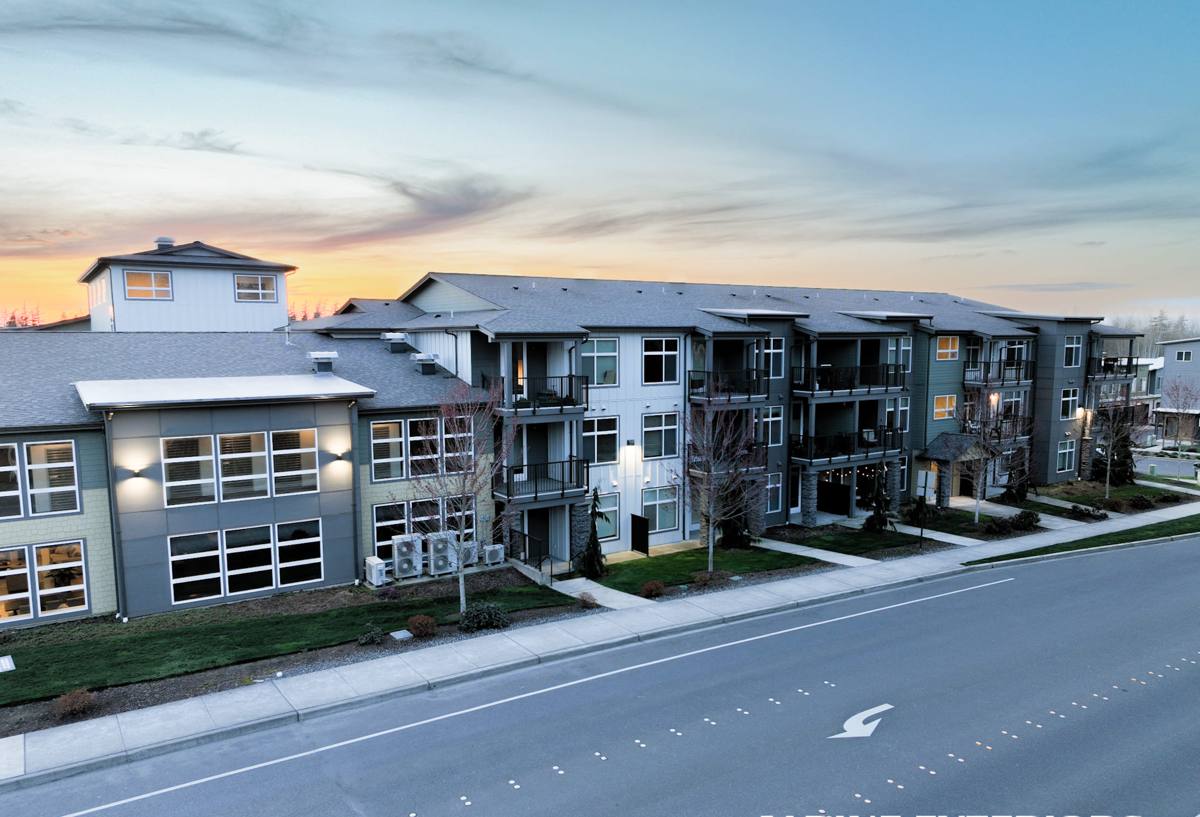
What Clearwater's Climate Does to Exterior Siding Over Time
Wind-Driven Rain
Summer storms in this part of Florida don't just drop rain straight down — wind pushes it sideways into laps, seams, and any gap where water can find a path behind the cladding. Siding that isn't installed with correct lap overlap, flashing, and gapping will eventually let moisture behind the wall plane, even if the surface material itself is fine.
Year-Round UV Exposure
Florida sun is intense for most of the year, not just in summer. Paint films that aren't formulated and applied to withstand that level of UV load tend to chalk, fade, and eventually crack years before a homeowner expects to be repainting. Color consistency and finish longevity are bigger practical concerns here than they are in most of the country.
Salt Air and Fastener Corrosion
Clearwater's proximity to the Gulf means salt-laden air is a constant, low-level factor working on a home's exterior. It accelerates corrosion on exposed or improperly rated fasteners and can degrade finishes that weren't built to resist it. This matters even for homes that aren't directly on the water, since onshore wind carries salt further inland than people expect.
Hurricane Wind Loads
Pinellas County sits in a designated high-wind zone, and siding installed here needs to hold up to fastening and wind-load requirements that don't apply in most of the country. That affects everything from nailing pattern and fastener spacing to how panels are gapped and secured at corners and terminations.
What a Correct Fiber Cement Installation Involves
The material is only half of the equation — how it goes on the wall determines whether it performs the way it's engineered to. A correct fiber cement installation in this climate includes:
- A continuous, properly lapped weather-resistant barrier behind the siding, not just house wrap stapled up and left as-is
- Correct minimum clearance between the bottom of the siding and grade, roofing, decking, and any horizontal surface below it
- Fastener spacing and penetration depth that meet both the manufacturer's specifications and local wind-load requirements
- Proper flashing at every window, door, and roof-to-wall intersection, not caulk used as a substitute for flashing
- Correct panel and lap gapping to allow for the material's minor thermal movement without stressing the finish or seams
- Corrosion-resistant fasteners rated for coastal, high-salt-exposure environments
- Caulking applied only where the manufacturer specifies it, using a product rated for exterior, high-UV exposure
Skipping or rushing any one of these steps doesn't usually show up right away. It shows up two, five, or ten years later, as moisture intrusion, fastener staining, or premature finish failure — problems that are far more expensive to fix than they would have been to install correctly the first time.
HZ5 Engineering and ColorPlus Finish: Why They Matter Locally
James Hardie manufactures its siding in regional formulations rather than one generic product sold everywhere. Homes in our area receive the HZ5 product line, engineered specifically for high-humidity, high-moisture-exposure climates like Pinellas County's — a materially different formulation than what's sold in dry, inland regions of the country.
The finish matters just as much as the substrate. ColorPlus is a factory-applied finish, baked on in multiple coats under controlled conditions rather than sprayed or brushed on-site after installation. In a climate where UV load and salt air both work against a painted finish every single day, that difference shows up in how long the color and coating actually hold up compared to field-applied paint systems.
Our Process for Clearwater-Area Fiber Cement Projects
Site Assessment and Existing Siding Removal
Every project starts with a walk of the property to assess the existing siding, look for moisture damage or rot in the substrate behind it, and check details like window flashing, roofline transitions, and grade clearance before any new material goes up. Fiber cement installed over hidden problems just traps them behind a new wall.
Scheduling Around Storm Season
We plan project timing with Florida's storm season in mind, sequencing work to minimize how long a home sits with exposed sheathing or partially completed walls during periods of higher storm risk.
Permitting and Wind-Code Compliance
Pinellas County's permitting and wind-load requirements are specific, and we handle that process as part of the job rather than leaving it to the homeowner. Fastening patterns, product approvals, and inspection sign-offs all need to match what the local code requires for this wind zone.
Installation and Final Inspection
Installation follows James Hardie's published fastening, gapping, and flashing specifications throughout, with attention paid to the transitions and details that cause the most problems if rushed — corners, penetrations, and roof intersections. We walk the finished job with the homeowner before considering it complete.
What Drives Fiber Cement Siding Cost in Clearwater
| Cost Factor | Why It Matters Here |
|---|---|
| Home size and wall complexity | More corners, gables, and window/door openings mean more cutting, flashing, and labor time per square foot |
| Condition of existing wall substrate | Hidden moisture damage or rot found during removal adds repair work before new siding can go on |
| Siding profile and trim selection | Lap siding, board and batten, and shingle-style panels all involve different labor and material quantities |
| Fastener and flashing specification | Coastal-rated, corrosion-resistant fasteners and proper flashing materials cost more than standard-grade alternatives but are necessary here |
| Access and site conditions | Multi-story sections, tight lot lines, or landscaping that limits equipment access can affect labor time |
We provide project-specific pricing after walking the property — broad national averages for fiber cement siding don't account for the wind-rated fastening and flashing work that homes in this climate actually require.
Why Hiring a Crew That Already Works This Area Matters
Fiber cement siding is a forgiving material when it's installed correctly and an unforgiving one when it isn't, and the margin for error is smaller in a high-wind, high-moisture coastal climate than it is almost anywhere else. A crew that already works Clearwater and the surrounding Pinellas County area on a regular basis has already dealt with the local permitting process, the wind-code fastening requirements, and the specific ways this climate stresses an exterior wall. That familiarity shows up in fewer surprises during the job and fewer callbacks after it — not because the material is different, but because the details that make it perform correctly are already second nature.
Being based in Oldsmar also means we're not driving in from out of the area for a single job and then disappearing. If a question comes up after the project is finished, we're still local.
Maintaining Fiber Cement Siding in a Gulf Coast Climate
One of the practical advantages of a correctly installed Hardie system here is how little ongoing maintenance it actually needs. Realistic upkeep for a Clearwater-area home looks like:
- An occasional rinse to clear salt residue, pollen, and general grime, especially on walls facing prevailing onshore wind
- A visual check after major storms for any panels, trim, or flashing that may have shifted
- Keeping sprinklers and landscaping from spraying directly and repeatedly onto the base of the wall
- Repainting or touch-up only where physical damage occurs, not on a fixed maintenance schedule
That's a meaningfully lighter maintenance load than wood or wood-composite siding requires in this same climate, where repainting and moisture monitoring tend to be recurring, not occasional.
If you're planning a siding project in Clearwater or elsewhere in our Oldsmar service area, we're glad to walk the property, talk through what your home's exterior actually needs, and put together a free, no-pressure estimate.