 Oldsmar Siding
 Asphalt Shingle Roofing for Forest Lakes Homes
Forest Lakes sits inland from Tampa Bay but still takes the full brunt of Pinellas County weather — hard afternoon sun for most of the year, wind-driven rain rolling off the Gulf, and the kind of tropical humidity that finds every weak seam in a roof system. Asphalt shingle roofs remain the most common choice in this neighborhood because, installed correctly, they hold up to that mix of stress at a cost most homeowners can plan around. The key phrase is "installed correctly." A shingle roof is a system of parts working together — deck, underlayment, flashing, ventilation, and the shingles themselves — and if any one of those is done wrong, the rest doesn't matter.
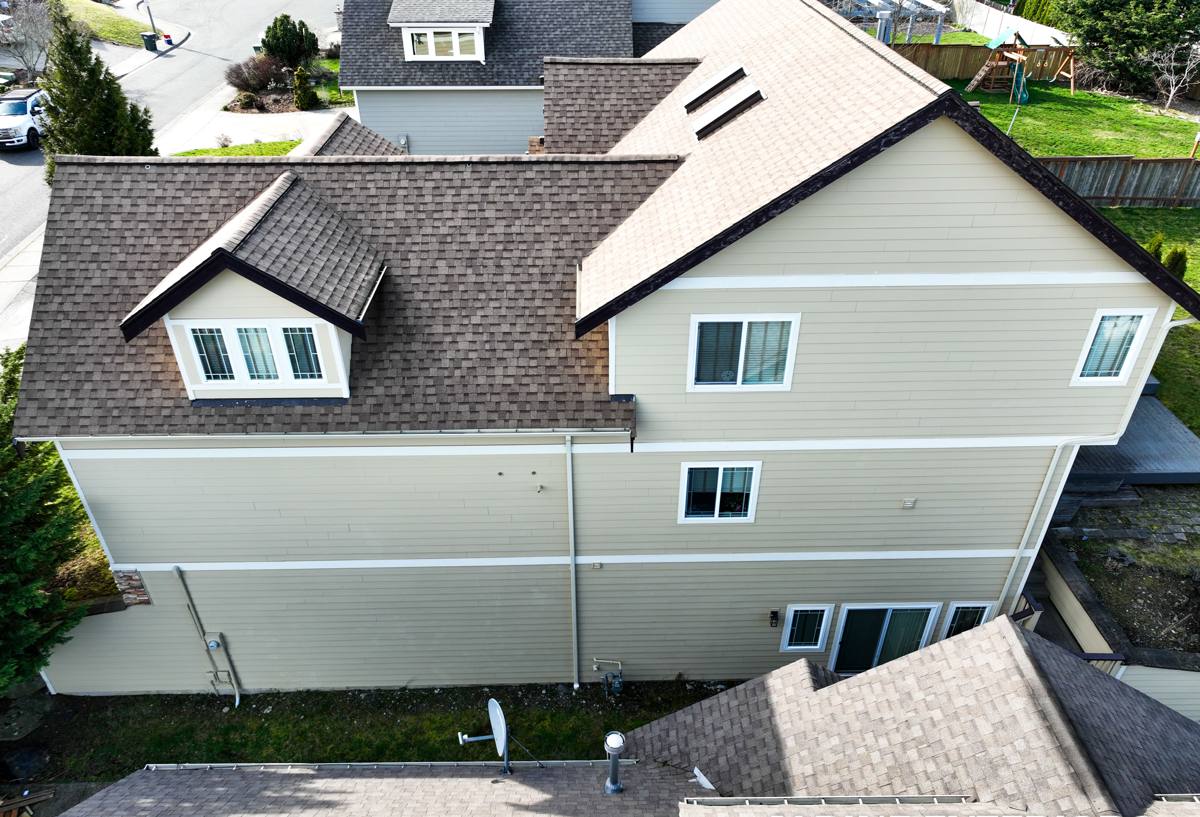
What Local Weather Actually Does to a Shingle Roof
Homeowners in this part of Oldsmar deal with a specific combination of stresses that shortens the life of a poorly built roof and tests even a well-built one.
Year-Round UV Exposure
Florida sun is intense and nearly constant. UV breaks down the asphalt in shingles over time, drying out the mat and causing granules to loosen and shed. This is a slow, cumulative process — it's why two roofs installed the same year, on houses a mile apart, can age differently depending on tree cover, roof orientation, and ventilation.
Wind-Driven Rain
Rain that falls straight down is rarely the problem. Rain pushed sideways by wind finds its way under shingle edges, into exposed nail heads, and through any flashing that wasn't sealed properly. A roof can look fine from the ground and still be letting water in at the ridge, valleys, or around penetrations like vent pipes and chimneys.
Salt Air
Being close to Tampa Bay means airborne salt settles on every exterior surface, including the roof. Salt accelerates corrosion on exposed metal — nail heads, flashing, and drip edge — which is one reason we specify corrosion-resistant fasteners and flashing on every job in this area rather than treating it as an upgrade.
Hurricane-Force Wind
Pinellas County roofs need to be built to handle tropical storm and hurricane wind events, not just everyday breezes. Wind uplift is what tears shingles off a roof — it starts at an edge, a corner, or a spot with weak nailing, then peels back from there. Proper fastening pattern and shingle wind rating matter more here than almost anywhere else in the country.
Signs a Forest Lakes Roof Needs Attention
Most shingle roof failures don't happen all at once — there's usually a stretch of warning signs first. Homeowners can catch a lot of it early with a simple visual check from the ground or after storms.
- Shingles that look curled, cupped, or lifted at the edges
- Bald patches where granules have worn away, exposing darker asphalt underneath
- Granules collecting in gutters or at downspout outlets
- Missing or torn shingles after a windy afternoon storm
- Dark streaking or staining, which is usually algae, not structural damage
- Soft spots, sagging, or a "spongy" feel anywhere on the roof deck
- Water stains on interior ceilings, especially near where two roof planes meet
- Daylight visible through the attic decking
- Rusted or lifted flashing around chimneys, skylights, or vent pipes
Any one of these alone might not mean urgent trouble, but a combination of two or three usually means it's worth having someone look at the roof before the next heavy rain event.
What a Correct Shingle Installation Actually Involves
A shingle roof is only as good as the layers underneath it. When we replace a roof in this neighborhood, the work follows the same sequence every time, because skipping a step is exactly how roofs end up failing years before they should.
Tear-Off and Deck Inspection
We remove the old roofing down to the deck rather than layering over it. That's the only way to actually see the plywood or OSB underneath — soft, delaminated, or water-stained deck sections get replaced before anything new goes down. Roofing over a compromised deck just hides a problem that gets more expensive later.
Underlayment
The underlayment is the roof's backup layer if wind or wear ever compromises the shingles themselves. In a wind-driven rain climate like this one, we don't treat underlayment as an afterthought — it's sealed at seams and around every penetration, not just stapled down loosely.
Flashing and Penetrations
Valleys, chimneys, skylights, and vent pipes are where most roof leaks actually start, not out in the open field of shingles. Correctly formed and sealed flashing at these transition points is what keeps water out over the long run.
Shingle Installation and Fastening
Nailing pattern matters as much as the shingle itself. We follow manufacturer specifications for nail placement and count, because that's what the shingle's wind rating is actually tested against — a wind-rated shingle installed with the wrong fastening pattern doesn't perform to that rating.
Ventilation
Attic ventilation affects how hot the roof deck gets and how much moisture builds up underneath the shingles. Poor ventilation shortens shingle life from below, even on a roof that was installed well on top. We check existing ventilation on every replacement and recommend corrections when the attic isn't breathing properly.
Choosing a Shingle for This Climate
Not every asphalt shingle is built the same, and the differences matter more in a coastal, high-wind, high-UV area than they would somewhere milder.
| Shingle Type | Typical Wind Rating | Best Suited For |
|---|---|---|
| Standard 3-tab | Lower wind rating | Budget-conscious projects, less wind exposure |
| Architectural / dimensional | Higher wind rating, varies by product | Most homes in this area — better durability and appearance |
| Impact-rated architectural | Higher wind rating plus impact resistance | Exposed lots, insurance premium considerations |
We walk homeowners through the trade-offs between these categories based on the specific home, its exposure, and budget — not just the sticker price of the shingle bundle. A slightly higher upfront cost on a better-rated shingle often pays for itself in fewer repairs and better storm performance over the roof's life.
Repair or Full Replacement?
Not every roof problem in Forest Lakes calls for a full tear-off. The right call depends on the roof's age, the extent of the damage, and whether the underlying deck and structure are sound.
| Factor | Leans Toward Repair | Leans Toward Replacement |
|---|---|---|
| Roof age | Under 10-12 years | Nearing or past expected shingle lifespan |
| Damage extent | Isolated area or single incident | Widespread granule loss, multiple leak points |
| Deck condition | Solid, no soft spots | Soft, stained, or delaminated decking found |
| Storm history | Minor, cosmetic wind damage | Repeated wind or hail events over the years |
We give an honest read on which side of that line a given roof falls on. If a repair is the right call, we say so — a full replacement isn't the answer to every roof problem, and we're not going to sell one when it isn't needed.
Our Process From Estimate to Cleanup
Homeowners should know what to expect before work starts, not find out as they go.
- On-site inspection: we look at the deck condition, existing ventilation, flashing points, and overall roof age before quoting anything.
- Written estimate: a clear scope of work and price, including what's being torn off, replaced, and installed.
- Material selection: we go over shingle options and wind ratings appropriate for this area.
- Scheduling around weather: Florida's rain patterns mean we plan installation windows carefully and protect the open deck if conditions shift.
- Tear-off and deck repair: old roofing removed, deck inspected and repaired as needed.
- Underlayment, flashing, and shingle installation: done in sequence, following manufacturer specifications.
- Final walkthrough and cleanup: magnetic sweep for nails, debris removal, and a final review of the finished roof with the homeowner.
Why Local Experience in Forest Lakes Matters
Roofing crews that work regularly in this part of Pinellas County understand the specific stresses this area's roofs face — the salt air moving in off Tampa Bay, the way afternoon storms hit at a predictable angle, and the wind exposure that varies house to house depending on tree cover and lot orientation. That local familiarity shows up in practical decisions: which flashing details hold up best here, how much attic ventilation a typical Forest Lakes home actually needs, and which fastening details are worth insisting on even when they add a little time to the job. It also means a crew that's easy to reach if a question comes up after the work is done, rather than one that's moved on to a different region entirely.
Maintenance That Extends a Shingle Roof's Life
A well-installed roof still benefits from basic upkeep, especially in a climate this demanding.
- Keep gutters clear so water isn't backing up under the roof edge
- Trim back overhanging branches that drop debris or scrape shingles in wind
- Have the roof looked at after any major storm, even if nothing looks obviously wrong
- Address small leaks or missing shingles promptly rather than waiting
- Check attic ventilation periodically, since blocked vents shorten shingle life from underneath
If you're seeing signs of wear on a Forest Lakes roof, or it's simply been a long time since it was last inspected, we're happy to take a look and give you a straight answer about what it needs. Reach out for a free, no-pressure estimate using the form below.