 Oldsmar Siding
 Siding Repair in Largo: Built for Pinellas County's Coastal Climate
Largo sits in the heart of Pinellas County, close enough to Tampa Bay and the Gulf that its houses take a different kind of beating than homes further inland. Siding here doesn't just fade a little and call it a day — it gets pushed, soaked, baked, and salted in rotation, year after year. A repair job that ignores any one of those forces tends to fail again within a couple of seasons. Our crew handles siding repair specifically in this area, which means we're not guessing at what Largo homes need — we're seeing the same failure patterns on a regular basis and repairing them the right way the first time.
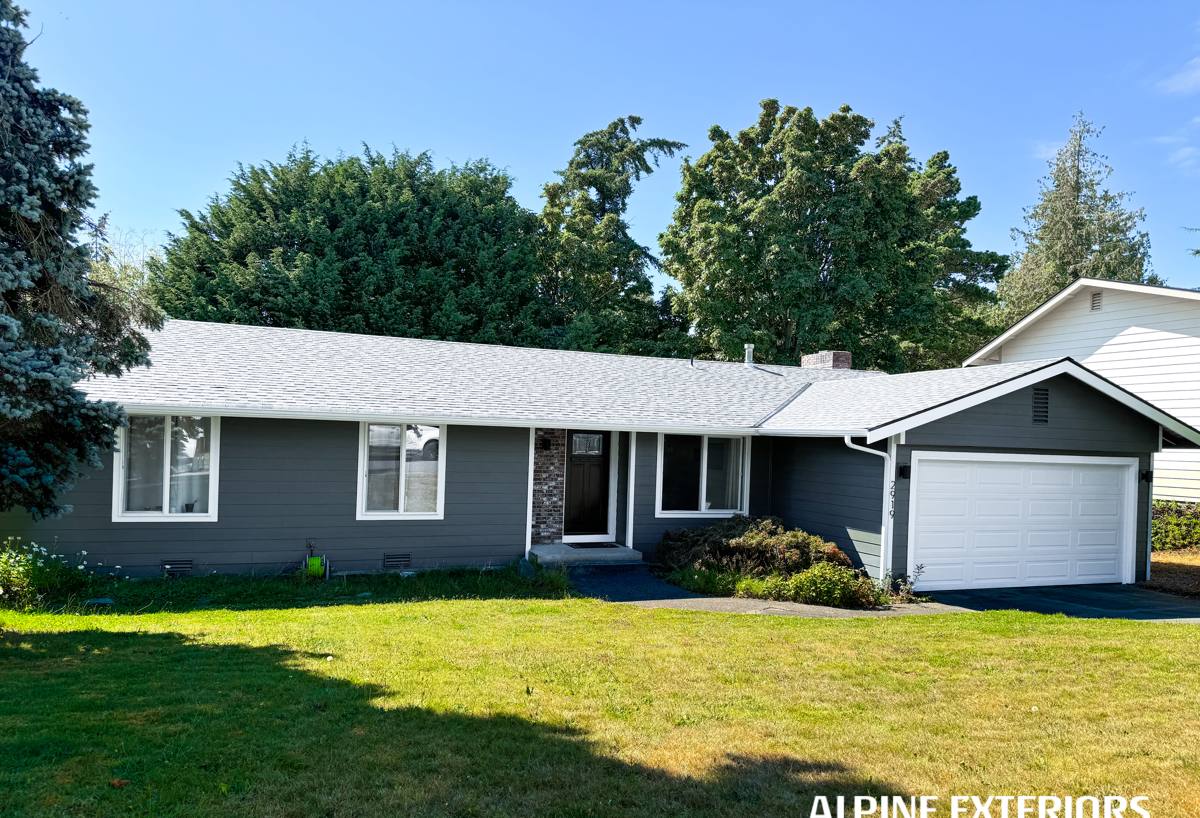
What Makes Largo Homes Hard on Siding
Hurricane-Force Wind
Even outside of a direct hurricane hit, Largo gets tropical storm bands, squall lines, and straight-line wind gusts multiple times a year. Wind doesn't just rattle siding — it works fasteners loose, lifts panel edges, and drives water in behind seams that were never designed to handle sideways rain. Once a panel starts flexing in the wind, the damage compounds fast.
Intense, Year-Round UV
Florida sun is relentless and it doesn't take a season off. UV breaks down paint film, dries out caulking, and — on lower-quality siding materials — causes the substrate itself to chalk, crack, or delaminate. South- and west-facing walls in Largo typically show UV wear years before the shadier sides of the same house.
Wind-Driven Rain
Rain that falls straight down is manageable for almost any siding system. Rain that gets pushed sideways by wind is a different problem — it finds gaps at seams, corners, and penetrations (light fixtures, hose bibs, vents) that were fine under normal conditions. Repeated wind-driven rain exposure is one of the top reasons we get repair calls in this part of Pinellas County.
Salt Air
Largo isn't directly oceanfront, but it's close enough to Tampa Bay and the Gulf that salt-laden air still reaches most neighborhoods, especially on breezy days. Salt accelerates corrosion on fasteners, trim, and any exposed metal, and it can slowly degrade certain siding finishes faster than inland Florida homes experience.
Signs Your Largo Home Needs Siding Repair
Most siding problems don't announce themselves loudly. They start small and get worse until they're expensive. Here's what we tell Largo homeowners to watch for between inspections:
- Visible cracks, splits, or buckling in individual panels or boards
- Soft or spongy spots when you press on the siding, especially near the bottom of walls
- Peeling, bubbling, or chalking paint that keeps coming back after touch-ups
- Gaps opening up at seams, corners, or where siding meets trim, windows, or doors
- Staining or streaking that suggests water is running behind the siding, not just over it
- Loose panels that move or rattle in the wind
- Visible fastener corrosion (rust streaks around nail or screw heads)
- Musty odors or discoloration on interior walls that share an exterior wall with damaged siding
Any one of these on its own might be minor. Several showing up together, or showing up on the same wall repeatedly, usually means water has already gotten past the surface.
What a Correct Siding Repair Job Actually Involves
A siding repair that just covers the visible damage and moves on is a repair that's likely to come back. Done correctly, repair work in a climate like Largo's involves a few non-negotiable steps.
Find the Real Cause, Not Just the Symptom
A cracked or stained panel is usually a symptom. The cause might be a failed flashing detail, a caulk joint that dried out and split, a fastener pattern that didn't account for wind uplift, or moisture that's been sitting behind the siding for months. We open up the damaged area enough to see what's actually happening before we decide how to fix it.
Check for Hidden Moisture Damage
In a humid, storm-prone area like Pinellas County, water intrusion rarely stays contained to the panel you can see. We check the sheathing, house wrap, and framing behind damaged siding for soft spots, staining, or rot before closing anything back up. Patching over wet or compromised sheathing just hides the problem until it's bigger and more expensive.
Match Material, Fastener, and Finish Correctly
Repairs that mix incompatible materials, use the wrong fastener type, or leave a visible color mismatch aren't just cosmetic misses — they create new weak points. Correct repair work matches the existing siding profile and finish as closely as possible, uses fasteners rated for coastal, high-wind conditions, and reseals every seam and penetration properly.
Rebuild the Water Management Details
Flashing above windows and doors, kick-out flashing at rooflines, and proper overlap at seams are what keep wind-driven rain from getting behind the siding in the first place. If those details were missing or done wrong originally, we correct them as part of the repair, not just patch around them.
Repair or Replace? A Practical Decision Guide
Not every damaged section needs a full re-side, and not every repair is worth doing if the underlying material is on its way out. Here's how we generally think about it with Largo homeowners:
| Situation | Usually Repair | Usually Replace |
|---|---|---|
| Damage limited to one or two isolated panels/boards | Yes | No |
| Widespread cracking, warping, or soft spots across multiple walls | No | Yes |
| Siding is under 10-15 years old and otherwise sound | Yes | No |
| Siding is original to an older home and failing in multiple spots | No | Yes |
| Hidden moisture damage found behind a small repair area | Sometimes | Sometimes — depends on extent |
| Repeated repairs to the same wall or area over the years | No | Yes |
| Material discontinued or impossible to color-match | No | Yes |
We'll always give you an honest read on which side of that table your home falls on. If a targeted repair genuinely solves the problem, that's what we'll recommend — there's no reason to sell a full replacement when it isn't needed.
Our Repair Process
- On-site inspection. We look at the damaged area and the surrounding siding, check for hidden moisture, and identify the root cause — not just the visible crack or gap.
- Honest scope and estimate. You get a clear explanation of what needs to happen, why, and what it costs — including whether repair or partial replacement makes more sense for that section.
- Proper prep. Damaged material is removed carefully to avoid making the surrounding area worse, and sheathing or house wrap is inspected and repaired if needed.
- Correct repair or section replacement. Matching material, correctly rated fasteners, and proper flashing and sealant details, installed to hold up against Pinellas County wind and rain.
- Final check. We walk the repair with you before we consider the job done.
Why a Crew That Already Works Largo Matters
Siding repair isn't just a technical skill — it's also a local one. A crew that regularly works in and around Largo already understands things that affect the job before a single fastener goes in: which wall orientations take the worst UV and wind exposure in this part of the county, how salt air exposure varies by proximity to the water, and what permitting and wind-rating requirements apply to exterior work in Pinellas County. That local familiarity means fewer surprises, fewer delays waiting on the wrong information, and a repair that's built for the conditions your specific home actually faces — not generic conditions from a manual.
It also means accountability. A contractor who works this area regularly has a reputation to protect with the neighbors on your street, not just with you.
What We Use for Repairs and Replacement Sections
Our company installs James Hardie fiber cement siding exclusively — we don't install vinyl, LP SmartSide, or other engineered wood products. That standard shapes how we approach repair work, too. When a repair calls for replacing a full panel or section rather than patching, we use Hardie fiber cement because it holds up to the exact conditions that cause repeat repair calls in Largo: it's non-combustible, engineered for humid climates through Hardie's HZ product lines, and finished with a factory-applied ColorPlus finish that resists the fading and chalking that UV causes on painted or lower-grade materials. It also won't rot, and it stands up to wind-driven rain and salt air far better than wood-based or vinyl alternatives over the long run.
If your existing siding is a different material and only needs a targeted repair, we'll work with what's there when that's the honest, cost-effective answer. But if you're facing repeated repairs, widespread damage, or you're deciding what to replace failing sections with, we'll be straightforward with you about why we standardized on Hardie and how it changes the math on long-term maintenance and repair frequency.
Maintaining Your Siding Between Repairs
A good repair buys you years, not decades, if the siding around it isn't maintained. In Largo's climate, that means a few habits worth keeping up:
- Rinse siding periodically to remove salt residue and airborne grit, especially after storms
- Re-caulk seams and penetrations before gaps become visible, not after
- Trim vegetation back from siding so leaves and branches don't trap moisture against it
- Walk the exterior after major wind events and check for loosened panels or new gaps
- Address small paint or finish failures early, before UV and moisture get underneath
None of that replaces a professional inspection, but it does reduce how often you need one.
If you're seeing cracking, gaps, staining, or loose panels on your Largo home, it's worth getting a second set of eyes on it before the damage spreads. We offer free, no-pressure estimates — we'll tell you honestly whether you're looking at a straightforward repair or something bigger, and what it would take to fix it right.