 Oldsmar Siding
 Siding Replacement in Largo: Built for a Tougher-Than-Average Climate
Largo sits in the middle of Pinellas County, close enough to Tampa Bay and the Gulf that its homes take on the same environmental punishment as the rest of the barrier-island communities around it, even without direct waterfront exposure. Siding here isn't just a cosmetic layer — it's the barrier standing between your home's structure and a climate that rarely lets up. Hurricane-force winds during storm season, intense UV exposure nearly year-round, wind-driven rain that gets forced sideways into seams and laps, and a steady drift of salt air off the Gulf all work on a home's exterior at the same time, not one at a time. A siding replacement in Largo has to be planned around all four of those stressors together, not treated as a generic re-siding job that happens to be located in Florida.
That's the lens we bring to every Largo project: what does this specific home need to hold up under this specific climate, for decades, not just look good on installation day.
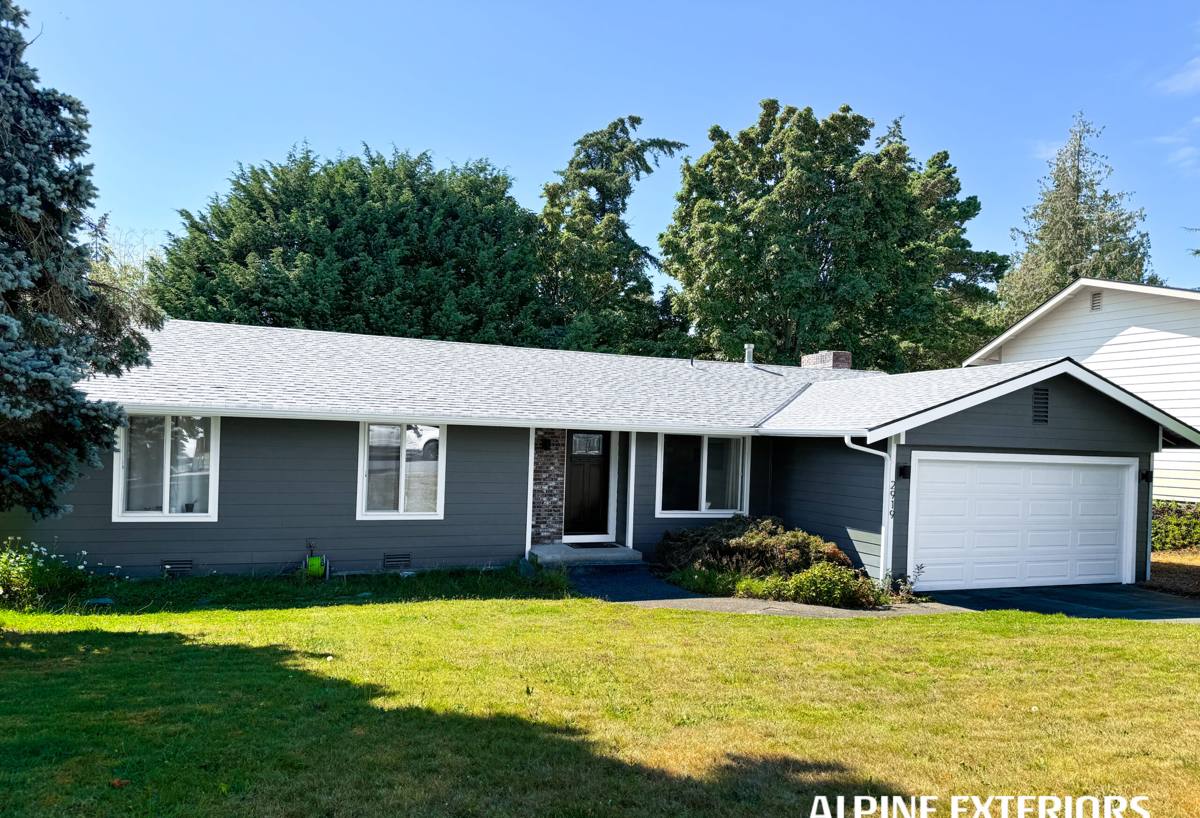
Signs a Largo Home's Siding Has Reached the End of Its Life
Older siding — especially vinyl, untreated wood, or older fiber cement that wasn't properly maintained — tends to fail in fairly predictable ways once Florida's heat-humidity-UV cycle gets a few years into it. Before you commit to a full replacement, it's worth knowing what's actually driving the decision, because some issues are cosmetic and some mean water is already getting behind the cladding.
- Visible warping, buckling, or waviness in panels, especially on south- and west-facing walls that take the most sun
- Cracking, splitting, or crumbling at panel edges and corners
- Soft or spongy spots when pressed, which usually means moisture has reached the sheathing behind the siding
- Paint or finish that's chalking, fading unevenly, or requires repainting every few years to stay presentable
- Persistent mold, mildew, or algae staining that comes back quickly after cleaning
- Gaps opening up at seams, corners, or around windows and doors where caulking has failed
- Rising energy bills that track with a siding system that's lost its ability to insulate and seal the wall assembly
- Visible rust streaking from fasteners, a sign the fastening system itself is degrading
Any one of these can sometimes be handled with a repair. Several at once, especially combined with soft sheathing, usually means the siding system as a whole has stopped doing its job and a full replacement is the more honest recommendation.
What a Correct Siding Replacement Actually Involves
"Replacing siding" sounds simple from the curb, but the work that determines whether the new siding lasts 10 years or 40 happens underneath it, not on the surface. A correct job in a climate like Largo's has several non-negotiable steps.
Full Tear-Off and Sheathing Inspection
Old siding comes off completely so the wall sheathing underneath can actually be inspected, not just the panels themselves. This is where hidden water damage, soft or rotted sheathing, and past installation mistakes get found. Skipping this step and installing new siding directly over old or damaged substrate just seals the existing problem inside the wall.
Weather-Resistive Barrier
A new, continuous moisture barrier goes over the sheathing before any siding is hung. This layer is what actually stops wind-driven rain that gets past the siding's outer surface from reaching the wood framing — and in Largo, wind-driven rain during storms is a real and recurring load on the wall, not a rare event.
Flashing and Trim Detailing
Windows, doors, corners, and any wall penetration are where failures start. Correct flashing directs water back out and away from these openings instead of letting it pool or wick inward. This is detail work that's easy to rush and expensive to get wrong.
Fastening to Manufacturer Spec
Fiber cement siding has specific nailing patterns, fastener types, and clearances that are engineered for high-wind zones. Under-fastened or incorrectly fastened siding is one of the most common causes of early failure in storm-prone Florida counties, and it's invisible from the ground once the job is finished — which is exactly why the crew's discipline on this step matters more than almost anything else in the job.
Factory-Applied Finish
The siding we install carries its color baked on at the factory rather than painted on-site after installation. That finish is engineered to resist Florida's UV load and humidity cycling far longer than a field-applied paint job, which is one of the reasons the finished product holds its color instead of chalking and fading within a few seasons.
Why We Install Only James Hardie Fiber Cement
We standardized on James Hardie fiber cement siding and don't install vinyl, LP SmartSide, Cemplank, Allura, or primed wood siding products. That's not a marketing position — it's a decision based on what actually holds up in Pinellas County's combination of heat, humidity, storm wind, and salt air over the long haul.
Fiber cement is non-combustible, which matters in a state where wildfire and ember exposure are a real, if secondary, consideration. It doesn't soften, sag, or melt in extreme heat the way vinyl can on a west-facing wall in direct summer sun. It doesn't rot, and it doesn't feed the wood-boring insects and moisture-driven decay that untreated or primed wood siding is vulnerable to in a humid climate. James Hardie's HZ5 product line is specifically engineered for high-humidity, storm-exposed climates like ours, and the company backs its products with a strong, transferable limited warranty that reflects confidence in how the material performs over decades, not just years.
None of this means other products are without merit — vinyl is inexpensive and wood has real aesthetic appeal. But when we weigh installation sensitivity, long-term moisture behavior, maintenance burden, and how a product actually performs after fifteen Florida summers, fiber cement is what we're willing to put our name behind and warranty our workmanship on.
Our Siding Replacement Process for Largo Homeowners
1. On-Site Inspection and Estimate
We walk the home, assess the current siding and, where accessible, the condition of the sheathing underneath, and talk through what your home actually needs. You get a written estimate with no pressure to sign on the spot.
2. Prep and Protection
Landscaping, walkways, and outdoor fixtures near the work area are protected before tear-off begins. We plan the job around Florida's afternoon storm patterns so exposed wall sections aren't left vulnerable to a sudden downpour.
3. Tear-Off, Repair, and Barrier Installation
Old siding comes off, any compromised sheathing is repaired or replaced, and a new weather-resistive barrier goes on before a single new panel is hung.
4. James Hardie Installation
Panels, trim, and flashing go on to manufacturer specification — correct fastener spacing, clearances, and sealant details, not shortcuts that only show up as problems years later.
5. Final Walkthrough
We walk the finished job with you, cleanup included, and go over care and maintenance so you know what to expect from the new siding going forward.
What Affects the Cost of a Siding Replacement in Largo
Every home is different, so we don't quote pricing off a generic number — but the factors that move cost up or down are consistent across most Largo projects.
| Factor | Why It Matters |
|---|---|
| Home size and wall complexity | More square footage and more corners, gables, and dormers mean more material and labor |
| Condition of existing sheathing | Hidden water or rot damage found during tear-off adds repair work before new siding can go on |
| Siding profile chosen | Lap width, panel style, and trim details all affect material and labor cost |
| Number of stories | Multi-story homes require more scaffolding, safety setup, and labor time |
| Trim, soffit, and fascia work | Replacing or repairing trim alongside siding is more efficient than doing it separately later |
| Access and site conditions | Tight lot lines, fencing, or landscaping that limits equipment access can add time |
The only way to get an accurate number is a walk of the actual home, which is what our estimate visit is for.
Why Hiring a Crew That Already Works in Largo Matters
Siding installation isn't uniform across Florida, let alone across the country. A crew that regularly works in Largo and the surrounding Oldsmar and Pinellas County area already understands how local wind exposure, humidity, and building patterns should shape a fastening schedule and flashing detail — decisions that a crew unfamiliar with this specific coastal-adjacent climate might get technically "acceptable" but not optimized for. There's also a practical side: local crews know how to sequence a project around Florida's summer storm pattern, they're reachable if a question comes up after the job is done, and they have a reputation in the area to protect, which tends to show up in how carefully the details get handled.
Maintaining Your New Siding After Installation
One of the advantages of a correctly installed James Hardie system is how little ongoing maintenance it actually needs compared to wood or older vinyl. That said, a small amount of upkeep goes a long way in this climate:
- Rinse the exterior periodically to clear salt air residue, pollen, and general grime before it builds up
- Inspect caulking around windows, doors, and trim annually and re-seal if it's cracking or pulling away
- Trim back landscaping and irrigation heads so they're not keeping siding constantly damp or spraying it directly
- Have the siding and trim visually checked after any major storm for impact damage or lifted panels
None of this is heavy maintenance — it's the kind of periodic attention that keeps a well-installed system performing the way it's designed to for decades.
Choosing the Right Contractor for Your Largo Siding Project
The material matters, but installation quality is what actually determines whether siding performs in a high-wind, high-humidity climate. When you're vetting a contractor for a replacement in Largo, ask specifically about their fastening practices, how they handle flashing at penetrations, whether they inspect and repair sheathing before re-siding, and what warranty covers their workmanship versus what the manufacturer covers on the material itself. A contractor confident in their process will walk you through all of it without hesitation.
If your Largo home's siding is showing its age, or you just want an honest read on its condition, we're happy to take a look. Reach out for a free, no-pressure estimate using the form below.