 Oldsmar Siding
 Siding Repair Built for What Lutz Weather Actually Does to a House
Homes in and around the Lutz area take a different kind of beating than homes further inland. Between hurricane-force wind events, months of intense UV exposure, wind-driven rain that gets pushed sideways into wall assemblies, and the salt-laden air that reaches well beyond the immediate coastline here in the Tampa Bay region, siding is one of the hardest-working parts of a house. It's also one of the most commonly patched incorrectly, which is why so many "repaired" homes end up with the same damage showing back up a year or two later.
This page covers what siding repair actually looks like when it's done right for a Lutz-area home — what causes the damage in the first place, what a correct repair involves, and why the crew doing the work matters as much as the materials.
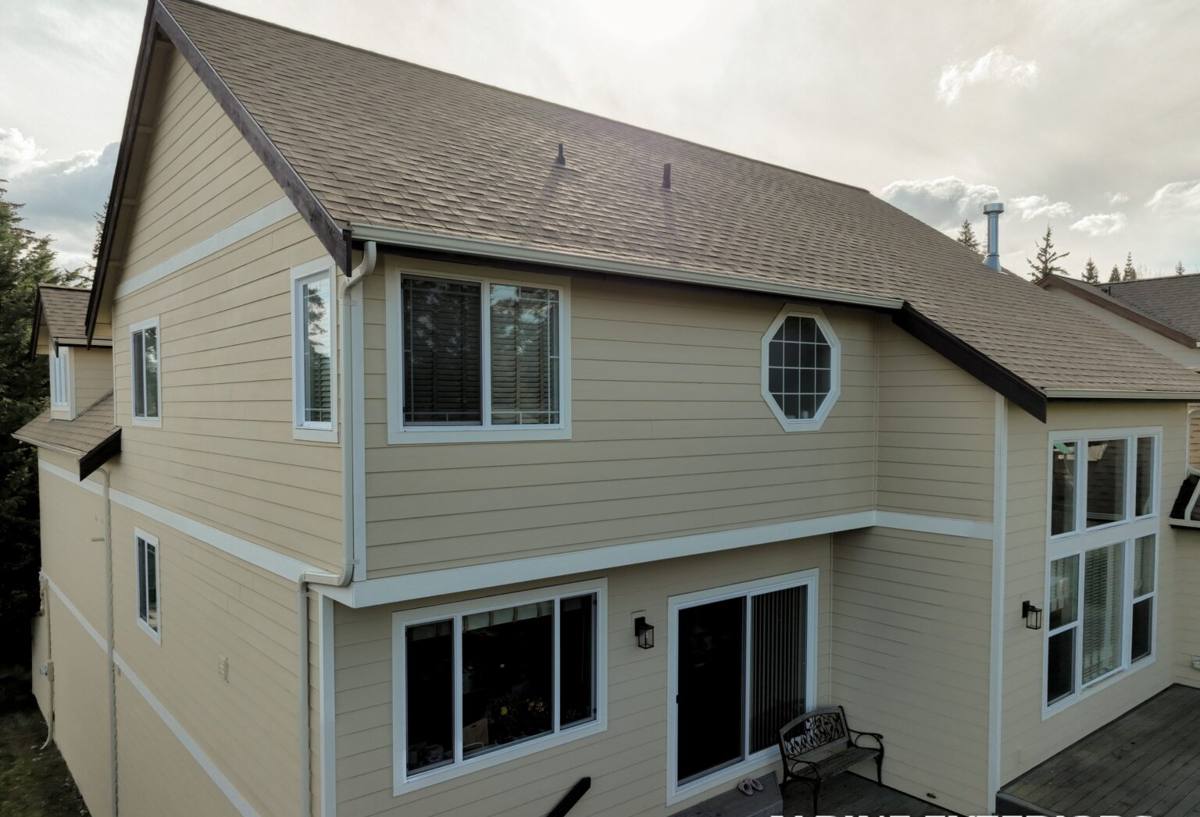
Why Siding Fails Faster Here Than in Most Parts of the Country
Florida's Gulf Coast climate doesn't give siding much of a break. A few specific stressors do most of the damage:
Wind and Wind-Driven Rain
Even storms that don't reach hurricane strength push rain sideways with enough force to drive water behind loose panels, gapped trim, and failed caulk joints. Once water gets behind the siding, the damage often isn't visible from the street — it shows up as soft trim, staining, or a musty smell well after the storm has passed.
Year-Round UV Exposure
Florida sun is intense and constant, not seasonal. UV breaks down caulk, fades unprotected paint finishes, and — on lower-quality siding materials — causes warping, cracking, and delamination over time. Siding on west- and south-facing walls typically shows UV wear years before the rest of the house.
Humidity and Moisture Cycling
Siding here rarely gets to fully dry out. Constant humidity keeps moisture-prone materials swollen longer, which accelerates rot in wood-based products and stresses seams and fastener points on every type of siding.
Salt Air
The Tampa Bay region's proximity to open water means salt-laden air travels further inland than most homeowners expect. Salt accelerates corrosion on fasteners, flashing, and any exposed metal components, which is often the real cause of a "mystery" stain or rust streak on siding that otherwise looks fine.
None of these stressors act alone — most siding damage is the result of two or three of them working on the same weak point over several years.
Signs a Lutz-Area Home Needs Siding Repair
Some damage is obvious. A lot of it isn't, especially from ground level. Here's what we tell homeowners to watch for between inspections:
- Visible cracking, splitting, or buckling in individual panels or boards
- Soft or spongy spots when pressed gently, especially near the bottom courses and around windows
- Staining, streaking, or discoloration that doesn't wash off
- Gaps opening up at seams, corners, or trim joints
- Caulk that's cracked, shrunk, or pulled away from the joint
- Bubbling, peeling, or chalky paint film
- Visible fastener heads, rust streaks, or corrosion around nails and screws
- Warping or wave patterns visible when looking down the wall plane at a low angle
- Musty odors or unexplained humidity indoors near an exterior wall
- Pest activity — carpenter ants and other wood-seeking insects often move in after moisture has already softened a section
If you're seeing more than one or two of these, especially after a storm season, it's worth getting an inspection before small damage becomes a larger repair.
What a Correct Siding Repair Actually Involves
A lot of "repairs" in this region amount to caulking over a problem and repainting. That approach hides damage temporarily without fixing what caused it, and it almost always fails again — usually faster the second time, because the underlying moisture path was never addressed.
Diagnosing the Real Cause, Not Just the Symptom
Visible damage is often a downstream symptom of a different problem: a failed flashing detail, a gap that lets wind-driven rain behind the panel, or a moisture barrier that was compromised during a prior repair or renovation. A correct repair starts by finding and fixing the actual entry point, not just patching what's visible.
Removing Damage Back to Sound Material
Any water-compromised material — siding, sheathing, or framing — needs to come out completely. Patching over softened material or trapped moisture just seals the problem inside the wall, where it keeps deteriorating out of sight.
Restoring the Moisture Barrier Correctly
Siding is one layer of a larger water-management system that includes the weather-resistive barrier, flashing, and proper lapping and shingling of materials so water is always directed outward and down. A repair that doesn't restore this sequence correctly can leave the wall more vulnerable than before the repair.
Matching Material and Fastening Correctly
Replacement sections need to match the existing siding in profile, exposure, and finish as closely as possible, and they need to be fastened per manufacturer specification — correct nail or screw type, spacing, and penetration depth. Under-fastened or improperly fastened siding is one of the most common causes of repeat wind damage in this region.
Sealing and Finishing to Manufacturer Spec
Caulk and sealant have to be applied at the right joints — not everywhere — using products rated for exterior, high-UV use. Over-caulking is almost as common a mistake as under-caulking, and it can trap moisture instead of shedding it.
Repair or Replace? How We Help You Decide
Not every damaged section needs full replacement, but not every repair is worth doing either. The right call depends on how much of the wall is affected, what's causing the damage, and how old the existing siding already is.
| Factor | Leans Toward Repair | Leans Toward Replacement |
|---|---|---|
| Extent of damage | Isolated to one or two sections | Spread across multiple walls or elevations |
| Root cause | Identifiable and fixable (flashing, fasteners, sealant) | Systemic moisture intrusion behind large sections |
| Age of existing siding | Still well within expected service life | Near or past the end of its practical lifespan |
| Material match availability | Close match to existing product available | Discontinued profile or color, poor match possible |
| Underlying structure | Sheathing and framing sound | Rot or damage found in structural wood |
We'll always give you a straight answer on which side of that line your home falls on — including telling you when a repair is the right, more affordable call, even if replacement would be a bigger job for us.
A Note on Material Matching for Repairs
We install and repair James Hardie fiber cement siding, and for homes already wearing Hardie, that makes repairs straightforward — the profiles, exposures, and ColorPlus factory finishes are consistent and traceable, so a well-executed repair section blends into the surrounding wall rather than standing out as a visible patch.
For homes with other siding materials, we'll still give you an honest assessment of the repair. But it's worth knowing up front: materials like vinyl, primed wood, or older fiber cement products can be difficult or impossible to match exactly once a section has faded or been discontinued, and some are more prone to repeat failure in this climate even after a correct repair. When a home has widespread damage on one of those materials, we'll tell you plainly if replacement with a climate-engineered product is going to serve you better long-term than continuing to patch it.
Our Repair Process
1. Inspection and Diagnosis
We walk the exterior, check the areas you've flagged, and look for related damage you may not have noticed — repair calls often turn up a second problem area during the walk-through.
2. Written Scope and Straight Answer
You get a clear explanation of what's causing the damage, what repair involves, and an honest recommendation on repair versus replacement — no upselling a full re-side when a targeted repair will hold.
3. The Repair Itself
Damaged material comes out, the moisture barrier and flashing get restored to spec, matching material goes back in, and everything is fastened and sealed correctly.
4. Final Walkthrough
We review the completed work with you before we consider the job done, so you know exactly what was fixed and why.
Why It Matters That the Crew Already Works in the Lutz Area
Siding repair isn't a generic task you can hand to whoever's available. A crew that regularly works homes in this part of the Tampa Bay region already understands how local wind exposure, sun orientation, and humidity patterns tend to concentrate damage on certain walls and details — which speeds up an accurate diagnosis instead of guessing. Local crews are also more likely to be familiar with the permitting and inspection expectations that apply to exterior work in this area, and they have a reputation in the community to stand behind, which matters more on a repair than almost any other exterior job, since a bad repair often doesn't show its failure until well after the crew is gone.
Get an Honest Look at Your Siding
If you're seeing damage, staining, or gaps on your home's siding, it's worth having someone look before wind or rain finds that weak point again. We offer free, no-pressure estimates for homes in the Lutz and greater Oldsmar area — we'll tell you plainly whether you're looking at a repair or something bigger, with no pressure either way. Use the form below to request your free estimate.