 Oldsmar Siding
 Window Installation in Lutz, Handled by a Crew That Works This Area
Lutz sits inland from the Gulf but still lives under the same Tampa Bay weather patterns that shape every exterior decision in this part of Florida: long stretches of intense UV, sudden wind-driven downpours, and the occasional hurricane-strength gust that tests every seam in a home's envelope. Windows are one of the first places that weather finds a way in when they're installed poorly, and one of the last things homeowners think about until a frame starts sweating, a sash won't latch, or a storm sends water creeping across a sill. Oldsmar Siding Company sends the same local crew into Lutz that works Pinellas and northern Hillsborough County day in and day out, so the install accounts for how this specific region actually behaves — not a generic national playbook.
This page is about one service, done right, in one area: replacing or installing windows on homes in and around Lutz. Below is what local homes actually need, what a correct installation involves, how our process runs from estimate to final walkthrough, and why hiring a crew with real Tampa Bay experience matters more than it might seem.
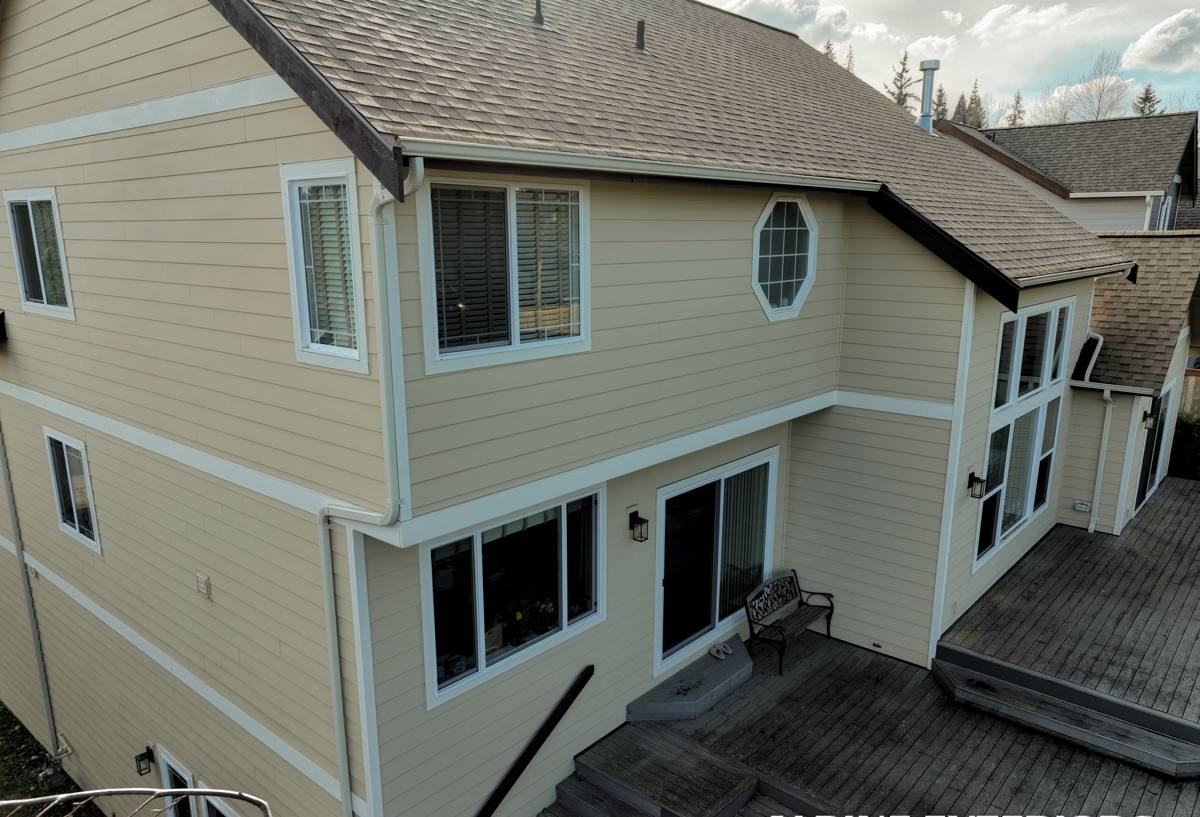
What Lutz Homes Need From Their Windows
Homes in Lutz range from older single-story ranch and block construction to newer builds with more window area and larger openings. Regardless of age, the climate stress on a window assembly here comes from a few consistent directions:
- Wind load during storm season: Hurricane-force gusts push and pull on window frames and can drive water past poorly sealed edges even when the glass itself holds.
- Year-round UV exposure: Constant sun degrades cheap vinyl, dries out sealants, and fades interior finishes near unprotected glass.
- Wind-driven rain: Rain rarely falls straight down here during a squall — it's pushed sideways, which means flashing and sill pan detailing matter as much as the window unit itself.
- Humidity and moisture cycling: Florida's swing between muggy afternoons and cooler nights puts sealants and gaskets through constant expansion and contraction, which is where inferior installs fail first.
None of this means Lutz needs exotic materials — it means the installation details have to be right every time, because the region doesn't give a bad seal much room to age gracefully.
Why "Good Enough" Installs Fail Early Here
A window can carry a strong wind rating on paper and still leak or fail if it's set into a rough opening that wasn't properly flashed, shimmed level, or sealed with the right materials. In this climate, a gap that would be a minor nuisance somewhere drier becomes a path for wind-driven rain during the next tropical system. That's why the install matters as much as the product — sometimes more.
What a Correct Window Installation Actually Involves
A proper install is a sequence, not a single step, and skipping or rushing any part of it is where problems start.
1. Opening Inspection and Prep
Before a new window goes in, the rough opening gets inspected for rot, soft wood, or prior water damage — especially important on older Lutz homes where a previous window may have been leaking quietly for years. Any compromised framing gets addressed before the new unit is set, not covered over.
2. Flashing and Sill Pan Detailing
Proper flashing directs any water that gets past the window itself back out and away from the wall assembly, rather than into it. A sill pan at the base of the opening is a small detail that makes an outsized difference during wind-driven rain events.
3. Setting the Window Level, Plumb, and Square
A window that's out of square binds, doesn't latch fully, and stresses the frame every time it's operated. Shimming correctly at load-bearing points keeps the frame from bowing under wind pressure.
4. Sealing With the Right Materials
Low-quality caulk dries out and cracks under Florida's UV load within a couple of seasons. We use sealants and expanding foam or backer rod suited to sustained sun exposure and temperature swings, applied at the right points — not just smeared around the exterior trim as a cosmetic fix.
5. Interior and Exterior Trim, Final Seal
Trim gets reset or replaced cleanly, and the final exterior seal is inspected for full coverage. This is also when the crew checks operation — every sash, lock, and screen — before calling the job finished.
Choosing the Right Window for a Lutz Home
Not every home needs the same window, and the right call depends on sun exposure, the home's orientation, and what's actually failing on the existing windows. A few honest trade-offs worth knowing:
| Factor | What to Consider |
|---|---|
| Impact-rated glass | Reduces the need for separate storm shutters and adds a layer of wind-borne debris protection; typically a higher upfront cost than standard glass. |
| Frame material | Vinyl is common and cost-effective; quality varies widely, and cheaper vinyl can warp under sustained heat. Fiberglass and quality composite frames resist UV degradation better over time. |
| Low-E glass coatings | Cuts down heat gain from constant sun, which matters for cooling costs and fading interior furnishings near south- and west-facing windows. |
| Window orientation on the home | West- and south-facing windows take the most UV and heat load; those openings often benefit from a higher-spec glass package even if other windows on the home don't need it. |
| Operable style | Single-hung and double-hung are common and budget-friendly; casement windows can offer a tighter seal against wind-driven rain due to their compression-style closing action. |
We'll walk through these trade-offs honestly during the estimate — there's rarely a single "best" window, only the best fit for a given home and budget.
Our Process, Start to Finish
- On-site assessment: We look at existing windows, framing condition, and any signs of past water intrusion before recommending anything.
- Honest estimate: A written quote that spells out materials, scope, and timeline — no pressure, no gimmicks.
- Scheduling around weather: Florida's storm season means we plan installs with realistic weather windows in mind rather than rushing an opening that can't be properly sealed that day.
- Removal and prep: Old units come out carefully to protect surrounding siding and interior finishes, and the opening is inspected before anything new goes in.
- Installation: Flashing, leveling, sealing, and trim work done in sequence, not shortcuts stacked on top of each other.
- Final walkthrough: Every window gets operated and checked with the homeowner before we consider the job done.
Why a Local Crew Matters More Than It Sounds
Window installation isn't just a product swap — it's a judgment call on flashing details, sealant choice, and framing condition that depends on knowing how homes in this specific region are built and how they age. A crew that regularly works Lutz, Oldsmar, and the surrounding Pinellas and Hillsborough communities has already seen how local construction styles, common framing issues, and this climate's wear patterns show up on real jobs — not in a training manual written for a different part of the country. That familiarity shows up in fewer surprises during the job and fewer callbacks after it.
It also means we're not driving in from out of the area for warranty work or a follow-up question. We're already working in this part of the Bay area regularly.
Signs Your Windows Need Attention Now
You don't need to wait for a full failure to have windows looked at. Common signs it's time for an inspection or replacement include:
- Fogging or condensation between panes on double-pane units — a sign the seal has failed
- Difficulty opening, closing, or locking a sash
- Visible gaps, cracked caulk, or soft trim around the frame
- Drafts or noticeable temperature difference near the window
- Water staining on the wall or sill after heavy rain
- Frames that feel warm to the touch on the interior side during peak sun hours
Maintenance That Extends the Life of a New Install
A correctly installed window still benefits from basic upkeep in this climate. Rinsing salt and pollutant buildup off frames periodically, checking exterior caulk lines once or twice a year for cracking, and keeping weep holes clear of debris all help the seal hold up against sustained UV and moisture cycling. None of this is complicated, but it's easy to skip — and skipping it is how a good install starts to show problems years earlier than it should.
Get a Straight Answer on Your Windows
If your Lutz home has windows that are drafty, fogged, hard to operate, or original to a much older build, it's worth having a local crew take a look before deciding what's actually needed. We'll give you a clear, no-pressure estimate — use the form below to get started.