 Oldsmar Siding
 New-Construction Windows Built for Largo's Coastal Climate
Building a new home in Largo means dealing with the same weather that wears on every structure in this part of Pinellas County: hurricane-force wind that a window opening has to be designed to survive, intense sun that beats down on frames and glass nearly every day of the year, wind-driven rain that gets forced sideways into openings instead of falling straight down, and salt-tinged air moving in off the Gulf and Tampa Bay that works on hardware and fasteners around the clock. A new build is the one point in a home's life when a window installer has the best possible shot at getting ahead of all of that, because the wall is open, the rough openings are accessible, and there's no old sealant or failed flashing to work around.
This page covers new-construction window installation specifically for Largo builds — how it differs from replacing windows in an existing home, what a correct install actually involves at the framing stage, and how we coordinate with builders and homeowners so the window openings on your new home are done right the first time, not patched later.
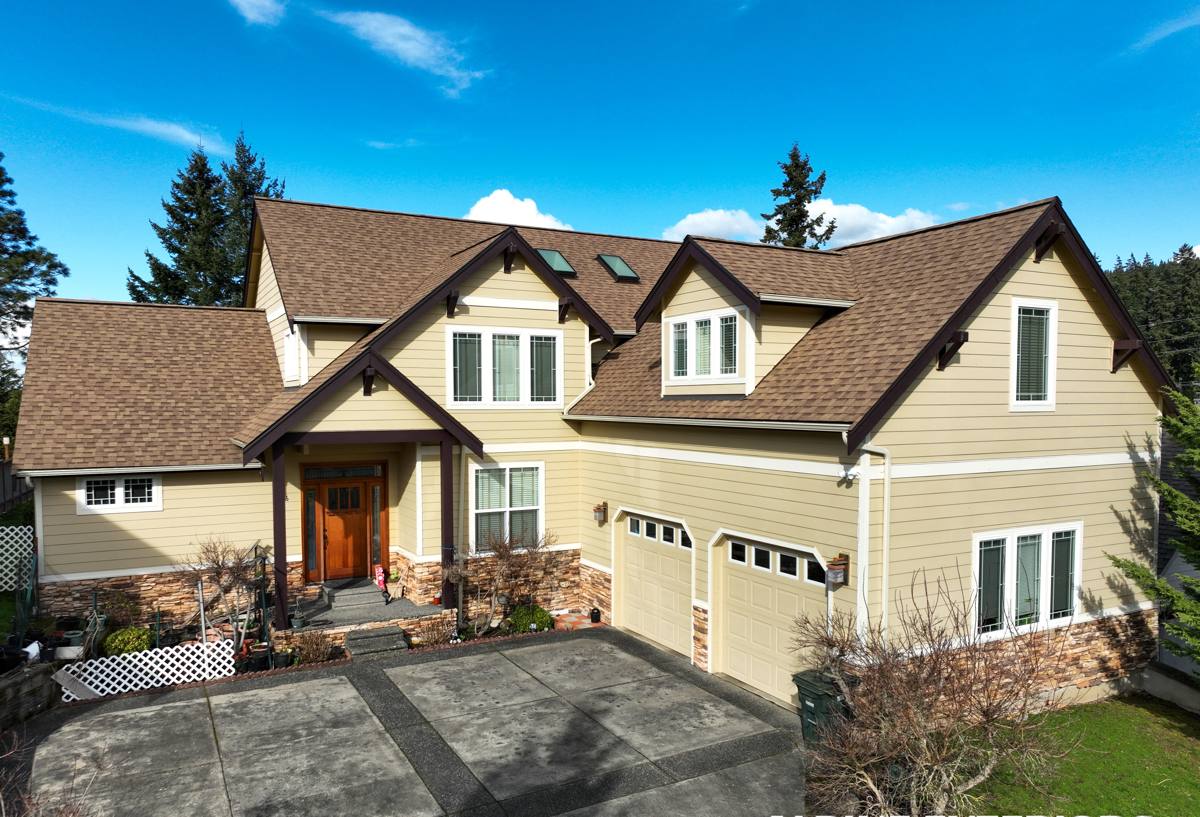
New Construction vs. Replacement: Why the Distinction Matters
New-construction windows and replacement windows aren't the same product installed the same way, and mixing up the two approaches is one of the more common mistakes on a build. New-construction windows carry a mounting flange around the frame that gets fastened directly to the rough opening — into stud framing on a wood-frame wall, or into the masonry with the right anchors on a concrete block (CBS) opening, which is how most first-floor construction in this part of Florida is built. That flange, combined with a correctly sequenced flashing and sealant detail, becomes part of the opening's drainage and weather barrier. Replacement or insert windows are built to go into an existing, already-finished opening without disturbing the surrounding stucco or siding, and they rely on a different sealing approach because the wall around them is already closed up.
On a new build, using a flanged, new-construction window installed at the correct stage — before stucco or siding closes the wall in — gives you access to build the flashing and sealant sequence properly, layer by layer, rather than caulking around the frame as an afterthought. That's the biggest advantage a new build has over a retrofit, and it's worth insisting the crew treat it as a sequence to follow, not a step to rush through on the way to stucco or siding.
What Largo's Climate Demands From a New Window Opening
Hurricane-Force Wind and Impact Requirements
Wind load isn't an abstract design number here — it's a real condition a window opening has to survive intact. New-construction windows in this area need to be rated for the wind pressures the Florida Building Code sets for this part of Pinellas County, and the anchoring pattern into the framing or block has to match the window's approved installation instructions exactly. An opening that's short a few anchors, or fastened with the wrong hardware, is the kind of shortcut that only becomes obvious during an actual storm.
Wind-Driven Rain and Flashing
Rain in a Gulf Coast storm rarely falls straight down. Wind pushes it sideways and even upward into window openings, which means the sill and the flashing sequence beneath every new window need a real drainage path outward, not just a bead of sealant. This is a detail that's far easier to get right on an open rough opening than it ever is once stucco or siding is in place.
Year-Round UV and Frame or Glass Degradation
Florida's UV exposure is among the most intense in the country, and it doesn't ease up seasonally the way it might further north. Unstabilized vinyl frames can chalk or discolor over years of that exposure, and glass packages without the right coatings let in more solar heat than a home's cooling system wants to fight. Specifying frame and glazing products actually built for sustained UV exposure matters more here than in most parts of the country.
Salt Air and Hardware Corrosion
Salt-tinged air moving in from the Gulf and Tampa Bay accelerates corrosion on window hardware, fasteners, and lower-grade flashing metal over time, even for homes that aren't sitting directly on the water. On a new build, that means specifying corrosion-resistant fasteners and flashing materials from the start, rather than discovering years later that budget hardware has started pitting and stiffening.
What a Correct New-Construction Window Install Involves
A window opening on a new build goes through a specific sequence, and skipping or reordering steps is how problems get built into a house that won't show up until a storm season or two later.
Rough Opening Prep — Block or Wood-Frame
The rough opening has to be square, plumb, and sized correctly to the window unit before anything else happens, whether it's framed in wood or formed in concrete block. An out-of-square masonry opening is far more work to correct than a framed one, which is exactly why it has to be checked before the window ever gets set.
Sill Pan and Flashing Sequence
A sill pan or sill flashing detail goes in first, sloped to shed any water that gets past the window outward and away from the opening rather than left flat to pool underneath the frame.
Setting the Window and Anchoring
The window is set into the opening, checked for level, plumb, and square, and anchored following the manufacturer's approved fastening schedule — masonry anchors driven to the correct depth and spacing on a block opening, or fasteners into solid framing on a wood-frame wall. This is also where the window's wind and impact rating actually gets realized; a correctly rated window with an incomplete anchor pattern doesn't perform to its rating.
Sealant, Backer Rod, and Stucco or Siding Integration
Around the perimeter of the flange, backer rod and a quality sealant close the gap between the window and the opening, and that sealant joint has to be detailed to work with whatever finish goes on next — stucco, fiber cement, or another siding — rather than fighting it. Getting this sequence right before the finish material goes on is what keeps water from tracking behind the wall for the life of the house.
Interior Sealing and Finish
Once the exterior sequence is complete, the interior gap between the frame and the rough opening gets sealed and finished without trapping moisture against the framing or block, keeping the assembly both efficient and dry from both sides.
Comparing Frame Options for New-Construction Windows Here
Budget, sun exposure, and how long you plan to stay in the home all factor into the right frame choice for a new build in this climate. Here's how the common options generally hold up.
| Frame Material | UV & Heat Behavior | Corrosion Resistance | Typical Maintenance |
|---|---|---|---|
| Vinyl (UV-stabilized) | Good when the product is formulated for high-UV climates; budget vinyl can chalk over time | Won't corrode; hardware quality still matters | Low; occasional track and weep-hole cleaning |
| Fiberglass | Dimensionally stable under heat and sun, holds color well | Excellent | Low |
| Aluminum | Handles heat and structural loads well; conducts heat into the frame | Needs a quality finish to resist salt-air corrosion long-term | Moderate |
| Wood, clad exterior | Attractive interior finish; clad exterior shields the wood from direct sun and moisture | Good if cladding stays intact | Moderate; interior finish upkeep only |
We'll walk you or your builder through which frame material fits the home's design, budget, and each elevation's sun exposure, rather than defaulting to whichever product is easiest to sell. A shaded side wall and a west-facing wall that takes full afternoon sun don't always call for the same answer.
Florida Building Code, Wind-Borne Debris Region, and Impact Ratings
Largo falls within Pinellas County's wind-borne debris region under the Florida Building Code, which means new-construction window openings here need to meet specific wind pressure and impact protection requirements — either impact-rated glazing or code-approved shutter protection at every opening. Impact-rated windows use a laminated glass interlayer that holds together when struck by wind-borne debris instead of shattering out of the frame, and once installed correctly, that protection is permanent — there's nothing to deploy or store before a storm. Non-impact windows paired with code-compliant shutters can also meet the requirement, but that approach depends on the shutters actually being closed before a storm arrives, which is a factor worth weighing for a home that may sit vacant during a hurricane warning.
Every window installed on a new build in Florida needs a valid Florida Product Approval number (or an accepted equivalent) tying it to the wind pressures and impact rating it was actually tested to meet, and we'll confirm that documentation matches the specific product going into each opening before it's installed, not after. Beyond the wind and impact requirements, current energy code sets minimum performance standards for U-factor and solar heat gain, and we'll go over the NFRC ratings on any window package so you know exactly what's being specified for your build.
How Our Process Works
New-construction window installs happen on a builder's timeline, which means coordination matters as much as the install work itself.
- Plan review and takeoff: We review the window schedule and rough opening sizes against the plans before framing or block work is finalized, so any discrepancy gets caught early instead of on install day.
- Scheduling with the framing and dry-in timeline: Windows go in at the correct point in the build sequence, after rough openings are ready and before stucco or siding closes the wall in.
- Sill flashing, window set, and anchoring: Each opening is prepped, the window is set square and plumb, and it's anchored per the manufacturer's approved fastening schedule for its wind and impact rating.
- Sealant and finish integration: The perimeter sealant joint is detailed to work with whatever stucco or siding finish is going on next, at every single opening, not just the ones that are easy to reach.
- Quality check before finish work: We walk every opening before stucco or siding crews start, since this is the last point where an anchoring or sealant issue can be corrected without disturbing finished exterior work.
- Final walkthrough: Once exterior finish work is complete, we check window operation, hardware, and visible seals with you or your builder.
Coordinating With Your Builder or General Contractor
Most new-construction window work in Largo happens as part of a larger build managed by a general contractor, and we're used to working within that structure rather than around it. That means showing up on the schedule the GC sets, communicating directly with the framing, masonry, and stucco crews about sequencing, and flagging any rough opening or anchoring issue immediately rather than letting it turn into a change order surprise later in the build. If you're a homeowner working with your own GC, we're glad to coordinate directly with them; if you're managing the build yourself, we can walk you through what needs to happen and when so nothing gets rushed or skipped.
A Practical Checklist for New-Construction Window Openings
- Are rough openings square, plumb, and sized correctly for the specified window units, whether framed in wood or block?
- Does each window carry a valid Florida Product Approval matching its wind and impact rating for this location?
- Is the sill flashing detail pitched to drain outward, not left flat?
- Is the window anchored per the manufacturer's approved fastening schedule, with corrosion-resistant hardware?
- Is the perimeter sealant joint detailed to integrate cleanly with the planned stucco or siding finish?
- Do the specified windows meet current Florida energy code U-factor and solar heat gain requirements?
- Has every opening been checked and signed off before stucco or siding crews close the wall in?
Why Hiring a Crew That Already Works Largo and Oldsmar Matters
A crew that regularly installs windows on new construction around Largo and Oldsmar has already seen how salt air corrodes underspecified hardware, how wind-driven rain finds its way through a poorly sequenced sill detail, and which elevations need extra attention because of afternoon sun exposure. That's practical knowledge that shows up in small decisions throughout the install — decisions a crew unfamiliar with Pinellas County's specific mix of wind, sun, and salt air might not think to make at all. It also means working with someone who knows how to fit into a builder's schedule without becoming the trade that holds up the rest of the job, and who's still around and reachable years later if a warranty question comes up.
If you're building a new home in Largo and want a window installer who will get the anchoring, flashing, and impact-rating details right the first time, we're glad to review your plans and walk through the process with you or your builder. Use the form below to request a free, no-pressure estimate.