 Oldsmar Siding
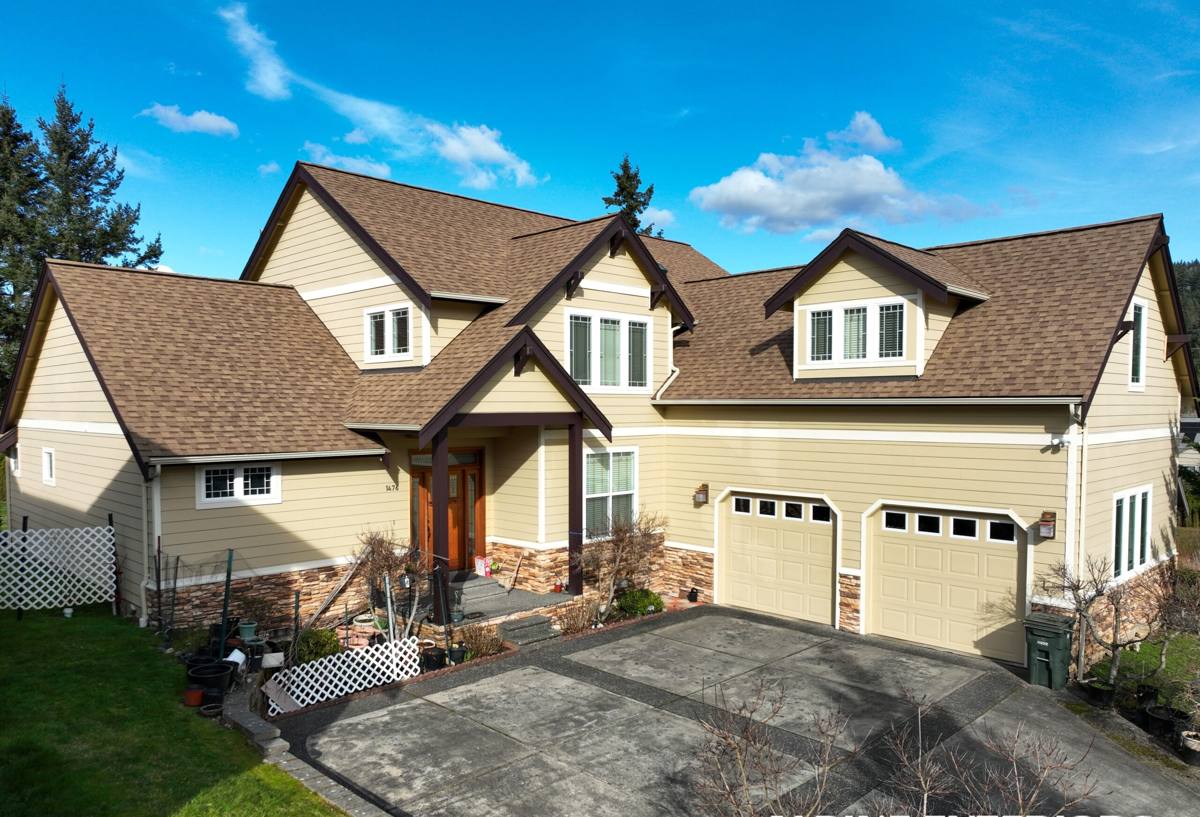
 New Roof Installation for Feather Sound Homes
Feather Sound sits in a stretch of Pinellas County shaped by water on nearly every side — Old Tampa Bay to the east, canals and retention ponds woven through the neighborhoods, and a tree canopy that's mature enough to matter when a storm comes through. Homes here range from single-family houses built decades ago to newer construction, and every one of them is carrying a roof that's up against the same combination of stressors: hurricane-force wind events, intense UV exposure nearly all year, wind-driven rain that finds any weak seam, and a steady dose of salt air drifting off the bay. A new roof installation in this area isn't just a cosmetic upgrade — it's the single most important weatherproofing decision a homeowner makes.
We install new roofs for Feather Sound homeowners because we work this specific corner of Oldsmar regularly, not as a one-off drive-in job. That matters more than it sounds like it should. A crew that knows the wind exposure on the bay side of the neighborhood versus the more sheltered interior streets, that's dealt with the local permitting office before, and that understands how the salt air here ages materials differently than it does ten miles inland — that crew makes fewer assumptions and fewer mistakes.
What Feather Sound's Climate Actually Does to a Roof
Wind Load
Feather Sound isn't directly oceanfront, but its position near Old Tampa Bay means it still catches meaningful wind during tropical systems and even routine summer storms. Wind doesn't just push down on a roof — it creates uplift at edges, ridges, and corners, which is exactly where poorly fastened shingles or under-specified underlayment fails first. A new roof installed to current Florida Building Code wind provisions accounts for this from the start, rather than relying on repairs to patch weak spots after the fact.
UV Exposure
Florida sun is relentless, and it doesn't take a break in the off-season. UV breaks down the oils and resins in roofing materials over time, which is why a roof that looks fine from the ground can already be brittle and losing granule protection underneath. This is a slow, cumulative process — it's also one of the main reasons roofs in this climate rarely make it to the higher end of their rated lifespan without close attention to material quality and ventilation.
Wind-Driven Rain
Rain that falls straight down is easy to shed. Rain that's being pushed sideways by 40-60 mph gusts finds its way under shingle laps, around penetrations, and into any gap in flashing that a rushed installation left behind. This is why underlayment selection and flashing detail work matter as much as the shingle or metal on top — most leaks after a storm trace back to these details, not to the visible roofing surface itself.
Salt Air
Being close to Old Tampa Bay means airborne salt settles on roofing surfaces and accelerates corrosion on anything metal — fasteners, flashing, drip edge, vents. Over years, this can quietly undermine components that were never designed with coastal-adjacent exposure in mind. Choosing corrosion-resistant fasteners and flashing at installation time is a small cost that avoids a much bigger one later.
Signs a Feather Sound Roof Needs Replacing, Not Patching
- Granule loss showing up in gutters or at the base of downspouts after normal rain, not just after a storm
- Shingles that are curling, cupping, or visibly brittle when walked (our crew checks this, not something to test yourself)
- Multiple past repairs in different areas of the roof rather than one isolated issue
- Visible sagging along the roofline or soft spots noticeable from the attic
- Daylight visible through the roof deck from inside the attic
- A roof approaching or past 18-20 years old, regardless of how it looks from the ground
- Rising energy bills that track with a roof's age, suggesting failing ventilation or insulation performance
If a roof is showing two or more of these, patch repairs are usually a delay tactic rather than a fix. We'll tell you honestly which category your roof falls into during an inspection — we don't have a reason to push a full replacement on a roof that has real years left in it.
What a Correct New Roof Installation Involves
Tear-Off and Deck Inspection
We remove the existing roofing down to the deck rather than layering over it. This is the only way to actually see the condition of the plywood or OSB underneath — soft, delaminated, or water-stained deck sections get replaced before anything new goes down. Installing new roofing over a compromised deck is one of the most common shortcuts that leads to early failure, and it's not one we take.
Underlayment and Flashing
Given the wind-driven rain this area sees, we pay particular attention to underlayment coverage and flashing at every valley, wall intersection, and penetration — vent stacks, chimneys, skylights. This layer does more of the actual waterproofing work than most homeowners realize, and it's largely invisible once the job is done, which is exactly why it needs to be done right the first time.
Fastening to Code
Shingles, tile, or metal panels get fastened according to current Florida Building Code wind requirements for this region — nailing patterns and fastener counts aren't optional extras, they're the difference between a roof that holds through a wind event and one that doesn't.
Ventilation
Proper attic ventilation reduces heat buildup that accelerates material aging from the underside, and it helps manage moisture that can otherwise condense and rot the deck over time. We check existing ventilation and correct it as part of the installation rather than leaving an underventilated attic under a brand-new roof.
Final Inspection and Cleanup
Every job gets a final walk-through before we consider it finished, along with a magnetic sweep of the property to catch stray nails and debris. A roof replacement is disruptive enough without leaving a mess behind.
Material Options for This Climate
There's no single "best" roofing material for Feather Sound — it depends on the home's structure, budget, and the homeowner's priorities around longevity versus upfront cost. Here's how the common options stack up against the specific stresses this area deals with:
| Material | Wind Performance | UV/Sun Durability | Salt Air Resistance | Typical Lifespan |
|---|---|---|---|---|
| Architectural Asphalt Shingle | Good when properly fastened to code | Moderate — granule loss over time | Good with corrosion-resistant fasteners | 18-25 years |
| Standing Seam Metal | Very good, minimal uplift points | Excellent, doesn't degrade like organic materials | Very good with coated/coastal-rated finishes | 40-50+ years |
| Concrete/Clay Tile | Good with correct fastening and underlayment | Excellent, largely UV-inert | Good, though mortar and flashing need attention | 40-50+ years |
| 3-Tab Asphalt Shingle | Fair, lower wind rating than architectural | Lower — ages faster in constant sun | Fair | 15-20 years |
We'll walk through which of these fits your home's structure, your budget, and how long you plan to own the property — there's a real difference between the right roof for a forever home and the right roof for a home you'll sell in five years, and that's a legitimate factor in the decision.
Our Process, Start to Finish
- Free on-site inspection and honest assessment of whether you need a full replacement or targeted repair
- Written estimate with material options and a clear scope of work — no vague line items
- Permit pulled through the appropriate local authority before any work begins
- Tear-off, deck inspection and repair as needed, then underlayment and flashing installation
- New roofing material installed to current wind code specifications
- Final inspection, cleanup, and walkthrough with the homeowner
We keep homeowners informed at each stage rather than disappearing until the job is "done." If deck damage turns up mid-project, you'll hear about it directly, with photos and a clear cost explanation, before we move forward.
Why a Local Feather Sound Crew Matters
Roofing crews that only pass through an area occasionally tend to apply a generic approach — the same materials and fastening patterns they'd use anywhere in the state. A crew that regularly works Oldsmar and the surrounding Pinellas County communities has a working sense of how this specific mix of bay-adjacent wind exposure, humidity, and salt air behaves over years, not just how it looks on installation day. That translates into better material recommendations, more attentive flashing work in the spots that actually leak, and a level of accountability that comes from being a known, reachable presence in the community rather than a name on a truck that was here once.
It also means faster response if something needs a second look after a storm — we're not driving in from another county to get to you.
Get a Free, No-Pressure Estimate
If your Feather Sound roof is showing its age, took a hit in the last storm season, or you just want an honest opinion on how much life it has left, we're glad to take a look. The estimate is free, there's no obligation, and you'll get a straight answer about whether you need a new roof now, in a few years, or not at all. Use the form below to get started.