 Oldsmar Siding
 New Roof Installation in Tampa: Built for This Coastline, Not a Generic Climate
A roof in the Tampa area does a different job than a roof almost anywhere else in the country. It has to shed torrential, wind-driven rain during summer storms, shrug off gusts from tropical systems that can arrive with little warning, take a beating from UV exposure that runs nearly twelve months a year, and resist the slow corrosion that salt-laden air carries inland from the Gulf. None of that is theoretical — it's the baseline condition every roof on this side of Pinellas County lives under. A new roof installation that doesn't account for all four of those stresses at once isn't really built for Tampa; it's a roof that happens to be sitting in Tampa.
This page is about one job, done right, in one area: a full new roof installation for homes in the Tampa area, installed by a crew that is already familiar with the wind loads, permitting expectations, and building patterns common to Pinellas County homes.
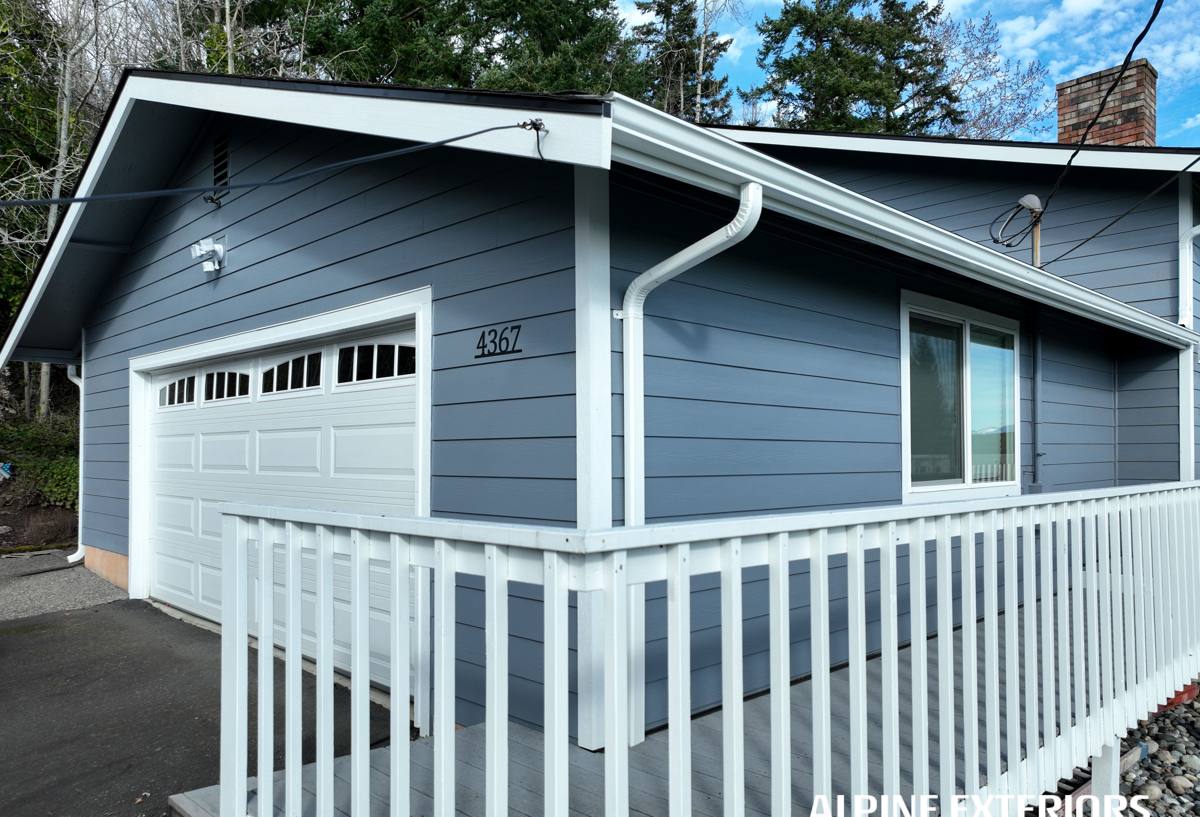
What Tampa-Area Weather Actually Does to a Roof
Wind
Hurricane-force and tropical-storm-force winds put uplift pressure on every edge, ridge, and field course of a roof. Most roof failures in a windstorm don't start in the middle of the roof — they start at the edges, where fastening, flashing, and drip edge detail matter most. A roof that's correctly installed to current wind-resistance standards behaves very differently in a storm than one that technically "passed" a quick nailing job.
UV and Heat
Year-round sun exposure breaks down roofing materials from the top down. Asphalt shingles lose their granules and oils over time, sealants dry out and crack, and attic temperatures climb high enough to shorten the life of underlayment that isn't rated for it. A roof here ages on a faster clock than the same roof would in a milder climate.
Wind-Driven Rain
Tampa-area storms rarely deliver rain straight down. Wind pushes water sideways and upward under shingle edges, around penetrations, and into any gap in flashing. This is why underlayment choice and flashing detail matter as much as the visible roofing material — most leaks that show up during a storm trace back to a weak point that a slow, straight-down rain would never have exposed.
Salt Air
Proximity to Tampa Bay and the Gulf means airborne salt reaches roofs and metal components well inland of the immediate coastline. Fasteners, flashing, and any exposed metal need to be rated for a corrosive environment, or they'll fail years before the rest of the roof does.
Signs a Tampa-Area Roof Needs Replacement, Not Another Repair
Not every roofing problem calls for a full tear-off. But there's a point where patching a roof costs more over time than replacing it, and where continuing to repair actually increases risk. Common signs it's time to talk about a new roof rather than another repair:
- The roof is nearing or past the manufacturer's expected service life for its material and local exposure conditions
- Granule loss is heavy enough that you can see bare or shiny patches on shingles from the ground
- Multiple past repairs are scattered across different areas of the roof rather than one isolated spot
- Decking feels soft, spongy, or shows staining when viewed from the attic
- Flashing around chimneys, vents, or wall intersections is visibly lifted, cracked, or rusted
- A recent storm caused wind or impact damage significant enough to affect the roof's structural integrity, not just its appearance
- Energy bills have crept up in a way that tracks with declining attic ventilation or insulation performance under an aging roof
If only one or two of these apply and the roof is otherwise sound, a targeted repair may still be the right call — we'll tell you that honestly during an inspection rather than pushing a full replacement that isn't needed yet.
What a Correct New Roof Installation Actually Involves
"New roof" covers a lot of ground, and the difference between a roof that performs for its full expected lifespan and one that fails early usually comes down to steps that aren't visible once the job is finished.
Tear-Off and Deck Inspection
A full tear-off removes the old roofing material down to the deck, which is the only way to actually inspect the plywood or OSB underneath for rot, delamination, or soft spots. Skipping this step — installing over an existing layer — hides problems instead of fixing them and voids most manufacturer warranties.
Deck Repair
Any damaged decking gets replaced before anything else goes down. A new roof over a compromised deck won't hold fasteners properly and won't perform under wind load no matter how good the shingles or underlayment are.
Underlayment and Water Barrier
Given how much wind-driven rain this area sees, underlayment choice matters. A synthetic or self-adhering underlayment at vulnerable areas — valleys, eaves, around penetrations — gives a real second line of defense if wind ever drives water past the primary roofing material.
Flashing
New flashing at every roof-to-wall intersection, chimney, skylight, and vent penetration, using corrosion-resistant metal appropriate for a salt-air environment. Reusing old flashing to save time is one of the most common shortcuts that leads to early leaks.
Field Installation and Fastening
Correct nailing pattern, nail placement, and fastener count matter more here than in most parts of the country, because they're what determines how the roof performs in high wind. This is also where installation quality is easiest to shortcut and hardest for a homeowner to verify after the fact — which is part of why choosing the right crew matters.
Ventilation
Proper intake and exhaust ventilation keeps attic temperatures and moisture in check, which extends the life of the roofing material and the decking underneath it, and helps keep cooling costs reasonable through the summer.
Roofing Material Options for Tampa-Area Homes
There's no single "best" roofing material for Pinellas County — the right choice depends on the home's structure, the homeowner's budget, and how much long-term maintenance they want to take on. Here's an honest comparison of the materials most commonly installed on homes in this area:
| Material | Wind Performance | Typical Lifespan Here | Maintenance |
|---|---|---|---|
| Architectural (laminate) shingles | Strong when installed to current wind-rating standards | Roughly 20-25 years in this climate | Low to moderate; periodic inspection after storms |
| 3-tab shingles | Lower wind resistance than architectural shingles | Shorter than architectural in coastal exposure | Low; more prone to early granule loss under UV |
| Metal roofing | Excellent wind and impact resistance when properly fastened | Longest of common options, often 40+ years | Low; higher upfront cost |
| Concrete or clay tile | Very good when correctly fastened and underlayment is sound | Long-lived tile itself, but underlayment needs earlier attention | Moderate; individual tiles can crack from impact |
We install what's right for the structure and the homeowner's goals rather than pushing one material across every job. Where we steer homeowners away from a lower-tier option, it's a straightforward trade-off conversation about wind rating, maintenance burden, or long-term cost — not a claim that any particular product is defective.
Building Code and Wind Mitigation Considerations in Pinellas County
Roofing work in this area is governed by the Florida Building Code, which sets minimum wind-resistance and fastening standards for coastal wind zones. A properly permitted, inspected new roof installation isn't just a formality — it's what determines whether the roof actually performs the way it's rated to.
It's also worth knowing that a new roof, installed to current code with documented wind mitigation features (proper fastening, roof-to-wall connections, secondary water barrier, and impact-rated components where applicable), can qualify a Tampa-area home for a wind mitigation inspection that may lower windstorm insurance premiums. We handle the permitting and can point you toward a wind mitigation inspector once the roof is complete — that inspection itself is a separate, licensed service.
Our Installation Process, Start to Finish
1. Inspection and Estimate
We look at the roof in person — deck condition, existing material, flashing points, ventilation, and any storm damage — and put together a written estimate that spells out materials, scope, and timeline.
2. Permitting
We pull the required permit before work begins. This isn't optional paperwork; it's what triggers the inspections that confirm the roof meets current wind and building code standards.
3. Material Delivery and Protection
Materials are staged and landscaping, siding, and outdoor living areas are protected before tear-off starts.
4. Tear-Off and Deck Inspection
Old roofing comes off down to the deck, the deck is inspected, and any damaged sections are replaced.
5. Dry-In
Underlayment and water barrier go down the same day the deck is exposed wherever possible, so the home isn't left vulnerable to an unexpected afternoon storm overnight.
6. Flashing and Field Installation
New flashing goes in at every penetration and intersection, followed by the roofing material itself, installed to the fastening pattern the wind zone requires.
7. Cleanup and Final Inspection
Job site is cleaned, including a magnetic sweep for stray nails, and the work is signed off by the permitting authority's inspector before we consider the job complete.
Why a Crew That Already Works in the Tampa Area Matters
Roofing crews unfamiliar with Pinellas County sometimes treat this as a standard installation and apply fastening or underlayment practices suited to a milder climate. A crew that already works Tampa-area homes regularly understands the wind zone requirements, has a working relationship with local permitting offices, and knows what inspectors here actually check for — which keeps the project moving instead of stalling on avoidable corrections.
There's also a practical, storm-season argument for hiring local: if a system moves through and something needs attention afterward, a crew based in Oldsmar can respond quickly. A company with no local presence may not prioritize a callback the same way.
After Installation: Keeping a New Roof Performing
A correctly installed roof still benefits from basic upkeep, especially in this climate. A simple homeowner checklist:
- Have the roof visually inspected after any major storm, even if there's no obvious interior sign of a problem
- Keep gutters and downspouts clear so water isn't backing up under the roof edge
- Trim back overhanging branches that can drop debris or abrade roofing material in wind
- Check attic ventilation isn't blocked by insulation or debris
- Address any small leak or lifted shingle promptly rather than waiting for it to spread
- Keep a copy of your permit, warranty documents, and wind mitigation paperwork somewhere accessible for insurance purposes
If your Tampa-area roof is aging, was damaged in a recent storm, or you just want an honest opinion on whether repair or replacement makes more sense, we're happy to take a look. Fill out the form below for a free, no-pressure estimate — no obligation, no pressure, just a straight answer about what your roof actually needs.