 Oldsmar Siding
 Siding Repair in Palm Harbor: A Different Set of Problems Than Inland Florida
Palm Harbor sits close enough to the Gulf that homes here take on a combination of stresses most inland Florida neighborhoods never see at the same intensity. Salt-laden air moves in off the water, afternoon storms drive rain sideways into wall assemblies, and the sun sits high and strong for most of the year. Add the occasional tropical system with sustained hurricane-force wind, and siding in this part of Oldsmar and greater Pinellas County ages differently than siding fifty miles inland. Repairs that would be simple cosmetic fixes elsewhere often turn out to be moisture problems in disguise once we get a panel open.
This page is specifically about siding repair for homes in and around Palm Harbor — not a general "siding repair" overview. The damage patterns, the correct fixes, and the reasons a repair holds up or fails again in eighteen months are all shaped by this exact stretch of coastline.
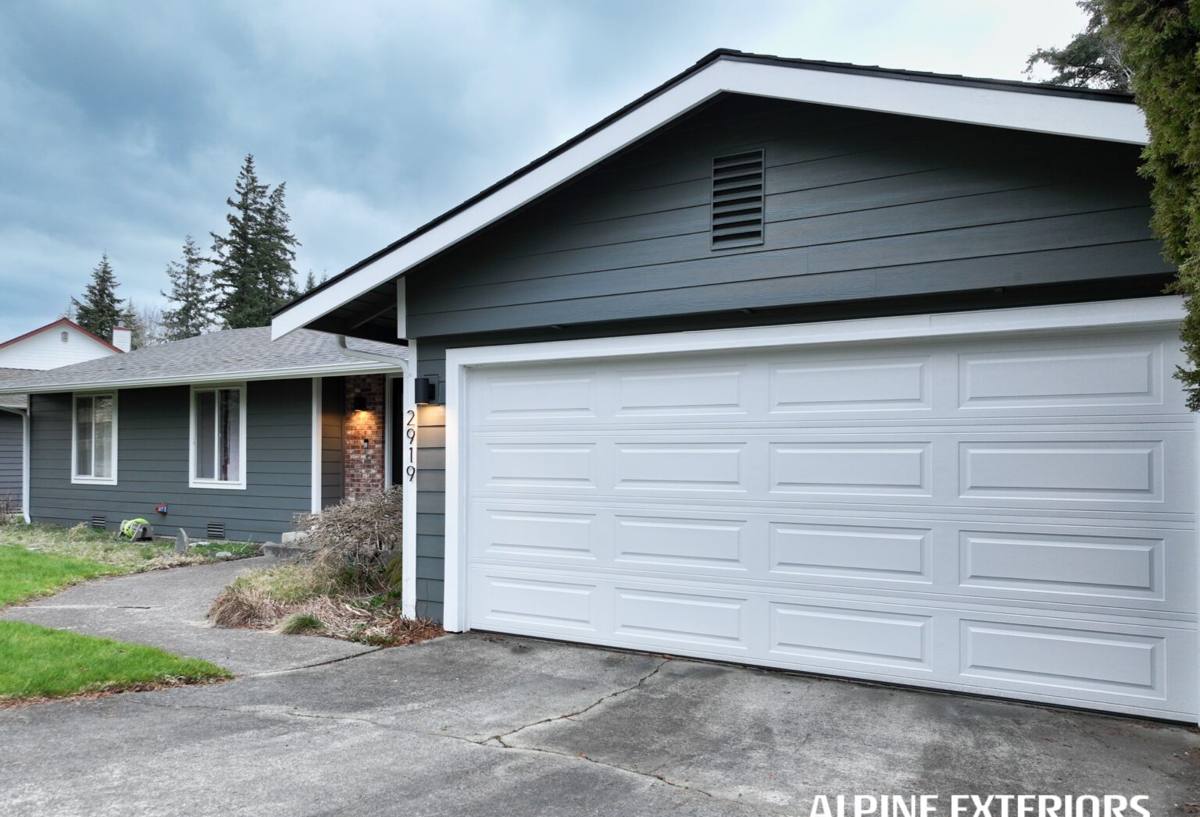
The Damage We Actually Find on Palm Harbor Homes
Wind-Driven Rain Intrusion
Wind-driven rain doesn't fall straight down — it gets pushed sideways into laps, seams, and trim joints that were never designed to shed water at that angle. On many homes we inspect, the visible symptom is a stained or bubbling patch of siding, but the real damage is behind it: wet sheathing, compromised house wrap, or trim that's held moisture against the wall for months.
UV and Heat Cycling
Intense, near year-round UV breaks down caulking, fades unprotected finishes, and dries out wood fiber and lap joints faster than in cooler climates. Siding that looks fine from the street can have brittle caulk lines and hairline cracks that only show up on close inspection.
Salt Air Corrosion
Proximity to the Gulf means salt air reaches further inland than most homeowners assume. Fasteners, flashing, and trim hardware corrode faster here, and corroded fasteners are one of the most common hidden causes of loose or failing siding panels we find during repair calls.
Wind Load Damage
Hurricane-force wind events don't need to be a direct hit to cause damage. Sustained gusts can work fasteners loose, crack panels at the nail line, or peel siding at corners and edges where wind uplift concentrates. Damage from a storm eight months ago sometimes doesn't show up as a leak until the next heavy rain finds the opening.
Repair or Replace? How We Make That Call
Not every damaged section needs to come off the house, and not every homeowner needs to hear "you need a full re-side" from a contractor trying to upsell a bigger job. We look at the extent of the damage, whether the underlying wall assembly is still dry and sound, and whether the siding brand and profile can still be matched.
| Sign | Repair Is Usually Enough | Full Replacement Should Be Considered |
|---|---|---|
| Isolated cracked or missing panel | Yes, if sheathing behind it is dry | No, unless damage is widespread |
| Soft or spongy wall when pressed | Rarely — usually signals rot | Yes, once moisture has reached the sheathing |
| Fading limited to a few panels | Sometimes, if color match is close | Consider if fading is uneven across the whole wall |
| Recurring leaks in the same spot | No — patch repairs will fail again | Yes, the root cause needs to be addressed |
| Siding is 20+ years old and brittle throughout | Not cost-effective long-term | Yes |
The honest answer, most of the time, is that a well-executed repair is the right call for isolated, recently discovered damage. Full replacement becomes the smarter investment when moisture has already reached the wall assembly, when the original material is too degraded to match, or when repairs keep recurring in the same location.
What a Correct Siding Repair Actually Involves
Diagnosis Before Demolition
A repair that only addresses what's visible from the ground is a repair that will need to be redone. Before we replace anything, we check the condition of the sheathing, house wrap, and flashing behind the damaged section. If there's moisture intrusion, patching over it just traps the problem.
Correcting the Cause, Not Just the Symptom
If a panel cracked because a fastener was driven too tight, or a section is rotting because trim flashing was installed backward, replacing the siding without fixing the underlying detail guarantees the same failure returns. Every repair we do addresses the cause first.
Matching Material and Finish
Where the home is already sided in James Hardie fiber cement, matching is straightforward — Hardie's ColorPlus factory finish and consistent product lines make it possible to blend a repaired section into the surrounding wall with minimal visual difference. Where the existing material is something we don't install — vinyl, LP SmartSide, cedar, or a primed wood product — an exact match often isn't available, and we'll tell you that plainly rather than pretend a patch will look seamless.
Proper Fastening and Clearances
Repairs are only as good as the install standard behind them: correct nailing patterns, proper clearance from grade, decks, and roof lines, and flashing details that shed water outward rather than trapping it. This matters more here than in drier climates, because any shortcut shows up faster under Gulf-coast weather.
Our Palm Harbor Repair Process
- On-site inspection — we look at the damaged area and the surrounding wall, not just the spot you called about.
- Moisture and sheathing check — we confirm whether water has reached beyond the siding itself.
- Honest repair-vs-replace recommendation — in writing, with the reasoning explained, not just a number.
- Material sourcing and matching — for Hardie siding, we match product line, profile, and ColorPlus finish as closely as possible.
- Correct installation — flashing, fastening, and clearances done to manufacturer and code standard, not just "close enough."
- Final walkthrough — we point out what we found and what we did, so you know exactly what's now behind your wall.
Why a Crew That Already Works Palm Harbor Matters
Siding repair in this part of Pinellas County isn't generic exterior work. A contractor who regularly works Palm Harbor and the surrounding Oldsmar area already knows which wall orientations take the worst wind-driven rain, which older subdivisions were built with siding details that don't hold up to salt air, and what Pinellas County's permitting and wind-code requirements expect for exterior repair work following storm damage. That local pattern-recognition is the difference between a repair that gets it right the first time and one that treats every house as a blank slate.
It also matters for response time. Storm damage doesn't wait for a convenient week, and a crew based in the area can get eyes on a damaged section faster than one dispatching from across the bay.
Why We Only Repair and Replace With James Hardie
When a repair does call for new material — because the damaged section can't be salvaged, or because recurring failures point to a full section replacement — our recommendation is James Hardie fiber cement, and it's the only siding product we install. Hardie is non-combustible, engineered for hot, humid, storm-exposed climates through its HZ product lines, and backed by a factory ColorPlus finish that holds color far longer than field-applied paint under intense Florida UV. It also carries a strong transferable warranty, which matters on a coastal home where the next owner will want the same protection you paid for. We won't install vinyl, LP SmartSide, Cemplank, Allura, or unprimed wood siding as part of a repair, because we don't think they hold up to this climate as well as fiber cement done right — and we'd rather tell you that upfront than sell you a fix we don't believe in.
After the Repair: A Simple Maintenance Checklist
- Rinse salt residue off exterior walls periodically, especially after dry spells followed by heavy rain
- Inspect caulk lines at trim and window joints once a year for cracking or gaps
- Walk the perimeter after any major storm and look for lifted panels, loose fasteners, or fresh staining
- Keep sprinklers and irrigation from spraying directly onto siding walls
- Have any recurring stain or soft spot checked promptly — the earlier moisture is caught, the smaller the repair
Get an Honest Look at What Your Siding Needs
If you're seeing a cracked panel, a stained wall, or siding that's come loose after a storm, it's worth getting an honest inspection before deciding whether it's a patch job or something bigger. We'll walk your home, tell you what we actually find, and give you a straightforward recommendation — no pressure, no upsell. Reach out for a free estimate using the form below.