 Oldsmar Siding
 Palm Harbor Siding Has to Handle a Lot
Palm Harbor sits in a part of Pinellas County where houses take a beating year-round, even when there's no storm in the forecast. Between the hurricane-force wind gusts that come through during tropical systems, the wind-driven rain that gets forced sideways into wall assemblies, the near-constant UV exposure, and the salt-laden air moving in off the water, exterior siding here is under more stress than siding almost anywhere inland. A product or installation method that would be fine in a milder climate can fail early in Palm Harbor if it isn't matched to these conditions.
We're an Oldsmar-based crew, and Palm Harbor is one of the areas we work in regularly — not as an occasional job we drive in for, but as part of our normal service area. That matters more than most homeowners realize, and we'll explain why later on this page. First, let's talk about what actually goes wrong with siding here, and what a correct replacement job looks like.
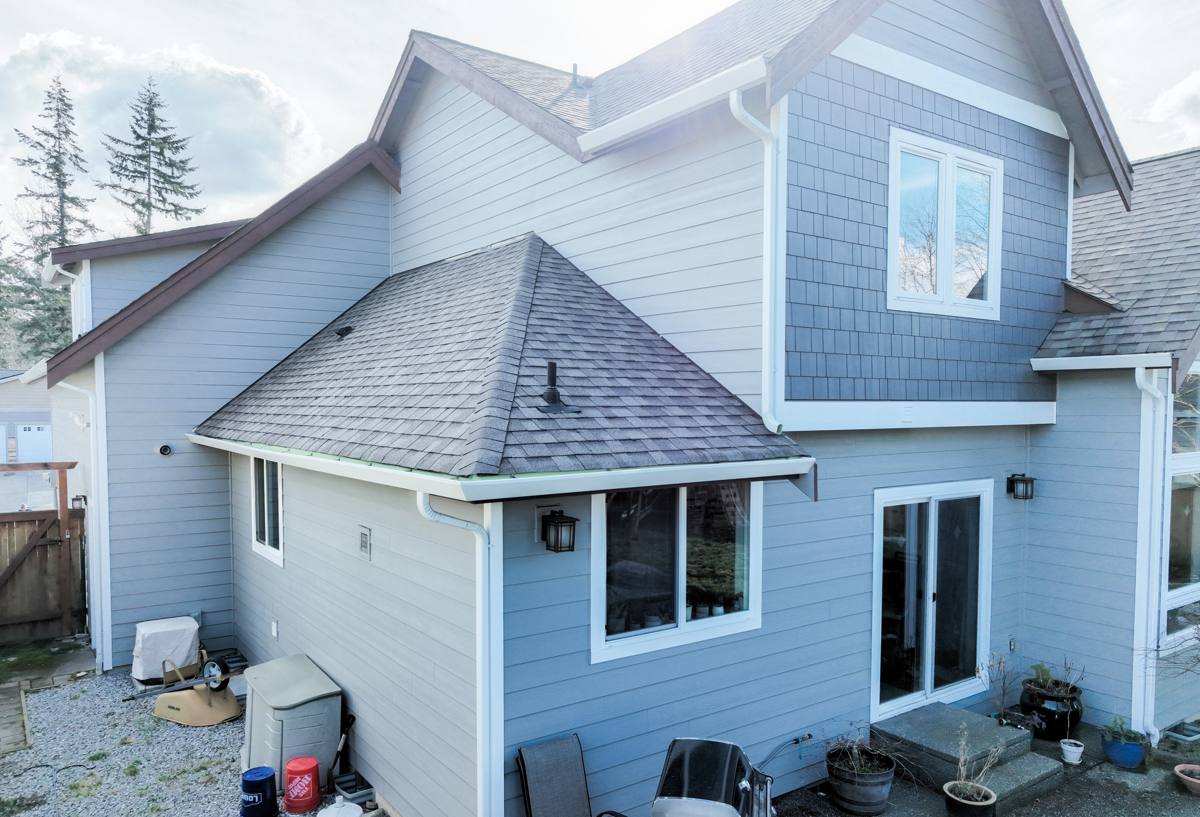
What This Climate Does to Siding Over Time
Every siding material reacts differently to heat, moisture, and salt, but the failure patterns we see most often in this area come down to a few consistent stressors:
- Wind-driven rain: During tropical storms and heavy summer downpours, rain doesn't just fall — it's pushed horizontally into walls, seams, and trim joints. Siding and the water-resistive barrier behind it have to work together to keep that moisture out.
- UV exposure: Florida sun is intense and consistent for most of the year. Paint finishes chalk, fade, and break down faster here than in northern climates, and materials that aren't dimensionally stable can warp or crack under repeated heat cycling.
- Salt air: Proximity to Tampa Bay and the Gulf means airborne salt settles on exterior surfaces. It accelerates corrosion of fasteners and hardware and can degrade certain coatings and substrates faster than in inland areas.
- Humidity and moisture cycling: Pinellas County's humidity means siding rarely gets to fully dry out between rain events. Materials that absorb and hold moisture are more prone to rot, swelling, and paint failure over time.
None of this means siding replacement in Palm Harbor is unusually complicated — it just means the material choice and installation details matter more here than they would somewhere with a gentler climate.
Signs Your Palm Harbor Home Is Due for Siding Replacement
Siding doesn't usually fail all at once. It shows warning signs first, and catching them early can be the difference between a straightforward replacement and a job that also has to deal with water-damaged sheathing underneath.
- Visible cracking, buckling, or warping in panels or boards
- Soft spots when you press on the siding, especially near the bottom courses or around windows
- Paint that's peeling, bubbling, or failing faster than a typical repaint cycle would suggest
- Gaps opening up at seams, corners, or trim joints
- Visible staining or streaking that suggests water is tracking behind the siding rather than off of it
- A musty smell or signs of moisture on interior walls that back up to exterior siding
If you're seeing more than one of these, it's worth having the siding and the wall assembly behind it inspected before deciding whether repair or full replacement makes sense.
What a Correct Siding Replacement Job Actually Involves
Siding replacement is often talked about like it's just swapping old panels for new ones. In a climate like this, that's not enough. The materials you can see are only part of the system — what's underneath and how everything is fastened together determines whether the job holds up through the next decade of Florida weather.
Tear-Off and Substrate Inspection
Once the old siding comes off, we inspect the sheathing and framing underneath before anything new goes up. This is the point where hidden water damage, rot, or compromised framing gets found — and it needs to be addressed before new siding goes on, not covered up. Skipping this step is one of the most common shortcuts in siding work, and it's how homeowners end up with new siding over a wall that's already failing.
Weather-Resistive Barrier and Flashing
Behind every properly installed siding system is a water-resistive barrier that manages any moisture that gets past the exterior surface. Flashing around windows, doors, and other penetrations directs water away from vulnerable seams. In a market with regular wind-driven rain, gaps or shortcuts in this layer are where leaks start — even when the siding itself looks fine from the outside.
Fastening and Clearances
Fastener spacing, type, and placement affect how well siding holds up to wind uplift, and corrosion-resistant fasteners matter more here because of salt air. Proper clearance from grade, roof lines, and decks also keeps siding out of standing water and constant moisture contact, which is one of the most common causes of premature rot at the bottom courses of a wall.
Why We Install Only James Hardie Fiber Cement
We don't install vinyl, LP SmartSide, primed wood, or other fiber cement brands. That's a deliberate standard, not a limitation on what's available to us. James Hardie's fiber cement siding is non-combustible, engineered to resist moisture-related swelling and rot in ways that wood-based and vinyl products can't match, and it holds paint and factory-applied ColorPlus finishes far longer under intense UV exposure than most alternatives. Hardie also produces climate-specific HZ product lines engineered for humid, high-moisture regions like ours.
Other siding materials aren't inherently bad products — they're built to different priorities, and some of those trade-offs (lower upfront cost, lighter weight, easier DIY handling) matter to some homeowners. But when we weigh those trade-offs against what this specific climate does to a home over 15, 20, or 30 years, fiber cement from a manufacturer with a strong transferable warranty and a track record in coastal, high-UV environments is what we're willing to put our name behind. It's the only siding system we install.
Our Siding Replacement Process
Every job follows the same core sequence, adjusted for the specific house:
- On-site assessment — we look at the existing siding, trim, and any visible signs of moisture or damage before quoting anything.
- Tear-off and inspection — old siding comes off, and the sheathing and framing get checked before we move forward.
- Repairs as needed — any damaged sheathing or framing is addressed, with the scope communicated to you before we proceed.
- Weather barrier and flashing installation — this layer goes in correctly before a single piece of new siding is hung.
- Hardie siding installation — installed to manufacturer specification for fastening, spacing, and clearance.
- Trim, caulking, and finish work — the details that determine how clean and weathertight the final job looks and performs.
- Final walkthrough — we go over the finished work with you before calling the job done.
Cost Factors for Siding Replacement
Every home is different, but these are the main variables that drive cost on a siding replacement project:
| Factor | Why It Matters |
|---|---|
| Home size and wall complexity | More square footage and more corners, gables, and trim details mean more labor and material |
| Condition of the substrate | Rot or water damage found during tear-off adds repair scope before new siding can go up |
| Siding profile and accessories | Board-and-batten, trim styles, and accessory pieces vary in material and labor cost |
| Site access | Fencing, landscaping, or tight lot lines can slow down tear-off and material staging |
| Existing paint or coating removal | Some substrates require extra prep work before disposal or reinstallation |
We won't quote a number without seeing the house, but we can walk you through where your project falls on each of these factors during a free estimate.
Why a Crew That Already Works Palm Harbor Matters
Siding work in this area isn't just about the material — it's about knowing the practical realities of building here. A crew that regularly works Palm Harbor and the surrounding Oldsmar area already understands Pinellas County's wind-load building requirements, has experience navigating local permitting, and knows what correct installation looks like specifically for homes exposed to Tampa Bay's weather patterns. That local familiarity shows up in scheduling, in how quickly questions get answered, and in fewer surprises once a project is underway.
It also means we're not learning the area on your project. We've seen how siding performs on homes in this part of the county after a few storm seasons, and that experience shapes how we approach flashing, fastening, and material choices on every job we take on here.
What to Ask Before You Hire a Siding Contractor
- Are they licensed and insured to work in Pinellas County?
- Will they inspect the sheathing before installing new siding, not just cover what's there?
- What weather-resistive barrier and flashing details do they use, and can they explain why?
- Do they install to the manufacturer's written specifications for fastening and clearance?
- What's covered under warranty — the material, the labor, or both — and for how long?
- Can they explain, in plain terms, why they recommend the product they're proposing?
If a contractor can't answer these clearly, that's worth paying attention to before signing anything.
If your Palm Harbor home's siding is showing wear, or you're just planning ahead, we're happy to take a look and give you a straightforward, no-pressure estimate. Use the form below to get started.