 Oldsmar Siding
 Roof Repair Built for This Neighborhood
Homes in and around golf course communities like Tampa Bay Golf and Country Club tend to share a few things in common: they were often built to a similar era of construction standards, they sit close to open fairways and water features with little windbreak, and many carry tile, low-slope lanai, or pool-cage-adjacent roofing that takes a different kind of beating than a typical subdivision roof. Repairing a roof correctly in this setting means understanding those shared traits, not just patching whatever is leaking today.
We work on homes throughout Oldsmar and the surrounding Pinellas County area, and golf community roofs are a regular part of that work. This page covers what roof repair actually involves for houses in this neighborhood, what tends to go wrong first, and how to tell a real fix from a temporary patch.
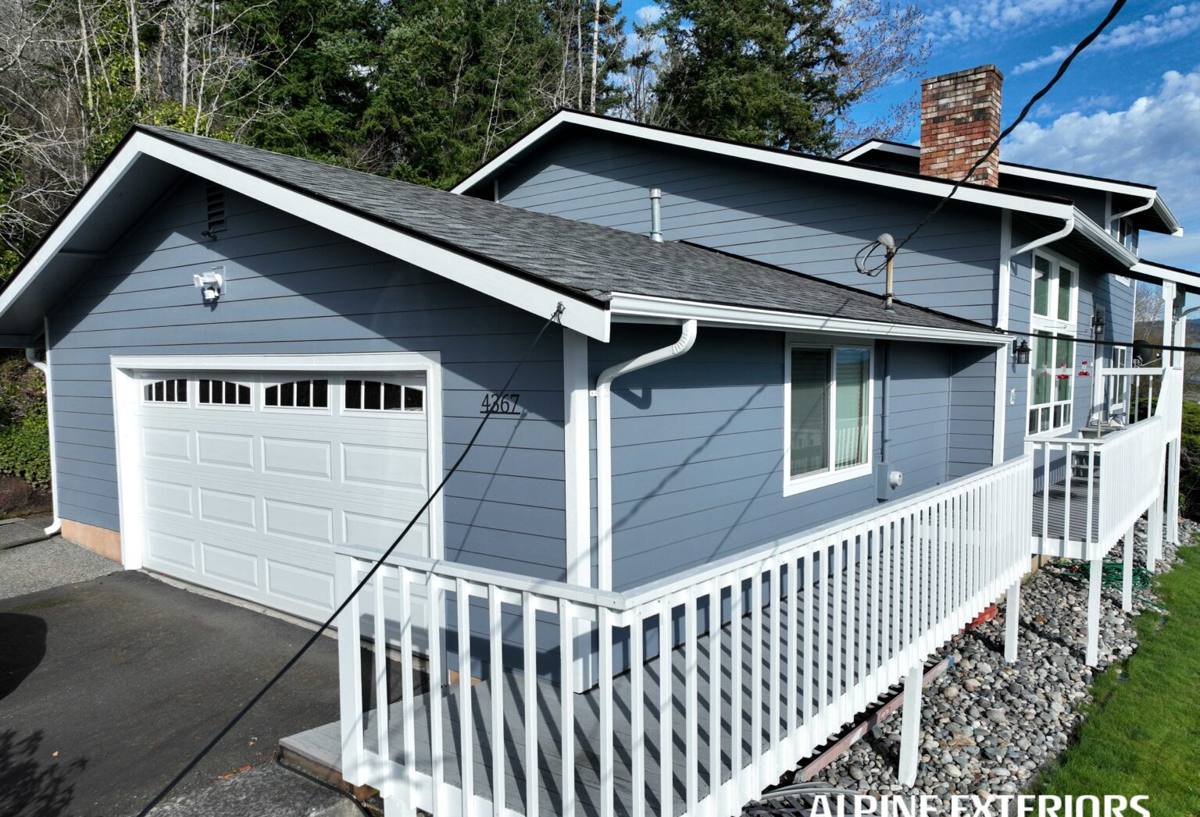
What Pinellas County Weather Does to These Roofs
Every roof on the Gulf Coast deals with the same basic forces, but open, low-lying golf communities feel them more directly:
- Hurricane-force winds get a clean run across open fairways and water, with fewer trees or structures to slow gusts before they hit the roofline — this is where loose tile, lifted shingle tabs, and torn ridge caps usually start.
- Intense, near year-round UV breaks down asphalt shingle granules and dries out underlayment and sealants faster than in shadier, tree-covered neighborhoods.
- Wind-driven rain doesn't just fall — it gets pushed sideways under tile laps, around vent boots, and into any gap in flashing, which is why leaks often show up nowhere near where the actual damage is.
- Salt air, carried in off Tampa Bay, accelerates corrosion on exposed fasteners, metal flashing, and drip edge, especially on homes with less tree cover to buffer the wind.
None of this means these roofs fail faster than others in Oldsmar — it means repairs have to account for wind exposure and moisture intrusion specifically, not just cosmetic damage.
Common Repair Needs We See in This Community
Tile Roofs
Many homes in golf course communities of this age use concrete or clay tile. Individual tiles crack from foot traffic (satellite installers, solar work, chimney sweeps) or from wind uplift, and once a tile is cracked or missing, the underlayment beneath it is exposed to sun and rain with nothing protecting it. Tile repair is not just "replace the broken piece" — it's checking the underlayment and battens underneath, because that's the actual waterproofing layer.
Shingle Roofs
Where asphalt shingle roofs are present, the most common repair calls involve wind-lifted or missing tabs, exposed nail heads, and granule loss around ridge lines from UV exposure. Left alone, these small issues become soft decking and interior leaks.
Flashing and Penetrations
Chimneys, skylights, plumbing vents, and the transitions where a roof meets a lanai or pool cage structure are consistently the first place leaks appear. Flashing failure is often the real cause behind a leak that homeowners assume is a shingle or tile problem.
Low-Slope and Lanai Sections
Golf community homes frequently have a low-slope roof section over a lanai or extended porch. These sections drain slower, hold standing water longer after storms, and need different repair materials than the steep-slope main roof.
What a Correct Repair Actually Involves
A roof repair that's done right isn't just sealing the spot where water is currently visible inside the house. A proper repair process includes:
- Identifying the actual entry point, which is often several feet from the interior stain because water travels along the underlayment or decking before it drips down.
- Checking the underlayment and decking condition around the damaged area, not just the surface material.
- Matching materials — tile profile, shingle type and color, flashing metal — so the repair doesn't stand out or create a mismatched weak point.
- Re-sealing and re-fastening penetrations and laps according to manufacturer specifications, not just caulk over the gap.
- Confirming drainage paths are clear so water doesn't pool against the repaired area.
Skipping any of these steps is how a "fixed" leak comes back a year later, usually worse.
Repair or Replace: How We Help You Decide
Not every roof problem needs a full replacement, and not every leak is fixable with a patch. Here's the general framework we use when evaluating a roof in this neighborhood:
| Factor | Leans Toward Repair | Leans Toward Replacement |
|---|---|---|
| Age of roof | Under 15 years (shingle) or well within tile lifespan | Near or past typical service life for the material |
| Extent of damage | Isolated to one section or a few tiles/shingles | Widespread across multiple slopes or elevations |
| Decking condition | Solid, dry decking under the damaged area | Soft, delaminated, or previously water-stained decking |
| Storm history | First reported issue after a specific storm event | Repeated repairs to the same or nearby areas over time |
| Insurance factors | Damage clearly tied to a single covered event | Adjuster or engineer recommends full replacement |
We'll always give you the honest read on which side of that table your roof falls on — including when a repair is genuinely the right call and a full replacement would be overkill.
Our Process for Roof Repair Calls in This Neighborhood
Because we already work regularly in Oldsmar and communities like Tampa Bay Golf and Country Club, our process is straightforward:
- Inspection first. We get on the roof (not just a ground-level look) to trace the actual source of a leak or damage, including checking flashing, penetrations, and the underlayment where accessible.
- Clear explanation. We show you what we found and explain what's causing the problem in plain terms before recommending a fix.
- Straightforward estimate. You get a written scope of the repair and an honest price range before any work starts — no pressure, no scare tactics.
- Material matching. We source tile, shingle, or flashing that matches your existing roof as closely as possible so the repair blends in.
- Cleanup and follow-up. Job site is cleared of debris and fasteners, and we're available if you have questions once the repair has been through a rain event.
Signs You Should Have Your Roof Checked
- A brown or yellow stain on an interior ceiling, even a small one
- Visible cracked, slipped, or missing tiles from the ground or a neighbor's upper-floor view
- Shingle granules collecting in gutters or at downspout outlets
- Curling, lifted, or missing shingle tabs after a windy day
- Soft or spongy feel underfoot around a roof-to-lanai transition (from an installer's perspective, not something to test yourself)
- Visible rust streaking near flashing or metal vent boots
- Any repair work done more than once in the same spot
Why It Matters That We Already Work This Neighborhood
A crew that's worked in Tampa Bay Golf and Country Club and similar Oldsmar-area communities before understands the typical roof age, common construction details, and the wind and rain exposure specific to open, water-adjacent lots. That means less time spent figuring out "what's normal for this house" and more time focused on the actual repair. It also means we're familiar with the tile profiles and shingle styles common to homes of this vintage, so a repair is more likely to match rather than stand out as an obvious patch.
Local, ongoing presence also matters after a storm. When wind and rain move through Pinellas County, homes in open golf communities are often among the first to show damage, and having a contractor who already knows the area means a faster, more informed response instead of starting from scratch.
Maintenance Between Repairs
A few simple habits extend the life of a repair and reduce the odds of a repeat call:
- Have gutters cleared regularly so wind-driven rain has somewhere to go instead of backing up under the roof edge.
- After any named storm or significant wind event, do a ground-level visual check for obviously displaced tiles or shingles.
- Don't let landscapers, satellite techs, or solar installers walk a tile roof without knowing how to distribute their weight — cracked tiles from foot traffic are a common, avoidable repair call.
- Address small leaks immediately rather than waiting to see if they "dry up" — underlayment damage gets worse, not better, with time.
If you're dealing with a leak, storm damage, or just want an honest opinion on the condition of your roof, we're happy to take a look. The estimate is free, there's no pressure to move forward, and you'll get a clear explanation of what we find — just fill out the form below to get started.