 Oldsmar Siding
 Roof Repair for Westchase, Built Around What Actually Wears Roofs Out Here
Homes in and around Westchase deal with a specific combination of punishment that a lot of national roofing guides never mention: hurricane-force wind gusts during the active season, intense year-round UV exposure that never really lets up, wind-driven rain that gets pushed sideways under normal flashing details, and a steady dose of salt air carried inland off the Gulf. Any one of those on its own is manageable. All four working on a roof at the same time, every year, is why roofs in this part of the Tampa Bay area age differently than roofs in most of the country.
That's the lens we bring to every repair call in Westchase. We're not patching a roof in the abstract — we're patching a roof that has to survive the next tropical system, the next six months of afternoon sun, and salt-laden humidity in between. A repair that doesn't account for all three isn't really a repair, it's a delay.
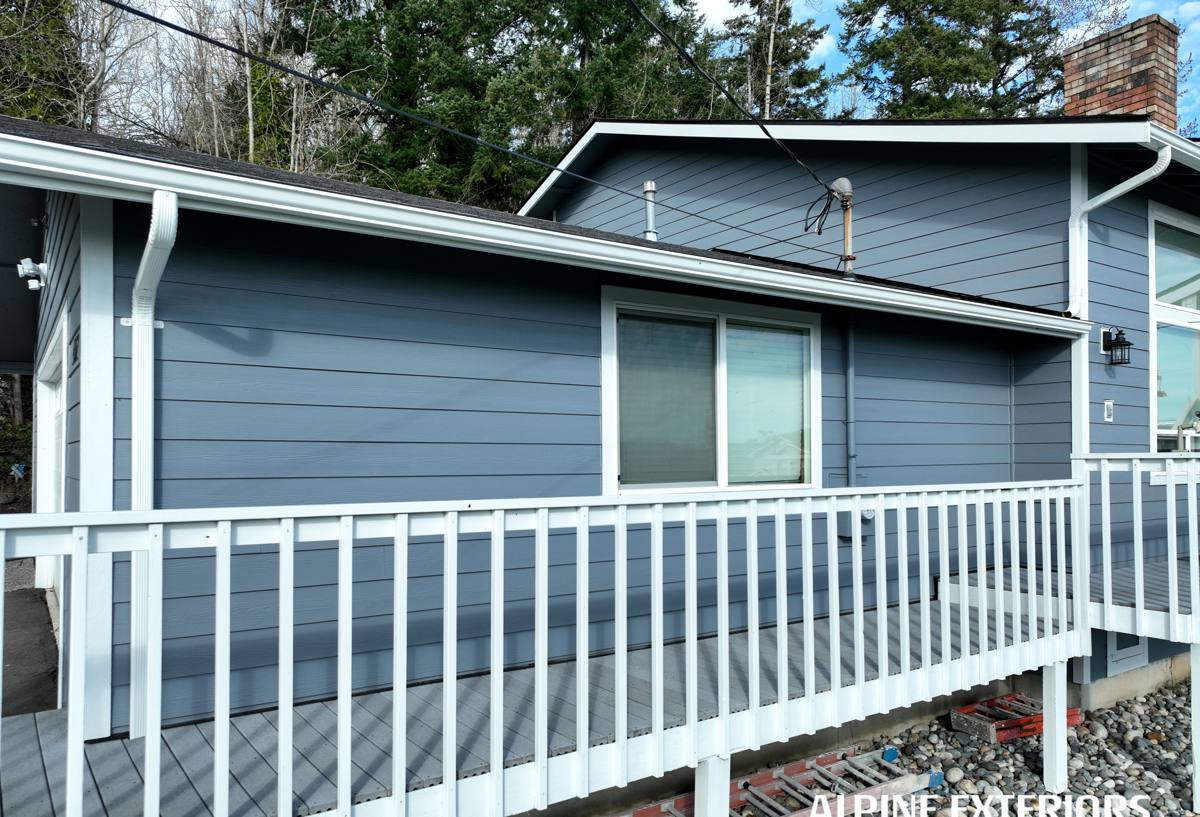
What Typically Goes Wrong on Roofs in This Area
Wind Uplift and Lifted Edges
Sustained high winds and gusts don't just rip shingles off outright — more often they lift edges and corners just enough to break the seal strip underneath, without leaving an obvious hole. That loosened shingle then flaps in every wind event afterward, working the nails and underlayment loose a little more each time until water finally gets through.
UV Breakdown
Florida sun is harder on asphalt shingles than most homeowners realize. UV exposure dries out the asphalt and burns off the granules that protect the mat underneath, which shows up as brittleness, curling edges, and granule buildup in gutters. A roof that looks fine from the driveway can already be past the point where it flexes safely in wind.
Wind-Driven Rain Intrusion
Standard flashing and shingle overlap is designed to shed rain falling straight down. When wind pushes rain sideways and upward under eaves, around chimneys, and at wall-to-roof transitions, water finds gaps that never leak in a normal rainstorm. This is one of the most common reasons a roof "randomly" starts leaking during a storm after years of being fine.
Salt Air Corrosion
Being inland from the immediate coast doesn't fully protect a roof from salt air. It still travels with onshore breezes and settles on exposed metal — flashing, fasteners, vent stacks, and drip edge. Over time it accelerates corrosion in ways that aren't always visible until a fastener fails or a flashing seam opens up.
What a Correct Repair Actually Involves
A lot of what gets sold as "roof repair" is really just sealant and a few shingles slapped over a visible leak point. That can hide a problem for a season, but it doesn't fix the underlying cause, and on a roof exposed to Pinellas County storm conditions, it usually fails again within a year or two. A correct repair starts with figuring out why water got in, not just where it showed up inside the house — those two points are often several feet apart once you follow the path across the roof deck.
Matching Materials the Right Way
Shingles fade and granules wear unevenly across a roof's life, so a patch using new shingles next to old ones is never going to be invisible. We match as closely as current product lines allow and are upfront when an exact match isn't possible — that's a cosmetic trade-off worth knowing about before work starts, not after.
Flashing and Underlayment Come First
Most repeat leaks trace back to flashing or underlayment that was never sealed correctly in the first place, not to the shingles themselves. We treat flashing at valleys, walls, chimneys, and penetrations as the priority — replacing shingles without addressing failed flashing underneath just buys a little time before the same leak returns.
| Approach | Quick Patch | Proper Repair |
|---|---|---|
| Diagnosis | Treats the visible leak point only | Traces water path back to actual entry point |
| Underlayment | Usually left as-is | Inspected and replaced where compromised |
| Flashing | Resealed with caulk over old flashing | Re-flashed or corrected where it's actually failing |
| Fastening | Original nailing pattern untouched | Checked and corrected for wind resistance |
| Expected result in wind-driven rain | Leak often returns in 1-2 storm seasons | Addresses the actual failure point |
How Our Repair Process Works
Inspection First
We walk the roof, not just the ceiling stain. That includes checking valleys, penetrations, flashing, fastener condition, and the general shape the shingles are in beyond the immediate problem area, since a roof old enough to have one wind or UV-related failure usually has others starting nearby.
A Written Estimate Before Any Work Starts
You'll know what we found, what we recommend, and what it costs before we touch anything. If the roof is a genuine repair candidate, we say so. If it's past the point where repair makes sense, we say that too — more on that below.
The Repair
We replace what's actually failed — shingles, underlayment, flashing, or fasteners — using materials suited to Florida's wind and UV exposure, not whatever happens to be cheapest to source. Work is fastened and sealed to current wind-resistance practice, not just cosmetically closed up.
Cleanup and Documentation
We clear debris and old material from the property, and where useful for insurance purposes, we can document what was found and repaired.
Repair vs. Replacement: How We Help You Decide
Not every call ends in a repair, and we'd rather tell you that upfront than sell a patch we don't believe in. A few honest factors guide that call:
- Age relative to material life: a roof already near the end of its expected service life is a poor candidate for another repair cycle
- Extent of UV damage: widespread granule loss and brittleness across the roof, not just at the leak, points toward replacement
- Number of prior repairs: a roof that's had several patch jobs is usually telling you it needs more than another patch
- Decking condition: soft or water-damaged decking under the leak changes the scope of the job regardless of the shingles
- Storm damage scope: isolated wind damage to a small area is often repairable; damage spread across multiple slopes usually isn't
When repair is the right call, we do the repair. When it isn't, we'll explain why in plain terms, not by leading with a full-replacement pitch. Either way, the estimate reflects what your roof actually needs.
Early Warning Signs Worth Checking For
Most roof problems in this area give some notice before they turn into an interior leak. Worth checking after any strong storm or a few times a year otherwise:
- Granules collecting in gutters or at downspout outlets
- Shingle edges curling or lifting, especially on the roof's most sun-exposed slopes
- Missing or visibly displaced shingles after high wind
- Rust staining or corrosion around vent stacks, flashing, or exposed fasteners
- Soft spots noticeable when walking the attic or a slight sag visible from the ground
- Water stains or discoloration on ceilings or in the attic, even faint ones
- Daylight visible through the roof deck from inside the attic
Why It Matters That We Already Work in Westchase
Roofing conditions vary block to block based on tree cover, roof orientation, and how exposed a property is to prevailing wind — details a crew unfamiliar with the area has to learn on your roof, on your dime. Working regularly in this part of Pinellas County means we already have a working sense of how local roofs typically age, which failure points show up most often, and what a genuinely sound repair needs to hold up through the next storm season rather than just look finished on the day we leave.
If your home is in a community with architectural guidelines or an HOA, we're used to working within those requirements for material appearance and won't leave you sorting out a compliance issue after the fact. It's a small thing, but it's one less headache during what's already an inconvenient repair.
Workmanship and Material Standards
We use roofing materials rated for high-wind, high-UV climates rather than defaulting to whatever's cheapest, because the cost difference shows up as a shorter service life in exactly the conditions this area sees most. Warranty coverage on any repair depends on both the material manufacturer's terms and our own workmanship guarantee, and we'll walk you through exactly what's covered and for how long before any work begins — no vague promises, just what's actually in writing.
If you're dealing with a leak, storm damage, or just want a straight answer on what condition your roof is actually in, we're happy to take a look. Estimates are free, there's no pressure to move forward, and you'll get a clear explanation of what we find either way — just fill out the form below to get started.