 Oldsmar Siding
 Why Safety Harbor Roofs Wear Out Faster Than the Warranty Suggests
Safety Harbor sits along Old Tampa Bay in Pinellas County, which means homes here take on a specific combination of stress that inland roofs never see. Hurricane-force wind gusts test every nail and fastener pattern. Intense, near year-round UV exposure bakes shingle mat and asphalt oils, pulling granules loose years ahead of schedule. Wind-driven rain finds its way under lifted shingle tabs and worn flashing during summer storms. And salt-laden air off the bay slowly corrodes exposed metal — nail heads, drip edge, vent stacks, and pipe boots — long before the shingles themselves look worn out.
None of this shows up in a manufacturer's warranty paperwork, which is usually written around a generic 30-year climate average. A roof rated for 25-30 years in a mild climate often needs replacing in 15-20 years here, and the difference usually shows up first at the edges and penetrations, not in the middle of the field where homeowners tend to look.
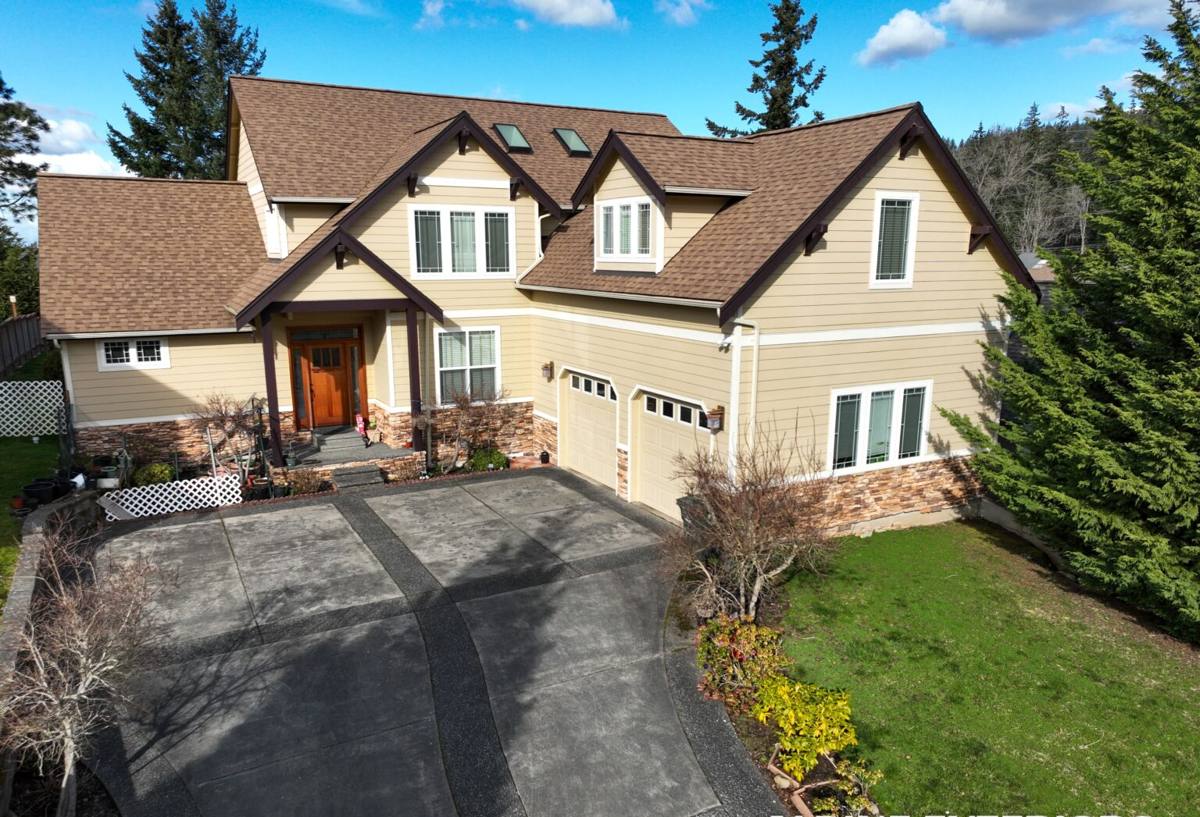
Signs a Safety Harbor Roof Has Reached the End of Its Service Life
Not every roofing problem means a full replacement. But there's a point where repeated repairs stop making financial sense and start masking a bigger issue underneath. Watch for:
- Granule loss heavy enough that you're finding grit in gutters and downspouts regularly
- Shingles that are curling, cupping, or cracking across large sections rather than one isolated spot
- Soft or spongy decking felt underfoot in the attic, or daylight visible through the roof deck
- Repeated leaks in different locations after storms, rather than one recurring spot
- Streaking, staining, or moss growth that keeps returning after cleaning
- Rusted, lifted, or missing flashing around chimneys, skylights, and roof-to-wall transitions
- A roof that's already had two or more repair visits in the past two to three years
If a roof is showing two or more of these at once, it's usually cheaper over a five-year window to replace than to keep patching.
What a Correct Roof Replacement Actually Involves
It's Not Just New Shingles on Old Decking
The single biggest mistake in this trade is treating a replacement as a surface job. A roof that will actually hold up to Pinellas County wind and rain needs the layers underneath it done right, in order:
Full Tear-Off and Deck Inspection
Old shingles, underlayment, and flashing come off completely so the deck can be inspected board by board. Any wood that's soft, delaminated, or water-stained gets replaced before anything new goes down — covering bad decking with new shingles just hides the problem for a year or two.
Underlayment and Water Barrier
A synthetic or self-adhering underlayment goes down as the roof's true waterproof layer. In this climate, self-adhering ice-and-water-shield-type membrane at eaves, valleys, and around penetrations is worth the upcharge — it's the layer that keeps wind-driven rain out even if a shingle tab lifts.
Flashing at Every Transition
Chimneys, skylights, sidewalls, and vent penetrations fail more often than open shingle field. New step flashing, counter-flashing, and pipe boots at every one of these points is standard, not an upgrade.
Fastening to Wind Requirements
Florida Building Code sets nailing patterns and fastener counts based on local wind speed zones, and Pinellas County inspectors check this. Six-nail patterns instead of four, correctly placed in the nailing strip, make a measurable difference in how a roof performs when gusts hit.
Attic Ventilation
Balanced intake and exhaust ventilation keeps attic heat and moisture from cooking the underside of the new roof deck and shingles from the inside. A roof replacement is the easiest time to correct ventilation that was never right to begin with.
Comparing Roofing Materials for a Safety Harbor Home
There's no single "best" material — it depends on budget, roof shape, and how long you plan to stay in the home. Here's how the common options compare for this climate:
| Material | Typical Lifespan Here | Wind Performance | Maintenance |
|---|---|---|---|
| 3-tab asphalt shingle | 12-18 years | Lower wind rating, budget option | Low upfront cost, shorter service life |
| Architectural (dimensional) shingle | 18-25 years | Higher wind rating, thicker mat | Best balance of cost and durability for most homes |
| Standing seam metal | 30-50 years | Excellent, fewer exposed fasteners | Higher upfront cost, minimal upkeep |
| Concrete or clay tile | 30-50+ years | Very good when properly fastened | Heavier structure requirement, underlayment needs periodic attention |
Architectural shingles are the most common replacement choice in this area because they hold up well to UV and wind without the structural or upfront cost jump that tile or metal require. We'll walk through the honest trade-offs for your specific roof rather than push whatever has the highest margin.
Cost Factors Worth Understanding Before You Get Quotes
Roof replacement pricing varies with more than just square footage. The factors that move a quote up or down the most are:
| Factor | Why It Matters |
|---|---|
| Roof pitch and complexity | Steep or cut-up roofs with many valleys and hips take longer and use more material |
| Deck condition | Rotted or soft decking found during tear-off adds material and labor to replace |
| Number of layers to remove | Tearing off two layers of old shingles costs more than one |
| Underlayment and flashing upgrades | Self-adhering membrane and new flashing at every penetration add cost but reduce leak risk |
| Material choice | Shingle grade, metal, or tile shift the price range significantly |
Be cautious of any quote that's dramatically lower than the others for the same scope — it usually means one of these items has been left out, and it tends to surface as a change order once the old roof is already off.
How Our Roof Replacement Process Works
- On-site inspection. We look at the roof from the ground and, where safe, up close — deck condition, flashing, ventilation, and any storm damage — and explain what we find in plain terms.
- Written estimate and material selection. You get a clear scope of work and pricing, with options explained honestly rather than upsold.
- Permitting. We pull the required Pinellas County roofing permit and schedule inspections so the job is documented and code-compliant, which also matters for your homeowners insurance and any future resale.
- Tear-off and deck repair. Old roofing comes off, the deck is inspected board by board, and any compromised sections are replaced before anything new goes down.
- Underlayment, flashing, and ventilation. Water barrier, flashing at every transition, and proper intake/exhaust ventilation go in before the finish material.
- Installation to wind-rated fastening standards. Shingles, metal, or tile go on following the nailing or fastening pattern required for our wind speed zone.
- Final inspection and cleanup. A magnetic sweep for stray nails, full site cleanup, and a walkthrough so you know what was done and what to watch for going forward.
Permits, Wind Mitigation, and Insurance
A roof replacement in Pinellas County requires a permit, and the finished work has to pass inspection against Florida Building Code wind requirements — this isn't optional paperwork, it's what confirms the roof was actually fastened and flashed correctly. Once the new roof is in, it's worth having a wind mitigation inspection done. Insurers offer real premium discounts for roofs built to current code with documented fastening and roof-to-wall connections, and a fresh, permitted roof is usually the best time to capture that. We're glad to point you toward the process; the inspection itself is done by a separate certified inspector, not the roofing contractor.
What to Ask Before You Hire a Roofer
Roof replacement is one of the largest checks most homeowners write for their house, and it's also an area with more fly-by-night operators than most trades — especially after storm season, when out-of-town crews show up chasing insurance work. Before you sign anything:
- Confirm the contractor is licensed in Florida and carries current liability and workers' comp insurance
- Ask who pulls the permit — it should be the contractor, not you
- Get the scope of work in writing, including underlayment type, flashing details, and fastening pattern
- Ask how deck repairs are priced if rot is found during tear-off, before work starts
- Check that the company has a real local address and a track record of jobs in this area, not just a truck and a phone number
- Avoid any contractor who pressures you to sign the same day or asks for full payment upfront
Why Local Experience in Safety Harbor Matters
A crew that regularly works roofs in Safety Harbor and the surrounding Pinellas County area already knows the wind speed zone requirements, what the local permitting office expects on an inspection, and how salt air and bay-adjacent humidity affect flashing and fastener choices over time. That's the difference between a roof that's technically finished and one that's actually built for where it sits. We service this area regularly, which means faster response for both estimates and any follow-up, and a working relationship with the same local permitting process on every job — not a one-off crew learning the requirements as they go.
If your roof is showing its age or you want an honest read on repair versus replacement, we're happy to take a look. Reach out using the form below for a free, no-pressure estimate — no obligation, no pressure tactics, just a straight assessment of what your roof actually needs.