 Oldsmar Siding
 Board & Batten's Fit for Safety Harbor's Coastal Character
Safety Harbor sits right on Old Tampa Bay, and the homes here often lean into that setting — cottage-style bungalows, coastal farmhouse remodels, and newer builds that want a cleaner, more vertical look than standard lap siding gives. Board & batten delivers that look: wide flat panels with narrow battens covering the seams, running vertically instead of the horizontal shadow lines you get with traditional siding. It reads as more architectural, more custom, and it pairs well with the mix of historic and modern homes you'll find around Safety Harbor and neighboring Oldsmar.
But board & batten isn't just a style choice. The way it's built — vertical panels, seams covered by battens, a different fastening pattern than lap siding — means it has to be engineered and installed correctly for this climate, or those same design features become weak points. That's the part homeowners don't always see when they're picking a look off a brochure.
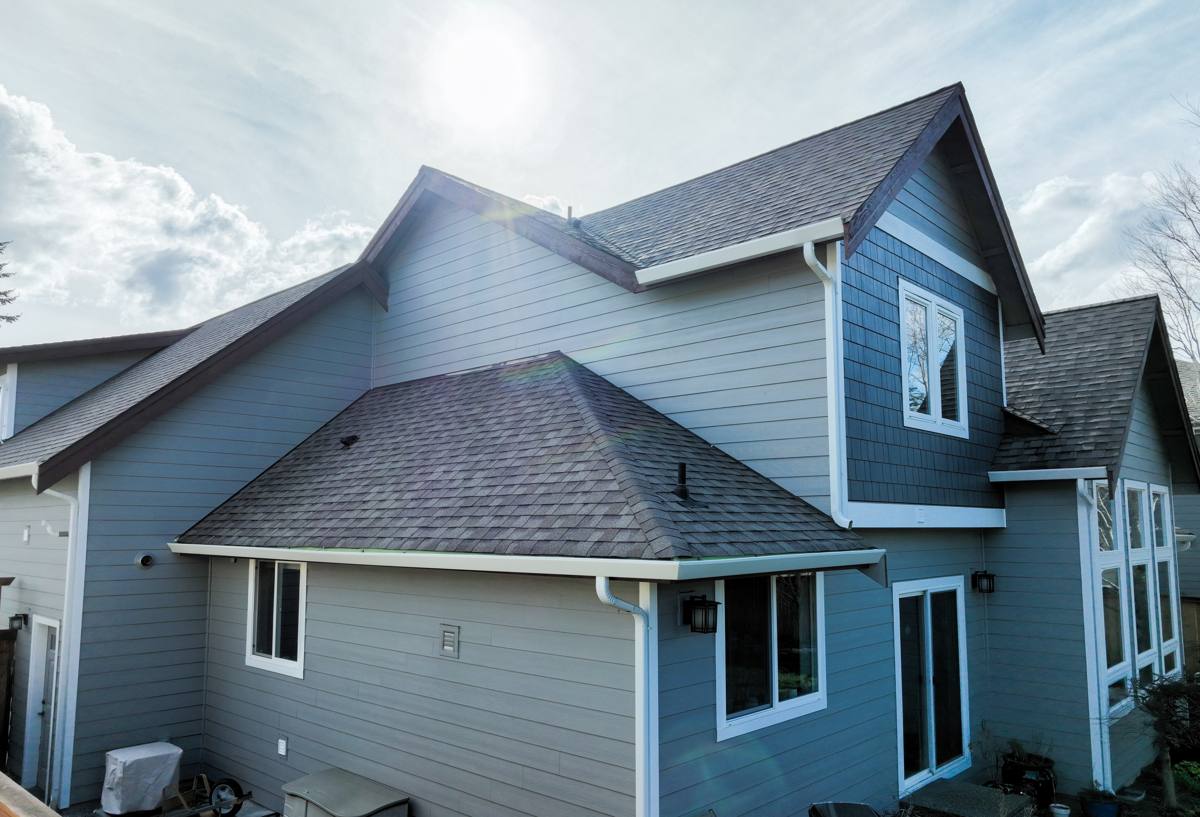
What Tampa Bay Weather Does to Vertical Siding
Pinellas County homes take a specific combination of abuse that inland siding never has to deal with. For a waterfront community like Safety Harbor, it's worth understanding what each piece of that does to a board & batten system specifically:
- Hurricane-force wind: Vertical panels have long, exposed seams running the full height of the wall. If fastening and batten attachment aren't done to spec, wind can work at those seams and eventually peel material away.
- Wind-driven rain: Storms here don't just drop rain straight down — wind pushes it sideways, up under laps, and into any gap in a vertical seam. A board & batten wall depends entirely on what's happening behind the battens, not just the battens themselves, to stay dry.
- Intense, near-constant UV: Florida sun is hard on painted surfaces year-round, not just in summer. Battens and panels that aren't finished to hold color and resist UV breakdown will chalk, fade unevenly, and need repainting far sooner than the wall's structure actually requires.
- Salt air: Being close to Old Tampa Bay means airborne salt settles on exterior surfaces and accelerates corrosion of fasteners and degradation of lesser materials, even without direct flooding exposure.
None of this means board & batten is a bad choice for Safety Harbor — it means the material and the installation both have to be matched to what this specific stretch of coastline does to a house.
Why We Only Install This Style in James Hardie Fiber Cement
We don't offer board & batten in vinyl, LP SmartSide, primed spruce, or cedar. That's a standard we hold across every job, not just this one, and it comes down to how those materials behave over years of Gulf Coast exposure rather than in a showroom. Vinyl board & batten expands and contracts with heat, which stresses fastening at those long vertical seams and can warp under direct sun. Engineered wood products and real wood battens depend on paint film and caulking to keep water out of end grain and seams — maintenance that's a lot less forgiving in a humid, storm-prone climate than it is elsewhere in the country.
James Hardie fiber cement is non-combustible, doesn't expand and contract the way wood or vinyl does, and is manufactured in HZ10 formulations engineered specifically for Gulf Coast humidity and moisture cycling. The factory-applied ColorPlus finish is baked on and warranted against fading and peeling — which matters more on a vertical wall in direct Florida sun than it does on almost any other siding profile, because vertical panels catch UV differently than horizontal lap siding does. It's why board & batten, done right, is a product decision as much as a design decision.
What a Correct Board & Batten Installation Involves
Board & batten looks simple from the curb — panels, battens, done. The parts that actually determine whether it lasts are the parts you can't see once the job is finished.
Layout and Reveal
Panel width, batten spacing, and reveal need to be planned out before the first panel goes up — not adjusted on the fly. Consistent spacing is what gives board & batten its clean look, and rushing this step is one of the most common ways amateur installs end up looking uneven from twenty feet away.
Moisture Management Behind the Battens
This is the step that actually protects the house. A correctly installed system includes a drainage plane and weather-resistive barrier behind the panels, proper flashing at every seam, window, and roofline transition, and a gap or drainage path that lets any moisture that does get behind the panel find its way back out instead of sitting against the sheathing. Battens are not a substitute for flashing — they cover the seam visually, but the wall assembly underneath is what actually keeps water out.
Fastening for Wind Resistance
Fastener type, spacing, and embedment all have to match Hardie's published specifications for our wind zone, and Pinellas County's wind-borne debris requirements are stricter than a lot of the country. Battens need to be fastened independently into the framing where required, not just nailed through the panel below — that distinction is often the difference between a batten that stays put in a storm and one that doesn't.
Comparing Board & Batten Materials
| Factor | James Hardie Fiber Cement | Vinyl | Wood / Engineered Wood |
|---|---|---|---|
| Behavior in Gulf Coast humidity | Engineered for it (HZ10 line) | Can warp or buckle in heat | Prone to moisture absorption, rot risk |
| Hurricane wind performance | Rated system when installed to spec | Seams and panels vulnerable to uplift | Depends heavily on fastening quality |
| UV / color retention | Factory ColorPlus finish, warrantied | Can fade and chalk over time | Requires repainting on a maintenance cycle |
| Fire resistance | Non-combustible | Combustible | Combustible |
| Maintenance burden | Low — periodic cleaning, no repainting for years | Low, but limited repair options if damaged | Higher — regular painting and caulking |
Our Process for Safety Harbor Projects
We approach board & batten jobs in this area the same deliberate way every time:
- Assessment: We look at the existing wall assembly, current siding condition, and any moisture or rot issues before quoting anything — not after the tear-off starts.
- Product and layout planning: We select the correct HZ10 Hardie panel profile and plan batten spacing and reveal to match the home's proportions.
- Tear-off and prep: Old siding comes off, sheathing is inspected and repaired as needed, and the weather-resistive barrier and flashing details go in before a single panel is hung.
- Installation: Panels and battens are fastened to Hardie's specification and our local wind zone requirements, with attention to every seam, corner, and penetration.
- Final inspection and cleanup: We walk the job before we consider it done, checking reveal consistency, fastening, and sealant work.
What a Properly Installed System Should Include
- Consistent panel and batten spacing across every elevation of the home
- Flashing at every window, door, roofline, and seam — not just caulk
- A weather-resistive barrier and drainage path behind the panels
- Fasteners and spacing matching Hardie's published specs for our wind zone
- Battens fastened independently into framing, not just through the panel below
- Factory-finished ColorPlus panels and trim, with touch-up rather than field-painting wherever possible
Why Local Experience in Safety Harbor Matters
Board & batten installed to a generic national spec doesn't automatically hold up here. A crew that regularly works Safety Harbor and the broader Oldsmar area already knows the wind-load and wind-borne-debris requirements local permitting expects, understands how close proximity to Old Tampa Bay affects material choice and fastening, and isn't guessing at how a wall assembly needs to perform through a Gulf Coast wet season and hurricane season in the same year. That familiarity shows up in fewer callbacks, fewer surprises during permitting, and siding that's actually built for the address it's going on rather than a generic one.
Maintenance and Longevity in Salt Air
Even with the right material and installation, board & batten siding near the bay benefits from periodic attention: rinsing off accumulated salt and grime, checking sealant at penetrations every year or two, and having any storm damage inspected promptly rather than left to sit. James Hardie's ColorPlus finish and HZ10 formulation cut down on how much maintenance is actually required, but "low-maintenance" isn't "no-maintenance" this close to the water.
If you're considering board & batten siding for a home in Safety Harbor, we're glad to walk the property, talk through what your specific wall assembly needs, and put together a free, no-pressure estimate — no obligation, just a straight answer on what correct looks like for your house.