 Oldsmar Siding
 Why Safety Harbor Homes Need Siding Built for This Climate
Safety Harbor sits close enough to Tampa Bay that its homes take on a specific combination of stresses that inland Florida properties don't deal with in the same way. You've got salt-laden air drifting off the bay, long stretches of intense UV exposure nearly every month of the year, sudden wind-driven rain from summer storms, and the real possibility of hurricane-force gusts during the season. Any one of these on its own is manageable for a siding product. All four together, repeated year after year, is what separates siding that looks good for a decade from siding that holds up for thirty years.
This is the entire reason we standardized on James Hardie fiber cement and stopped installing anything else. Homes in this part of Pinellas County don't get a break from the weather, and the siding covering them shouldn't need one either.
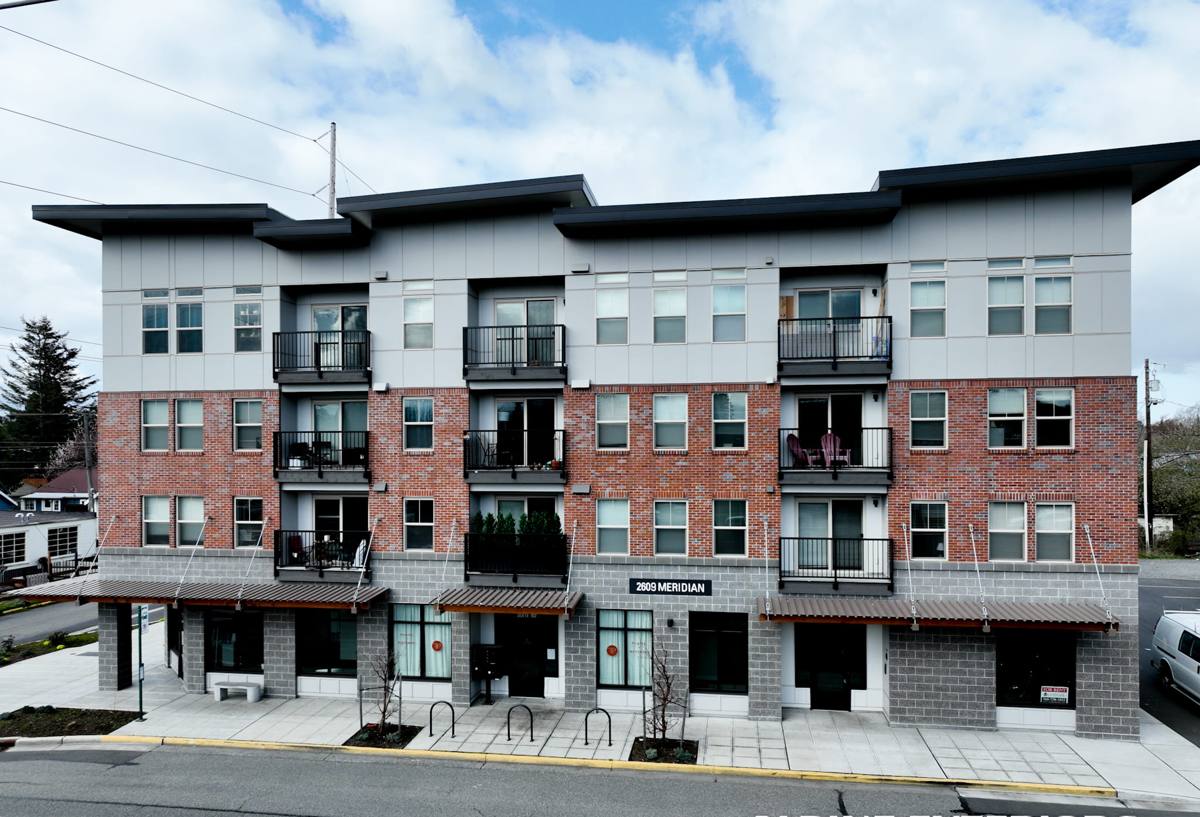
What Local Homes Are Actually Up Against
Salt Air and Moisture
Even a few miles from open water, airborne salt accelerates corrosion on fasteners, trim, and any siding material that isn't dimensionally stable when it absorbs moisture. Salt-laden humidity also keeps surfaces damp longer after rain, which matters a lot for how a siding product handles moisture cycling over time.
UV Exposure
Florida sun is relentless on painted and coated surfaces. Field-applied paint jobs on wood or engineered wood siding tend to chalk, fade unevenly, and need repainting far sooner here than in milder climates. Factory-cured finishes hold color and integrity much longer under this kind of sustained UV load.
Wind-Driven Rain
It's not just the amount of rain — it's the direction it comes in during a squall or tropical system. Wind-driven rain finds every gap, every under-caulked seam, and every place where flashing and siding meet incorrectly. This is where installation quality matters as much as the product itself.
Hurricane-Force Wind Loads
Pinellas County requires siding systems to meet wind-load standards for good reason. Fastening pattern, nail spacing, and how siding is installed around openings all affect whether a wall system performs the way it's rated to during a real storm.
What Correct James Hardie Installation Actually Involves
James Hardie fiber cement is a strong product, but it's only as good as the installation behind it. A correct job on a Safety Harbor home includes several things that are easy to skip and easy for a homeowner to never notice until years later:
- Proper water-resistive barrier installed and lapped correctly behind the siding, not just stapled up quickly
- Correct flashing at windows, doors, and any wall penetrations so wind-driven rain has nowhere to travel behind the cladding
- Manufacturer-specified fastener type, spacing, and embedment depth — not a generalized nailing pattern borrowed from another siding product
- Proper clearance from grade, roof lines, and decks so the bottom edge of the siding isn't sitting in standing moisture
- Correctly sized gaps at butt joints and trim to allow for the material's normal expansion and contraction
- Caulking and sealant used only where James Hardie's specifications call for it — over-caulking traps moisture just as often as under-caulking lets it in
Every one of these steps is spelled out in James Hardie's installation manual. Skipping or rushing any of them doesn't just void a warranty — it recreates the exact conditions that let salt air and wind-driven rain cause real damage over time.
Why We Only Install James Hardie
We don't install LP SmartSide, vinyl, Cemplank, Allura, or primed wood siding, and that's a deliberate standard, not an oversight. Each of those products has legitimate uses and honest strengths — vinyl is inexpensive and easy to source, engineered wood products install quickly, and other fiber cement brands compete directly on price. But when we weighed maintenance burden, long-term moisture behavior, and how a product actually performs under sustained coastal Florida exposure, James Hardie was the one we were comfortable standing behind on every job.
Fiber cement in general resists the two things that damage siding fastest in this region: fire and moisture-driven rot. James Hardie specifically engineers its HZ5 product line for high-humidity, high-moisture climates like ours, and backs it with a ColorPlus factory finish and a strong transferable limited warranty. That combination is why it's the only product we put our name on.
The HZ5 Product Line
James Hardie makes region-specific versions of its siding, and HZ5 is engineered for the humid, storm-prone Gulf Coast and Southeast. It's built with moisture and climate exposure in mind from the manufacturing stage, rather than being a general-purpose product used everywhere regardless of local conditions. For a Safety Harbor home exposed to bay-adjacent humidity and salt air, that regional engineering isn't a marketing detail — it's the difference between a product designed for this environment and one that just happens to be sold here.
ColorPlus Technology
Rather than relying on field-applied paint, James Hardie's ColorPlus finish is baked on in a controlled factory process, which gives it far better resistance to UV fading and moisture-related failure than a job-site paint application. In a climate where the sun is working against painted surfaces almost every day of the year, starting with a factory-cured finish instead of a field-applied one is one of the clearest advantages fiber cement has over engineered wood alternatives.
Our Process, Start to Finish
- Free on-site estimate. We walk the exterior, look at your current siding's condition, check for moisture damage or rot at vulnerable points, and talk through product and color options.
- Detailed written proposal. You get a clear scope of work, product specifications, and pricing before anything is scheduled — no surprise add-ons mid-project.
- Tear-off and inspection. Once old siding comes off, we inspect the sheathing and framing underneath for hidden moisture damage before anything new goes up.
- Water-resistive barrier and flashing. This step happens before a single piece of Hardie board is installed, and it's the part that determines how the whole system performs in wind-driven rain.
- Installation to manufacturer spec. Fastening, spacing, and clearances follow James Hardie's published requirements, not shortcuts.
- Final walkthrough. We go over the finished job with you directly and address anything you want a closer look at before calling it done.
Signs Your Current Siding Is Already Losing the Fight
Homeowners in Safety Harbor often don't realize how much wear their siding has taken until they're pointed toward the right signs. Here's a general comparison of what to look for and what it usually means:
| What You See | Likely Cause | Why It Matters Here |
|---|---|---|
| Peeling or bubbling paint | Moisture trapped behind the surface | Salt humidity and UV accelerate this cycle faster than in drier climates |
| Soft or spongy spots | Rot in wood-based siding or sheathing | Wind-driven rain finds gaps and keeps material damp longer near the bay |
| Visible warping or buckling | Moisture absorption and expansion | Common in engineered wood and vinyl exposed to constant humidity swings |
| Faded, chalky color | UV breakdown of field-applied paint | Florida's sun exposure is well above the national average |
| Cracking near fasteners | Incorrect nailing pattern or fastener type | Directly affects wind-load performance during storms |
What to Ask Before Hiring Any Siding Contractor
Whether you call us or someone else, a contractor working on a Safety Harbor home should be able to answer these clearly:
- Are you a James Hardie certified or preferred contractor, and can you explain your fastening and flashing approach specifically?
- Do you pull the required permits, and are you familiar with Pinellas County's wind-load requirements?
- Will you inspect the sheathing for moisture damage once old siding is removed, before it's covered back up?
- What warranty applies to the labor, separate from the manufacturer's product warranty?
- Can you provide a written, itemized proposal before work begins, not just a verbal quote?
A contractor who hedges on the installation details — not just the product name — is the bigger risk. The siding material matters, but in this climate the installation is what actually determines whether it lasts.
Maintenance After Installation
One of the practical advantages of correctly installed James Hardie siding in a coastal-adjacent climate like Safety Harbor's is how little ongoing maintenance it asks for compared to painted wood or engineered wood alternatives. It doesn't need repainting on the same aggressive cycle that UV exposure forces on field-painted materials, and it holds up structurally against the humidity swings that cause warping in less moisture-stable products. That said, no siding is maintenance-free here. Periodic rinsing to clear salt residue and pollen buildup, prompt attention to caulking around trim and penetrations, and keeping an eye on areas near sprinklers or dense landscaping where moisture lingers will all extend the life of the installation well beyond its already strong baseline.
Get a Straightforward Estimate
If your Safety Harbor home's siding is showing wear, or you're planning ahead before the next storm season, we're happy to take a look and give you an honest read on where things stand. Reach out for a free, no-pressure estimate using the form below.