 Oldsmar Siding
 Siding Installation Built for Town 'N Country's Exposure
Homes in the Town 'N Country area near Oldsmar sit in one of the more demanding climates in the country for exterior building materials. Between Gulf humidity, the intensity of Florida sun, and the wind loads that arrive with every hurricane season, siding on a house here works harder than siding in almost any inland climate. A siding job that would hold up fine somewhere drier and calmer can fail within a few years on a Town 'N Country home if it isn't specified, flashed, and fastened correctly for this exposure.
That's why we treat siding installation in this area as its own job, not a generic one. The product, the weather barrier underneath it, the fastening schedule, and the flashing details all have to account for wind-driven rain and salt-laden air — not just look good on install day.
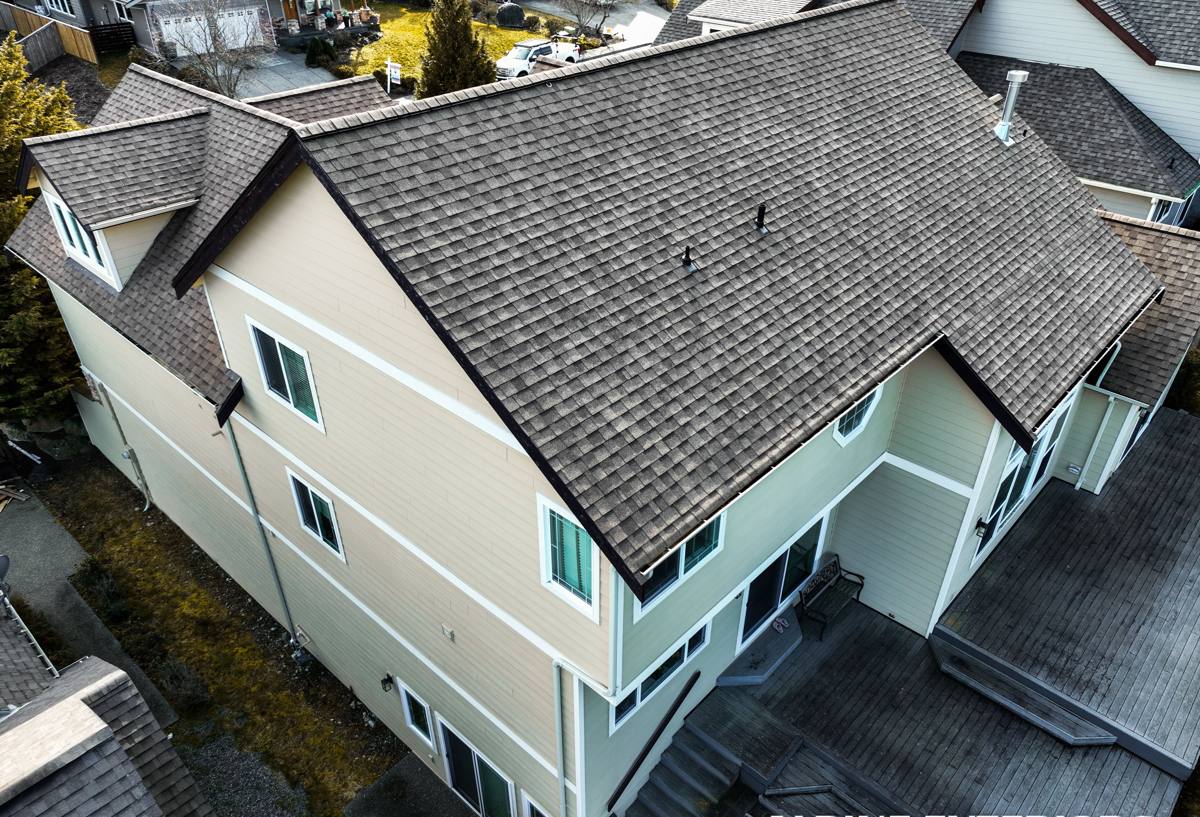
What Hurricane-Force Wind, UV, and Salt Air Do to Siding Over Time
Pinellas County exteriors face several stressors at once, and siding here has to withstand all of them simultaneously, year-round, not just during storm season.
Wind and Wind-Driven Rain
Tropical storm and hurricane-force wind doesn't just risk tearing siding off a wall — it drives rain sideways, forcing water behind panels and lap joints that weren't installed to shed it in that direction. Once water gets behind the cladding, the weather-resistive barrier and flashing details behind the siding matter far more than the siding's face material.
Constant UV Exposure
Florida sun is on a house every day of the year, not just in summer. Paint and finish coatings that aren't cured to withstand that level of exposure chalk, fade, and crack well before their expected service life, opening the door to moisture intrusion at every hairline crack in the finish.
Salt Air
Even homes set back from the immediate coastline still take in salt-laden Gulf air. That salt accelerates corrosion of fasteners, trim accessories, and any exposed metal flashing. Siding systems and fastening hardware that aren't rated for this environment corrode noticeably faster than homeowners expect, sometimes staining the face of the siding as they do.
Humidity and Moisture Cycling
Between afternoon storms and the humidity that sits over the Tampa Bay area most of the year, exterior walls go through constant wetting and drying cycles. Materials that swell, absorb water, or rot when repeatedly wetted are at a structural disadvantage here that a drier climate would never expose.
What a Correct Siding Installation Actually Involves
A siding job is only as good as what's underneath it. The visible panels get all the attention, but the components a homeowner never sees are what determine whether the wall stays dry through the next tropical storm.
The Weather-Resistive Barrier and Drainage Plane
Behind every siding panel should be a continuous weather-resistive barrier, lapped correctly from bottom to top so water is shed downward and outward, never trapped. Where wind-driven rain is a regular event, a drainage plane that lets any water that gets past the siding drain back out — rather than pooling against the sheathing — is not optional.
Flashing at Every Penetration
Windows, doors, hose bibs, light fixtures, vents — every penetration through the siding is a potential entry point for water. Correct flashing means each one is detailed so water is directed out and away, layered correctly with the weather barrier above and below it, before the siding ever goes on.
Fastening Schedule and Clearances
Fastener spacing, type, and placement all change based on wind exposure, and Florida's wind zones call for a tighter fastening schedule than most manufacturers' minimum standards. Clearances also matter: siding installed too close to grade, roof lines, or decking traps moisture against the bottom edge of the panel and invites rot or paint failure long before the rest of the wall shows wear.
Caulking and Joint Treatment
Butt joints, trim intersections, and panel seams need the right sealant, applied correctly, not just a bead run down every seam for appearance. Over-caulking can trap moisture as easily as under-caulking lets it in — this is a detail that separates a crew that understands the product from one that's just covering a wall.
Why We Install Only James Hardie Fiber Cement Siding
We install James Hardie fiber cement exclusively. We don't install vinyl, LP SmartSide, Cemplank, Allura, or wood siding, and that's a deliberate standard, not a lack of options. Fiber cement is non-combustible, doesn't warp or swell with moisture cycling the way wood-based products can, and holds paint and factory finish far longer under sustained UV than most alternatives. James Hardie backs its products with a factory-applied ColorPlus finish engineered to resist fading and chalking in exactly the kind of sun exposure this area gets, and a transferable limited warranty that matters if the home changes hands.
None of that replaces correct installation. Even the best siding product fails early if it's hung without the right weather barrier, flashing, and fastening behind it — which is why we treat the installation process itself as seriously as the product choice.
Choosing the Right Hardie Line and Color for This Climate
James Hardie engineers its HZ product lines for specific climate zones, and homes in this part of Florida fall into the humid, high-wind HZ10 zone. That designation affects the formulation of the board itself, built to perform in sustained humidity and heat rather than a one-size-fits-all mix meant for a milder climate.
Color choice matters here too, more than in a milder climate. Darker ColorPlus finishes absorb more heat under constant Florida sun, which can affect long-term finish performance on south- and west-facing walls. We walk homeowners through which lines and finishes hold up best on the specific elevations of their home, rather than picking a color purely on looks and hoping it performs the same on every wall.
Our Installation Process, Start to Finish
- On-site assessment. We inspect the existing wall assembly, sheathing condition, and any current moisture damage before quoting anything.
- Tear-off and sheathing check. Old siding comes off and the sheathing underneath gets inspected and repaired as needed — this is often where hidden problems from a prior installation surface.
- Weather-resistive barrier installation. A continuous, correctly lapped barrier goes on before anything else, forming the drainage plane behind the siding.
- Flashing at all penetrations. Windows, doors, and every fixture or vent get flashed and integrated with the weather barrier before siding installation begins.
- Hardie panel installation. Panels are hung to the fastening schedule appropriate for this wind zone, with correct clearances at grade, roofline, and decking maintained throughout.
- Joint and trim treatment. Seams, butt joints, and trim intersections are sealed correctly — not over-caulked, not left short.
- Final walkthrough. We review the completed job with the homeowner and address anything before calling it finished.
Siding Options Compared for Town 'N Country Homes
Homeowners often ask why fiber cement costs more up front than some alternatives. The honest answer is in how each material performs over time in this specific climate, not just at installation.
| Factor | James Hardie Fiber Cement | Vinyl | Wood-Based (LP SmartSide, cedar) |
|---|---|---|---|
| Wind resistance | Engineered for high-wind zones, rated fastening schedules | Can crack or blow off in sustained high wind | Varies; wood can warp under moisture-wind cycling |
| UV / finish durability | Factory ColorPlus finish resists fading and chalking | Color can fade and become brittle over time | Paint needs more frequent recoating |
| Moisture / rot resistance | Non-combustible, doesn't rot or swell | Doesn't rot, but can trap moisture behind panels | Prone to swelling, rot, and insect damage if moisture gets in |
| Salt air performance | Holds up well with correctly rated fasteners | Generally stable but can become brittle | More vulnerable to moisture-driven deterioration |
| Warranty | Strong transferable limited warranty | Varies widely by manufacturer and thickness | Varies; often shorter or more conditional |
This is a general comparison of how these material categories tend to perform in this climate, not a claim about every specific product on the market — but it's the reasoning behind why we standardized on one material rather than offering all of them.
Signs Your Current Siding Needs Attention
- Visible warping, buckling, or panels that flex when pressed
- Paint that's chalking, fading unevenly, or peeling in sheets
- Soft spots, especially near the bottom courses or around window and door trim
- Staining or streaking that suggests water is tracking behind the siding
- Rusted or loosening fasteners and trim accessories
- Gaps opening at seams, corners, or trim joints
- A noticeably higher cooling bill, which can point to a failing weather barrier letting heat and humidity into the wall assembly
Any one of these on its own might not mean a full replacement, but several appearing together — especially on a home that's been through a few hurricane seasons without an inspection — usually means the wall assembly, not just the surface, needs a look.
Why Local Experience in Town 'N Country Matters
A crew that already works this area understands the wind zone requirements, the way afternoon storms roll in off the Gulf, and the fastening and flashing details that matter here specifically — details a crew used to a milder climate might treat as optional. That local familiarity shows up in the parts of the job a homeowner can't see on move-in day but will absolutely notice the first time a tropical system rolls through.
If you're weighing a siding replacement or repair for a Town 'N Country home, we're happy to take a look and walk you through what your home's walls actually need. Reach out for a free, no-pressure estimate using the form below.