 Oldsmar Siding
 Storm Damage Roof Repair Built for Countryside Homes
Homes in the Countryside area near Oldsmar sit close enough to Tampa Bay and the Gulf that every roof on the block takes a beating from the same weather patterns year after year. Afternoon thunderstorms roll through most of the summer, tropical systems test every shingle and flashing point at least once a season, and the sun works on the roof surface every single day in between. Storm damage repair here isn't a one-size-fits-all job — it has to account for what this specific climate does to a roof over time, not just what one bad afternoon left behind.
We work on roofs throughout Oldsmar and the surrounding Pinellas County communities, and Countryside's mix of established single-family homes and moderate-slope roof designs gives us a good read on what tends to fail first, what's cosmetic versus structural, and what an insurance adjuster will and won't flag on their own.
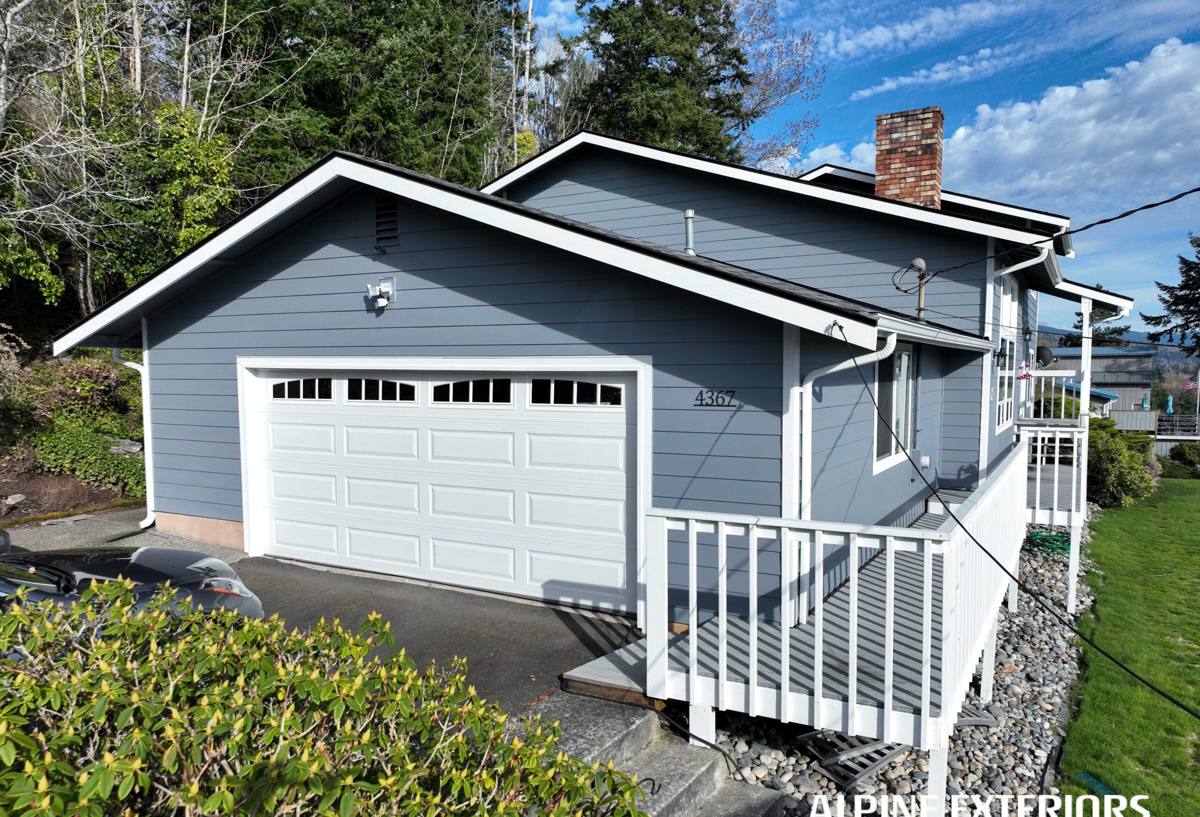
Why Countryside Roofs Take a Different Kind of Beating
Pinellas County roofs deal with a combination of stresses that few other regions see all at once. Understanding each one helps explain why a repair that looks fine from the ground can still be hiding a real problem.
Hurricane-Force Wind
Wind doesn't just rip off loose shingles — it gets underneath the roof edge and starter course, works into any gap in the sealant strip, and can lift an entire section if the fasteners or adhesive were never right to begin with. Even wind that falls short of hurricane strength can loosen tabs over several storms, so damage often accumulates instead of happening all at once.
Wind-Driven Rain
Straight-down rain is easy for a roof to shed. Rain driven sideways by high wind is a different problem — it can push up under shingle edges, ridge caps, and flashing, finding any seam that isn't fully sealed. This is how a roof with no visible missing shingles still ends up with a water stain on a ceiling days after a storm has passed.
Salt Air and Corrosion
Being near the Gulf means metal components — flashing, nail heads, drip edge, vent boots — corrode faster here than they would further inland. Corroded fasteners lose their grip long before the shingle above them looks worn, which is a common cause of "mystery" leaks after a storm.
Year-Round UV Exposure
Florida sun bakes the asphalt out of shingles and dries out rubber pipe boots and sealant faster than in milder climates. A roof that's UV-brittle going into storm season is far more likely to crack, lift, or tear under wind load than a roof of the same age in a cooler part of the country.
What Actually Counts as Storm Damage
Not every roof problem after a storm is storm damage in the way an insurance policy defines it, and not every legitimate storm issue is obvious. A proper assessment separates the two.
- Wind-lifted or missing shingles — the most visible kind, but also the easiest to underestimate if only the missing pieces are counted.
- Creased or bruised shingles — shingles that were bent by wind but didn't tear off; they've lost their seal and will leak eventually even though they're still in place.
- Flashing separation around chimneys, skylights, and roof-to-wall transitions, often loosened by wind and finished off by the next hard rain.
- Granule loss from wind-driven debris or hail, which accelerates UV damage to the shingle underneath.
- Soft or damp decking found only once a shingle is pulled back — the reason a surface-level look after a storm isn't enough.
What a Correct Repair Actually Involves
A repair that only replaces what's visibly missing often leaves the roof weaker than it was before the storm. We treat storm repair as a chance to verify the whole roof system, not just patch the obvious spot.
Inspection Before Anything Else
We check the roof surface, the flashing details, the attic side of the decking where accessible, and the ventilation. Water stains on decking or rafters tell us more about the real extent of damage than the shingle surface does.
Deciding Patch vs. Section vs. Full Replacement
Isolated wind damage in one area of a roof that's otherwise in good condition is usually a clean, targeted repair. Widespread creasing, granule loss, or a roof that was already near the end of its service life before the storm is a different conversation — patching it may pass a quick look but won't hold up through the next season.
Flashing and Underlayment, Not Just Shingles
Any repair we do reseats or replaces flashing at valleys, walls, and penetrations rather than just caulking over the old metal. Underlayment gets checked too — it's the layer that actually stops water if a shingle fails again, and it's often overlooked in a fast patch job.
Matching and Ventilation
We match shingle color and profile as closely as the product line allows, and we confirm the repaired area still ventilates correctly — a patch that blocks airflow can shorten the life of the roof around it even if the leak itself is fixed.
Our Process for Countryside Homeowners
- Free on-site inspection — we look at the whole roof, not just the spot you called about, since storm damage rarely stays in one place.
- Plain-language findings — what's damaged, what's original wear, and what can wait versus what needs attention now.
- Written scope and estimate — a clear description of the repair, materials, and price range before any work starts.
- Insurance documentation — photos and notes formatted the way adjusters expect, if you're filing a claim.
- The repair itself — done to match the surrounding roof system, not just the damaged section.
- Final walkthrough — we show you what was done and what to watch for going forward.
Repair Options and Cost Factors
Every storm repair falls somewhere on a spectrum from a small patch to a full roof replacement. The table below is a general guide — your actual scope depends on the inspection, not a phone estimate.
| Repair Type | When It Applies | What Drives the Cost |
|---|---|---|
| Spot patch | Isolated wind or debris damage on an otherwise sound, newer roof | Roof pitch and access, matching shingle availability |
| Section replacement | Damage concentrated in one slope or area, decking underneath is sound | Square footage affected, decking condition, flashing scope |
| Full re-roof | Widespread creasing/granule loss, or roof was already near end of life | Total roof size, material choice, underlayment upgrade, code-required ventilation changes |
| Flashing-only repair | Leak traced to a chimney, wall, or valley with otherwise good shingles | Number of penetrations, corrosion extent, accessibility |
As a rough guide, straightforward patch repairs on a typical single-family home often land in the low hundreds to low thousands of dollars, while section or full replacements move into the several-thousand-and-up range depending on size and materials. We'll always give you a real number after seeing the roof, not before.
Working With Your Insurance Claim
Storm damage claims move faster and get approved more cleanly when the documentation is thorough from the first visit. We photograph damage from the ground and, where safe, from the roof surface itself, and we describe findings in terms adjusters are used to seeing. We're not a public adjuster and we don't handle the claim on your behalf, but we can meet an adjuster on-site and point out damage that's easy to miss from a quick walk of the roof, including creased shingles and flashing separation that doesn't show from the ground.
Why a Crew That Already Works Countryside Matters
A roof repair crew that only shows up after a storm, does the fastest possible patch, and moves to the next town has no reason to think about how that patch performs during the next storm season. We work in Oldsmar and the surrounding Pinellas County neighborhoods on an ongoing basis, which means we see our own repairs again — during routine work for the same homeowner, for a neighbor, or on a return visit. That accountability shapes how we repair a roof the first time: correct flashing, correct fastening for local wind exposure, and materials suited to constant Gulf-area sun and salt air, not just whatever gets a leak stopped fastest.
It also means we already understand the roof types and slopes common in the area, so an inspection here tends to be faster and more accurate than one from a crew unfamiliar with local construction patterns.
Homeowner Checklist: After a Storm, Before You Call
- Walk the property line and look for shingle pieces or granules in gutters, downspouts, and on the ground.
- Check ceilings and closets on the top floor for new stains, even faint ones.
- Note any new sagging, especially near valleys or around chimneys and vent stacks.
- Photograph anything visible from the ground before cleanup — this helps both us and any insurance claim.
- Avoid getting on the roof yourself after a storm; wet, wind-loosened shingles are unstable underfoot.
- Call for an inspection even if nothing looks obviously wrong — creased shingles and lifted flashing rarely show from the ground.
Get an Honest Look Before Small Damage Becomes a Bigger Repair
If a recent storm has you wondering about your roof, or you just want a professional set of eyes on it before the next one comes through, we're glad to take a look. Fill out the form below for a free, no-pressure estimate — we'll tell you honestly what we find, what it needs, and what it doesn't.