 Oldsmar Siding
 Why Palm Harbor Roofs Take a Different Kind of Beating
Palm Harbor sits close enough to Tampa Bay and the Gulf that its homes deal with a combination of stresses most inland roofs never see. Hurricane-force winds and tropical systems roll through Pinellas County almost every storm season, and even when a named storm doesn't make a direct hit, the outer bands still bring sustained wind-driven rain that finds every weak point in a roof system. Add in Florida's relentless year-round UV exposure and the salt air drifting in off the water, and you have a roof that ages faster and fails differently than the same shingles would in a drier, cooler climate.
Most homeowners in Palm Harbor don't think about their roof until something goes wrong during or right after a storm. By then, the damage has usually been building for a while — granule loss from UV breakdown, flashing that's been slowly working loose, or nail pops that finally gave way under a gust. A storm rarely creates damage out of nothing; it exposes and accelerates weaknesses that were already there.
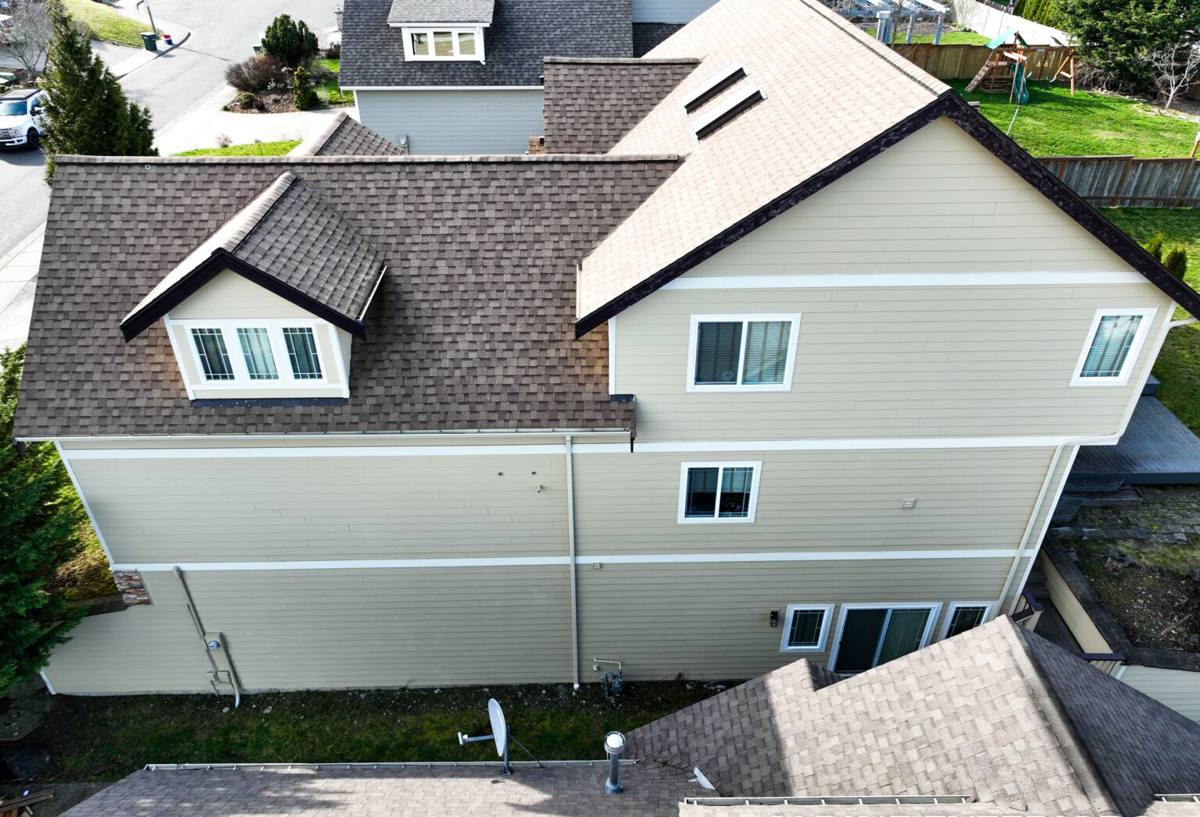
What Counts as Storm Damage (Even When It Isn't Obvious)
Not all storm damage looks like a missing section of shingles. Some of the most costly damage is the kind that doesn't show from the ground, which is exactly why so many Palm Harbor homeowners are surprised by a leak weeks after the weather has cleared.
Wind Damage
High winds lift shingle edges, break the sealant bond, and crease or tear shingles even when they stay attached. A shingle that's been lifted and re-seated by wind may look fine but no longer seals properly, which means the next rain event drives water underneath it. Ridge caps and shingles near roof edges and corners take the worst of it, since wind uplift pressure is highest there.
Water Intrusion
Wind-driven rain doesn't need a hole to get in — it just needs a gap. Flashing around chimneys, skylights, vent pipes, and roof-to-wall transitions is a common entry point, especially once sealant has dried and cracked in the sun. Once water gets under the roofing system, it can travel sideways along the deck before it ever shows up as a ceiling stain, so the leak point and the damage point are often in different places.
UV and Heat Damage
This one isn't storm-specific, but it sets the stage for storm damage. Constant sun exposure bakes the oils out of asphalt shingles over time, making them brittle. A roof that's been through a decade or more of Florida sun is far more likely to crack or shatter under wind stress than a newer roof, even if both took the same storm.
Our Storm Damage Roof Repair Process
Inspection and Documentation
We start with a full roof inspection, not just a look at the obvious damage. That means checking the field of the roof, all flashing points, the ridge, valleys, and the attic from the inside where accessible, since attic decking and insulation often show water intrusion before it reaches the ceiling below. We document what we find with photos, because that documentation matters if you end up filing an insurance claim.
Temporary Protection
If the roof has active openings — torn-off sections, exposed decking, damaged flashing — protecting the interior of the home comes before anything else. Tarping and temporary sealing stop ongoing water intrusion while we plan the permanent repair, which matters because secondary water damage to decking, insulation, and interior finishes can end up costing more than the original roof damage.
Repair Scope Decision
Not every storm-damaged roof needs full replacement, and not every repair should be treated as a patch job. We evaluate the roof's age, the extent of the damage, and whether the surrounding shingles are still in good enough condition to properly integrate a repair. An honest contractor tells you when a targeted repair will hold up and when it won't — stretching a patch over a roof that's past its useful life just sets you up for a repeat visit.
Repair Options: What Each Involves and Costs
The right repair approach depends on how much of the roof is affected and how the existing roofing has held up overall. Here's a general comparison of the paths we consider:
| Repair Type | What It Involves | Best For | General Cost Factor |
|---|---|---|---|
| Spot Repair | Replacing individual shingles, resealing flashing, fixing isolated leaks | Localized wind or water damage on an otherwise sound roof | Lowest — limited materials and labor |
| Section Replacement | Tearing off and replacing a slope or defined area, including underlayment | Concentrated damage to one area, such as a single slope facing the storm | Moderate — scales with square footage affected |
| Full Roof Replacement | Complete tear-off and reinstallation of roofing system, underlayment, and flashing | Widespread damage, an aging roof near the end of its service life, or repeated storm hits | Highest — but often the most cost-effective long-term option on older roofs |
We'll walk you through which category your roof falls into and why, rather than defaulting to the most expensive option. If a spot repair genuinely solves the problem, that's what we'll recommend.
Materials We Choose for Palm Harbor Conditions
Given the combination of wind, UV, and salt air Palm Harbor roofs deal with, we lean toward materials and installation methods built for that environment rather than the cheapest option available.
- Shingles rated for higher wind uplift resistance, appropriate for coastal Pinellas County exposure
- Synthetic underlayment that holds up better to prolonged moisture exposure than older felt products
- Corrosion-resistant flashing and fasteners, since salt air accelerates rust on standard metal components
- Proper sealant application at every penetration point — vents, pipe boots, chimneys — rather than relying on caulk alone
We also pay attention to current Florida Building Code wind-resistance requirements for roofing in our area. Meeting code isn't a bonus feature — it's the baseline for a repair that's actually built to survive the next storm rather than just look finished.
Working With Your Insurance Claim
Many storm damage repairs in Palm Harbor go through homeowners insurance, and the process goes smoother when the documentation is thorough from the start. We provide the photos, damage assessment, and scope of work your adjuster will need, and we're available to walk the roof with an adjuster if that's helpful. What we won't do is inflate a claim or invent damage that isn't there — that approach creates problems for you down the line, not savings. Our job is to give you an accurate picture of what the storm actually did and what it will take to fix it correctly.
Why Local Experience in Palm Harbor Matters
After a major storm, it's common to see contractors from out of the area going door to door in Pinellas County neighborhoods, offering fast repairs. Some of that work is fine. A lot of it isn't, because those crews aren't around to answer for the repair once the storm season attention moves elsewhere.
Working with a crew that's already established in the Oldsmar and Palm Harbor area means a few practical things: we know how local roofs are typically built and what tends to fail first in this climate, we're reachable after the job is done if a question comes up, and we're not pricing based on post-storm demand spikes. We also understand the permitting expectations for roofing work in this part of Pinellas County, which keeps the repair process from stalling out on paperwork.
Warning Signs of a Storm-Chasing Contractor
- Unsolicited door-to-door offers right after a storm, with pressure to sign immediately
- No permanent local address or a business that only appeared after the last major storm
- Reluctance to provide proof of licensing and insurance before starting work
- Requests for full payment upfront, before any work is inspected or completed
- Vague or missing written scope of work
After the Repair: Protecting Your Investment
A properly executed storm repair should hold up, but a little ongoing attention extends the life of any Florida roof significantly. Once the repair is done, a simple maintenance routine helps you catch the next issue early instead of after it becomes a leak.
- Do a visual check after every significant storm — look for lifted shingles, debris accumulation, and displaced flashing
- Keep gutters and downspouts clear so water isn't pooling against the roofline
- Trim back overhanging branches that can abrade shingles in high wind or drop debris during a storm
- Have the roof professionally inspected roughly once a year, and always before hurricane season ramps up
- Address minor issues — a lifted shingle, a small sealant crack — promptly rather than waiting for them to become leaks
Request a Free Storm Damage Roof Inspection
If your Palm Harbor home has been through recent storm weather, or you're just not sure whether last season's wind and rain left anything behind, we're glad to take a look. The estimate is free, there's no pressure to move forward, and you'll get a straight answer about what your roof actually needs. Fill out the form below to get started.