 Oldsmar Siding
 Windows Built for Dunedin's Gulf-Coast Conditions
Dunedin sits close enough to the Gulf that its homes take a different kind of beating than houses further inland. Salt-laden air corrodes hardware and finishes faster than dry climates ever would. Afternoon storms roll in fast and hard, driving rain sideways under poorly flashed frames. And the sun is relentless almost every day of the year, which is hard on vinyl frames, glazing seals, and interior furnishings alike. When we install windows in Dunedin, we're not just fitting glass into a hole in the wall — we're building a barrier against wind, water, UV, and salt that has to hold up for decades, not years.
A window that's a good fit for a home in a drier, calmer part of the country can be the wrong choice here. That's why window installation in this part of Pinellas County has to start with the climate, not with a catalog.
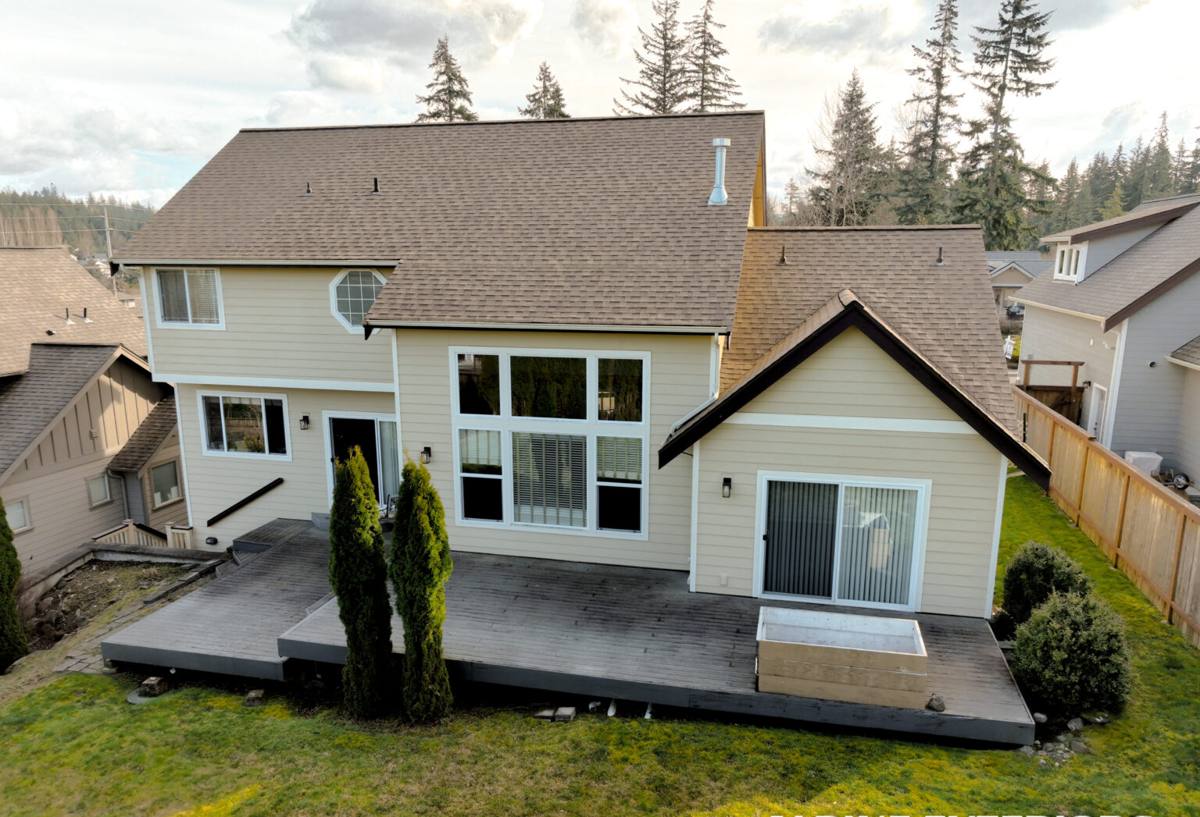
What Coastal Exposure Does to a Window Over Time
If you've owned a home in Dunedin for more than a few years, you've probably already seen some of this firsthand:
- Corroded hardware: latches, cranks, and hinges on older or lower-grade windows pit and seize up from salt air exposure, especially on homes closer to the water.
- Failed seals: UV exposure breaks down the seals around insulated glass units over time, letting moisture seep between the panes and causing that cloudy, foggy look.
- Water intrusion at the frame: wind-driven rain during storms finds any gap in flashing or caulking and pushes water into the wall cavity, which leads to hidden rot and mold long before you see a stain on the drywall.
- Chalking and fading frames: constant sun exposure breaks down lower-quality vinyl and paint finishes, leaving frames looking chalky or discolored years before they should.
- Energy loss: old or poorly sealed windows let conditioned air escape, which shows up directly on your summer cooling bills.
None of this means windows are a bad investment here — it means the installation and the product both need to be matched to what the Gulf coast actually does to a house.
What Correct Window Installation Actually Involves
A lot of window problems homeowners deal with aren't product failures — they're installation shortcuts. The window itself can be excellent and still leak, rattle, or fail early if it wasn't set correctly. A proper installation in this climate includes several steps that are easy to skip and hard to notice until something goes wrong.
Removing the Old Window the Right Way
We remove the existing window and inspect the rough opening before anything new goes in. This is the point where hidden problems — old water damage, soft wood, rusted fasteners — actually get found. Skipping this step and just fitting a new window into a damaged opening is how small problems become expensive ones.
Flashing and Weatherproofing
Proper flashing directs water away from the opening and down the wall rather than letting it pool at the sill or work its way behind the siding. In a market with as much wind-driven rain as Dunedin sees, this step matters more than almost anything else in the install. We use weatherproofing materials appropriate for coastal humidity, not just whatever came in the box.
Shimming and Leveling
A window has to be plumb, level, and square in the opening, supported by shims at the right points so it doesn't rack, bind, or put stress on the frame corners. A window installed slightly out of square will bind at the sash, leak at the corners, and wear out its hardware faster.
Sealing and Insulating
The gap between the window frame and the rough opening gets insulated and sealed with the right materials — not just packed with whatever's on hand. Over-filling with the wrong expanding foam can actually bow the frame and cause the window to operate poorly.
Fastening for Wind Load
Florida's building code sets specific requirements for how windows are fastened based on your wind zone, and Pinellas County enforces those requirements through permitting and inspection. This isn't optional or a place to cut corners — it's the difference between a window that stays put in a bad storm and one that doesn't.
Choosing the Right Window for a Dunedin Home
Not every window sold in Florida is built for Gulf-coast exposure, and not every "impact-rated" label means the same thing. Here's how the main factors generally compare:
| Factor | What to Look For | Why It Matters Here |
|---|---|---|
| Impact rating | Meets Florida Building Code impact standards for your wind zone | Protects against wind-borne debris in tropical storms and hurricanes |
| Frame material | UV-stabilized vinyl or properly finished aluminum | Resists chalking, warping, and fading under constant sun |
| Hardware | Corrosion-resistant, marine-grade or coastal-rated hardware | Salt air degrades standard hardware faster near the coast |
| Glass package | Low-E coated, insulated glass unit | Cuts heat gain and reduces cooling costs through most of the year |
| Seal quality | Warrantied against seal failure and interior fogging | UV and heat cycling stress seals more here than in milder climates |
Impact-rated windows have become the standard choice for coastal Pinellas County for good reason: they hold up to wind-borne debris, they meet code without requiring separate storm shutters or panels, and many insurers offer premium credits for verified impact glass. That doesn't mean every home needs the top-tier product on the market — it means the choice should be based on your home's exposure, your budget, and what the code actually requires for your specific wind zone, not a one-size-fits-all pitch.
A Note on Product Selection
We install product lines we've vetted for how they hold up specifically in coastal Florida conditions — seal durability, hardware corrosion resistance, and how the frame material handles years of direct sun. We're upfront when a lower-cost option comes with real trade-offs, like a shorter seal warranty or hardware that needs more frequent maintenance near the water. That's a decision that should be made with full information, not discovered five years later.
Our Window Installation Process
- On-site assessment: we look at your existing windows, note any signs of water intrusion or frame damage, and measure each opening precisely.
- Product selection: we walk through options that fit your home's exposure, your budget, and Pinellas County's wind zone requirements — no upselling to product you don't need.
- Permitting: window replacement in Dunedin generally requires a permit and inspection through Pinellas County or the applicable local building department; we handle that paperwork so you don't have to.
- Removal and inspection: old windows come out, and we check the rough opening for hidden damage before installing anything new.
- Installation: proper flashing, shimming, sealing, and fastening, done to code, not just to "make it fit."
- Final inspection and walkthrough: we check operation, seal integrity, and finish work, and walk you through anything you need to know about care and warranty.
Why It Matters That We Already Work in This Area
A crew that installs windows across a lot of different climates treats every job the same way. A crew that works Dunedin and the surrounding Pinellas County coastline regularly knows which details actually matter here: how close a home is to the water, what that means for hardware and finish selection, which streets and neighborhoods tend to see more wind-driven rain during storms, and what the local permitting process actually requires. That local familiarity shows up in fewer surprises during the job and fewer callbacks after it.
It also means we're not guessing at wind zone requirements or treating Florida Building Code compliance as an afterthought. We build every installation to meet what's actually required for a coastal Pinellas County home, not the minimum for a milder inland market.
Signs Your Dunedin Home May Need New Windows
- Visible fogging or cloudiness between the panes of glass
- Windows that are difficult to open, close, or lock
- Noticeable drafts even when the windows are fully closed
- Soft or discolored wood around the frame, inside or out
- A rise in cooling costs without a clear explanation
- Visible corrosion on hinges, cranks, or latches
- Frames that are chalky, warped, or visibly sun-damaged
If you're seeing more than one or two of these, it's worth getting an honest assessment before the underlying problem — usually water intrusion — spreads further into the wall.
Maintenance That Extends the Life of Your Investment
Even a correctly installed, well-built window benefits from a little upkeep in a salt-air climate. Rinsing frames and hardware periodically to clear salt residue, checking exterior caulking annually for cracks or gaps, and keeping weep holes clear of debris all go a long way toward getting the full lifespan out of your windows. We're happy to walk you through what to watch for on your specific product after installation.
Get a Straightforward Estimate
If your windows in Dunedin are showing their age, letting in drafts, or you just want an honest opinion on whether repair or replacement makes more sense, we're glad to take a look. Fill out the form below for a free, no-pressure estimate — we'll tell you what we actually see, not just what's easiest to sell.