 Oldsmar Siding
 Window Installation Built for a Bayfront Neighborhood
Feather Sound sits right up against Old Tampa Bay, and that location shapes what a window replacement actually needs to hold up to. Homes here catch more open-water wind, more salt-laden air, and more direct sun than houses set back inland, and the mix of single-family homes, townhomes, and condo buildings in the area means the right window — and the right installation method — isn't the same from one property to the next. A window that's simply "up to code" on paper can still leak, fog, or fail early if the installer doesn't account for the specific exposure a Feather Sound property gets.
This page covers what we look at when we install windows in Feather Sound specifically: the climate factors at play, what a correct installation involves in Pinellas County, and how we approach the job from first measurement to final inspection.
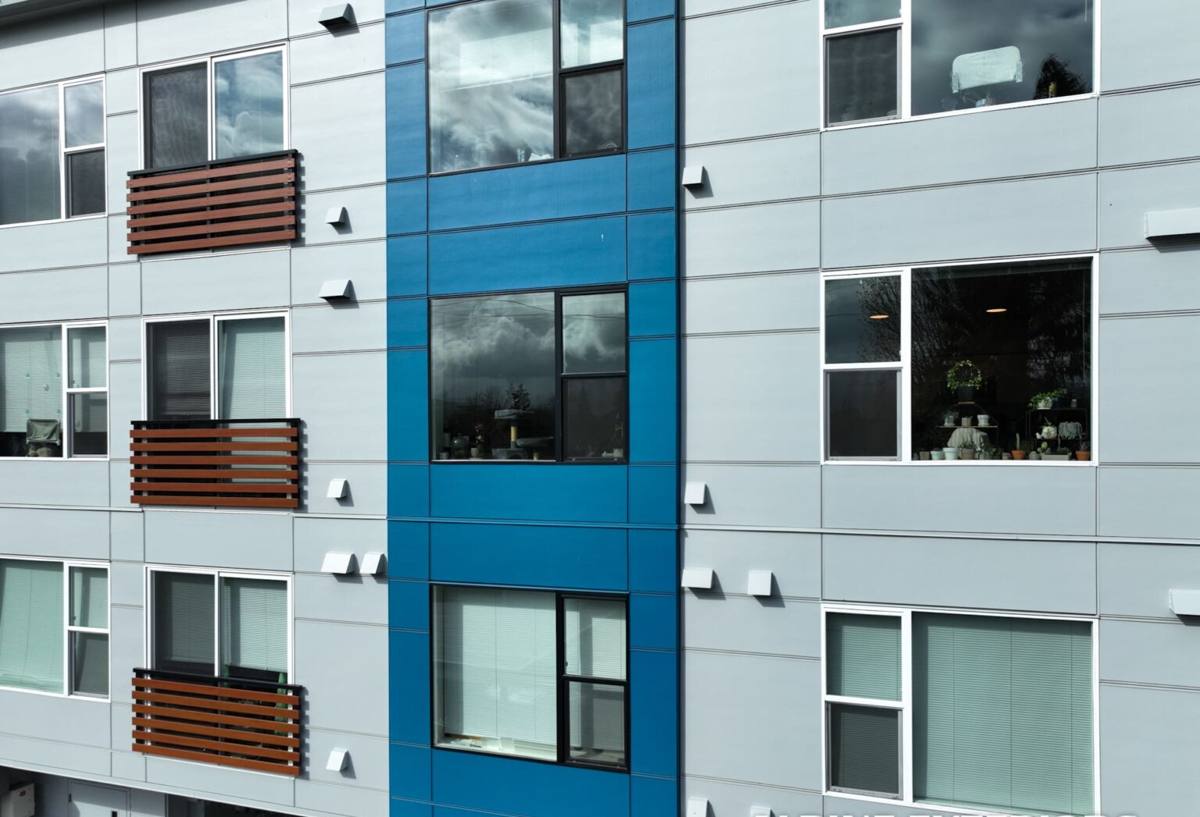
What Tampa Bay's Climate Does to Windows Over Time
Wind-Driven Rain and Storm Pressure
Open water means wind hits harder and more often than it does further inland. During storms, rain doesn't just fall — it gets driven sideways into window frames under real pressure. If the flashing, sealant, or window itself isn't installed to shed water under that kind of load, it finds its way behind the frame and into the wall cavity, where damage often isn't visible until it's already extensive. Wind-borne debris is the other half of the equation: even a modest storm can turn loose landscaping material or roof debris into an impact hazard for glass that isn't rated to take a hit.
Salt Air and Corrosion
Proximity to Old Tampa Bay means a steady, low-level exposure to salt in the air, even without a direct waterfront lot. Salt accelerates corrosion on window hardware — hinges, locks, balance mechanisms, and screws — and it degrades weep systems and metal flashing faster than it would in a purely inland location. Windows and components rated or finished for coastal exposure hold up noticeably longer here than standard-grade hardware.
Year-Round UV Exposure
Florida's sun is intense and consistent almost every month of the year. UV breaks down vinyl frames, dries out and cracks sealants, and fades interior finishes near glass that isn't properly rated for solar exposure. A window with the wrong glass package can also drive up cooling costs significantly, since UV and heat gain go hand in hand through unprotected glass.
What "Correct" Installation Actually Means in Pinellas County
Wind Load and Product Approval
Windows installed in Florida need a documented wind load rating and product approval — either a Florida Product Approval number or a Miami-Dade Notice of Acceptance — that matches the wind zone and exposure category of the property. Pinellas County is not in the state's High-Velocity Hurricane Zone, but it does fall under the wind-borne debris region, which means glass and anchoring still have to meet specific pressure and impact standards. The correct rating depends on the home's height, exposure, and location relative to open water, not just a generic "hurricane window" label.
Waterproofing and Flashing
The window unit itself is only part of the system. Proper installation means integrating flashing tape, sealant, and (on new construction or full frame-out jobs) a fluid-applied or self-adhered waterproofing membrane around the rough opening so water is directed out and down, never trapped behind the frame. Skipping or shortcutting this step is the single most common cause of hidden leaks and wall rot behind an otherwise fine-looking window.
Permitting and Inspection
Window replacement in Oldsmar requires a permit, and the job gets inspected against the approved product and installation method on file. We handle the permit application and schedule the required inspections as part of the job — it's not an optional add-on, and skipping it can create real problems if you ever sell the home or file an insurance claim.
CBS Construction and Feather Sound's Housing Mix
Much of the housing stock in this part of Pinellas County is concrete block and stucco (CBS) construction, which changes how a window has to be anchored compared to a wood-framed house. Block-frame or flush-fin windows are secured directly into the masonry opening with anchors set to the manufacturer's and code-required spacing, then sealed and finished with stucco or trim to match the surrounding wall. Get the anchor spacing or embedment wrong, and the window's wind rating on paper doesn't mean much in practice.
Feather Sound also has a meaningful share of condos and townhomes, where window replacement often has to go through a homeowners' or condo association before work starts, and sometimes has building-wide requirements on window style, color, or approved products. We factor that into scheduling and product selection so the paperwork doesn't hold up the physical work any longer than it needs to.
Choosing the Right Window for a Feather Sound Home
There's no single "best" window — the right choice depends on budget, how close to open water the property sits, and how much of the storm protection burden you want the glass itself to carry versus shutters or panels. Here's how the main factors compare:
| Factor | What It Affects | Feather Sound Consideration |
|---|---|---|
| Impact-rated glass vs. standard glass + shutters | Upfront cost, storm prep effort, daily usability | Impact glass needs no storm-day setup and holds up to daily debris risk near open water; shutters cost less upfront but require action before every storm |
| Frame material (vinyl vs. aluminum) | Longevity, maintenance, thermal performance | Coastal-grade finishes matter more here due to salt air; aluminum needs a quality finish to resist corrosion, vinyl needs UV-stable formulation |
| Glass package (Low-E, tint, laminate) | Cooling costs, UV fading, sound dampening | Year-round sun makes Low-E and UV protection worth the upgrade almost everywhere in this area |
| Installation method (retrofit vs. full frame-out) | Cost, disruption, waterproofing quality | Full frame-out gives the cleanest waterproof seal but involves more stucco/drywall repair; retrofit is faster where the existing frame is sound |
| HOA/condo approval requirements | Timeline, allowed products and colors | Common in Feather Sound's condo and townhome communities — worth checking before ordering product |
Our Installation Process, Step by Step
- Site visit and measurement: We assess each opening individually, note the construction type (block vs. frame), and measure for an exact product fit.
- Product selection: We walk through wind rating, glass package, and frame material options based on your budget and the property's exposure.
- Permitting: We pull the required Oldsmar/Pinellas County permit before work begins and schedule inspections at the required stages.
- Removal: Old windows come out carefully to protect the surrounding stucco, drywall, and interior finishes.
- Opening prep and waterproofing: We check the rough opening for damage, correct anything we find, and install flashing and waterproofing before the new unit ever goes in.
- Installation: The window is set level, plumb, and square, anchored per the manufacturer's and code-required spacing, then insulated and sealed.
- Finish work: Interior and exterior trim, caulking, and any stucco patching are completed to match the surrounding wall.
- Final inspection and walkthrough: We confirm the county inspection passes, then walk the job with you before we call it done.
Signs Your Current Windows Are Ready for Replacement
Not every window problem means a full replacement, but a few signs consistently point that way for homes in this area:
- Fogging or condensation between the panes of a double-pane window (a broken seal that can't be repaired)
- Frames that feel soft, chalky, or show visible corrosion on hardware
- Difficulty opening, closing, or locking a window that used to work fine
- Visible daylight, drafts, or water staining around the frame after rain
- A noticeable jump in cooling costs without another clear cause
- Windows that predate the home's most recent wind-rating requirements and lack any documented product approval
Why Local Experience in Feather Sound Matters
A crew that regularly works this part of Pinellas County already knows which wind and exposure ratings apply here, how Oldsmar's permitting process runs, and how CBS block openings need to be anchored and sealed. That familiarity shows up in fewer surprises mid-job — no guessing on product approval numbers, no scrambling to figure out an HOA's submission process, no underestimating what open-water exposure does to hardware over time. It also means we're not learning the area's building department requirements on your project; we already know them.
If you're weighing your options for a Feather Sound home, we're happy to take a look and give you a straightforward read on what your windows need — no pressure, no upsell, just an honest assessment. Fill out the form below for a free estimate.