 Oldsmar Siding
 Windows Built for Safety Harbor's Waterfront Climate
Safety Harbor sits along Old Tampa Bay in Pinellas County, close enough to open water that its homes take on a different set of stresses than houses further inland. The combination is tough on windows specifically: hurricane-force wind gusts test the frame and seal, near-constant Florida sun degrades vinyl and glazing over time, wind-driven rain finds any gap in flashing or caulking, and salt-laden air corrodes hardware and fasteners faster than it would in a drier, inland climate. A window that was installed to a builder-grade standard twenty or even ten years ago is often not built to hold up against all four of those at once.
We're based in Oldsmar and work in Safety Harbor regularly, which means we're replacing windows in the same wind exposure, humidity, and salt air conditions your home deals with every day — not guessing at it from a spec sheet. This page covers what actually matters for a window replacement done right in this specific area: what to watch for, what a correct installation involves, how we approach the job, and what to consider when picking a window for a home this close to the bay.
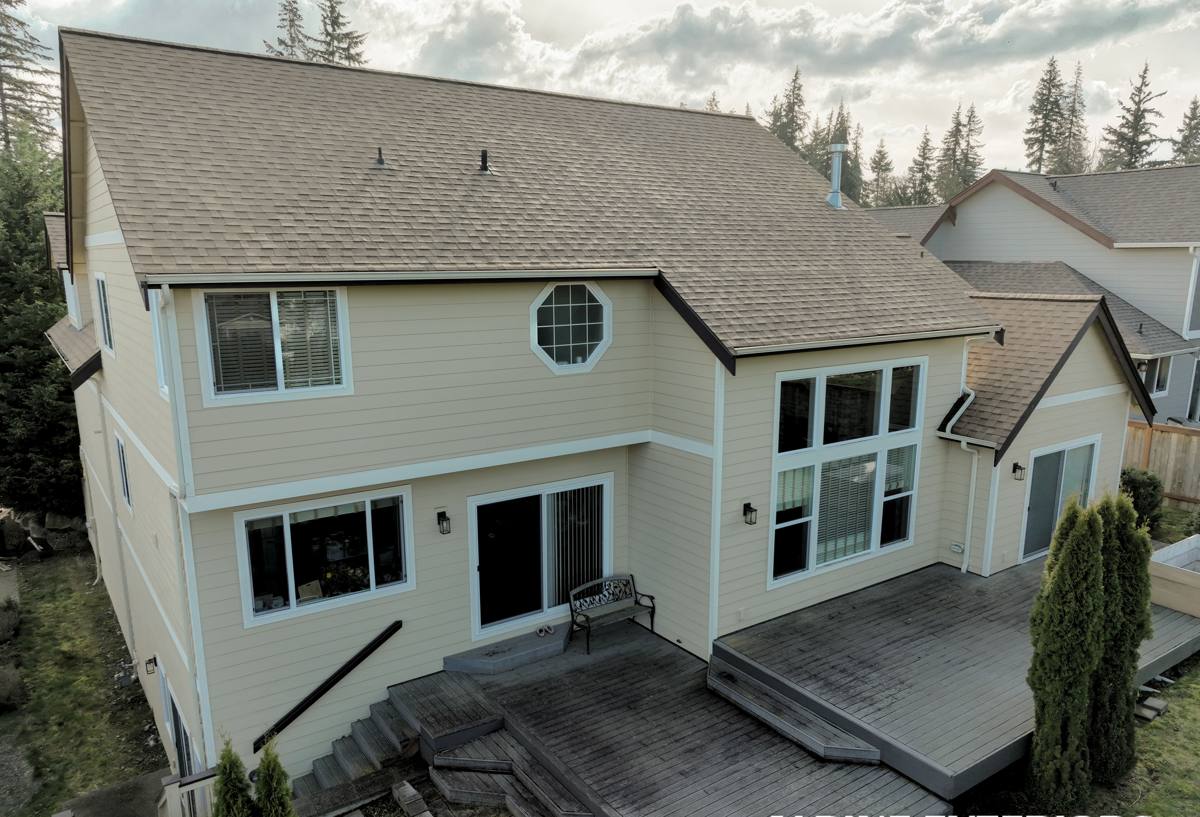
Signs Your Windows Are Due for Replacement
Window failure in this climate is usually gradual, and homeowners often live with problems for years before connecting them to the windows themselves. Some of the most common signs we see on service calls in and around Safety Harbor:
Fogging or Cloudiness Between the Panes
On double-pane windows, this means the seal holding the gas fill between the two panes of glass has failed. Once that seal breaks, humidity gets in and the insulating gas leaks out — the window still looks intact from a distance, but it's no longer doing its job and the fog won't clean off because it's inside the sealed unit.
Drafts, Whistling, or Rattling in Wind
If you can feel air movement near a closed window, or it whistles or rattles when the wind picks up off the bay, the frame seal or weatherstripping has degraded. This is also a sign the window may not be sealing properly against wind-driven rain, which is a bigger problem than the draft itself.
Water Staining or Soft Drywall Near the Frame
Wind-driven rain doesn't need a storm to find a weak point — a strong afternoon squall can push water sideways into a compromised seal. Staining, bubbling paint, or soft drywall below or around a window frame usually means water has already been getting in for a while.
Hardware That's Corroded, Stuck, or Hard to Operate
Salt air accelerates corrosion on window hardware — locks, cranks, and balances — faster than most homeowners expect. If a window is difficult to open, close, or lock, that's often a hardware or frame issue rather than something a homeowner can fix with lubricant alone.
What a Correct Window Replacement Actually Involves
Window replacement gets treated as a simple swap more often than it should be. Done right, it's a sequence of steps where skipping any one of them shows up later as a leak, a draft, or a failed inspection.
Removing the Old Window and Inspecting the Opening
Once the old window is out, the rough opening gets inspected for rot, framing damage, or existing moisture intrusion — problems that are invisible until the window is removed. Any damaged wood or compromised sheathing needs to be addressed before a new window goes in, or it will undermine the new installation regardless of how good the window itself is.
Flashing and Moisture Barrier
This is the step most likely to get rushed, and it's the one that determines whether wind-driven rain actually stays out. Proper flashing integrates with the home's existing weather-resistive barrier so water is directed out and away from the wall assembly, not just caulked over and hoped for.
Selecting the Right Frame and Glass for the Opening
The new window needs to match the opening's structural requirements, not just its dimensions. In Pinellas County's wind-borne debris region, that generally means the window is either impact-rated on its own or paired with an approved form of opening protection — this isn't optional trim-level preference, it's a code requirement tied to your specific location and exposure.
Sealing, Insulating, and Finishing
The gap between the window frame and the rough opening gets properly insulated and sealed — not overpacked, which can bow the frame, and not left loose, which leaves a path for air and water. Interior and exterior trim is reinstalled or replaced to match, and every unit is tested for smooth, correct operation before we consider the job finished.
Choosing a Window for a Bay-Adjacent Home
Not every window sold as "hurricane" or "impact-rated" performs the same way once you factor in salt air exposure and long-term UV. The table below covers the main factors worth weighing for a home in Safety Harbor's exposure.
| Factor | What to Look For | Why It Matters Here |
|---|---|---|
| Frame material | Vinyl or fiberglass with UV-stabilized formulation | Standard vinyl can yellow and become brittle under sustained Florida sun; UV-rated formulations resist this longer |
| Hardware | Corrosion-resistant, marine-grade or coated hardware | Salt air corrodes standard steel hardware faster near open water |
| Glass rating | Impact-rated laminated glass meeting local wind-borne debris requirements | Protects the opening during high wind events without relying on separate shutters |
| Installation method | Properly flashed and sealed to the wall's moisture barrier | The best window on the market still leaks if the installation around it is wrong |
| Warranty structure | Coverage that includes both the product and the labor | Manufacturer warranties often exclude installation errors — ask what's actually covered |
We steer homeowners away from lower-tier aluminum-frame windows in this specific exposure — not because aluminum can't work in general, but because it conducts heat and can corrode faster near the bay, and it tends to show wear sooner than vinyl or fiberglass alternatives under the same UV and salt exposure. That's a maintenance and longevity trade-off worth knowing about before you buy, not a claim that any particular brand is defective.
How We Approach a Job in Safety Harbor
1. On-Site Assessment
We look at each opening individually — not every window on a home fails the same way or needs the same fix. We check framing condition, current flashing, and whether existing openings meet current wind protection requirements.
2. Accurate Measurement and Ordering
Windows are measured to the actual opening, not to the old unit's nominal size, since older openings are rarely perfectly square after years of settling and weather exposure.
3. Installation Day
Old units come out, openings get inspected and repaired as needed, new windows go in with correct flashing and sealing, and hardware is tested before we move to the next opening.
4. Final Walkthrough
Every window gets opened, closed, and locked in front of you, and we go over basic care so you know what normal wear looks like versus something worth calling about.
Why It Matters That We Already Work in This Area
A crew that regularly works Safety Harbor and the surrounding Oldsmar area already understands the local permitting process, the wind protection requirements tied to this part of Pinellas County, and the kind of moisture and salt exposure homes here deal with year-round. That's different from a crew that primarily works inland and treats a bay-adjacent job the same as any other. We pull the required local permits, and we build in the flashing and sealing detail this exposure calls for as a standard part of the job, not an upgrade.
Protecting Your Investment After Installation
New windows are a long-term investment, and a little regular attention goes a long way in this climate. A simple maintenance routine:
- Rinse frames and glass periodically to remove salt residue, especially after storms
- Check and lubricate hardware (locks, cranks, rollers) once or twice a year
- Inspect exterior caulking annually and have any cracked or separated sections resealed
- Keep an eye on interior sills and trim for early signs of moisture
- Trim back vegetation or sprinklers that spray directly onto window frames
- Test operation of each window seasonally so a stuck unit doesn't go unnoticed
Get a Free, No-Pressure Estimate
If your windows are drafty, foggy, hard to operate, or you're simply not confident they'd hold up in the next serious storm, it's worth having them looked at by a crew that knows this specific area. We'll walk your home, give you an honest read on what's going on, and put together a straightforward estimate — no pressure, no scare tactics. Use the form below to request your free estimate.