 Oldsmar Siding
 Window Installation Built for Clearwater's Coastal Climate
Clearwater homes sit close to the Gulf, and that location comes with a trade-off. The same water views that make the area desirable also mean windows here take a beating no inland home ever sees. Hurricane-force winds during storm season, intense UV exposure nearly every day of the year, wind-driven rain that finds its way through the smallest gap, and salt-laden air that corrodes hardware faster than almost anywhere else in the state. A window installation that would hold up fine in a landlocked climate can fail within a few years in Clearwater if it isn't specified and installed with these conditions in mind.
This page covers what window installation actually requires for homes in this part of Pinellas County — not generic advice, but the specific factors that matter here, and what a job done correctly looks like from start to finish.
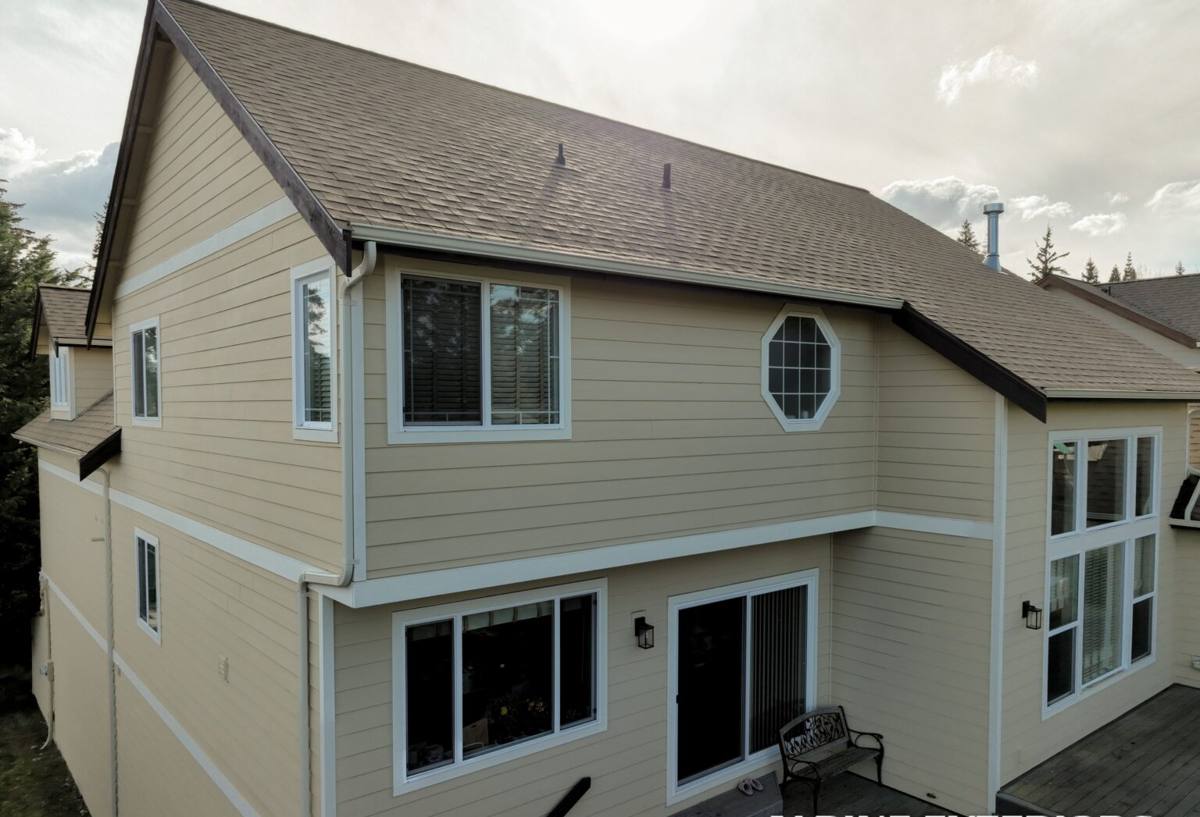
What Clearwater's Climate Actually Does to Windows
Wind Load and Storm Pressure
During tropical storms and hurricanes, wind doesn't just push against a window — it creates pressure differences that can pull a poorly anchored unit out of its opening, and it can drive debris into glass at high speed. Windows facing open exposure, upper floors, and corners of the house see the highest loads. This is why window selection and anchoring matter more here than in most of the country.
UV Exposure
Florida gets more sun hours than almost any other state, and that UV load breaks down vinyl frames, dries out sealants, and fades interior finishes over time. Windows with poor UV-stabilized materials or cheap glazing compounds age visibly within a few years — cracking, chalking, or losing their seal.
Wind-Driven Rain
Ordinary rain falls straight down. Wind-driven rain in a coastal storm comes in sideways, under eaves, and against surfaces that were never designed to shed water horizontally. If flashing and sealant details aren't done correctly, this is exactly the kind of rain event that finds the weak point and pushes water behind the frame and into the wall cavity.
Salt Air Corrosion
Being close to the Gulf means airborne salt settles on hardware, screws, and metal components. Over time, untreated or low-grade fasteners and hinges corrode, weep systems clog, and locking hardware starts to stick or fail. Materials and fasteners rated for coastal exposure aren't optional here — they're the difference between windows that operate smoothly for decades and ones that need constant adjustment.
What a Correct Installation Actually Involves
A window installation is only as good as the details most homeowners never see once the trim is back on. The visible window is the easy part — the flashing, fastening, and sealing underneath it are what determine whether the installation holds up through the next decade of Gulf coast weather.
- Removing the old window and inspecting the rough opening for rot, moisture damage, or framing issues before anything new goes in
- Installing a proper flashing sequence so water is directed out and away from the wall assembly, not trapped behind the window
- Anchoring the new window per its tested and rated fastening schedule, not just "enough screws to hold it in place"
- Using sealants and backer rod rated for exterior, high-UV exposure — not general-purpose caulk
- Confirming the window's design pressure (DP) rating and impact rating match what the opening and elevation require
- Checking that weep holes and drainage paths are clear and functioning before the job is called finished
- Final air and water seal check, plus a walkthrough of proper operation and lock engagement
Skipping any one of these steps doesn't usually cause an immediate, visible problem. It shows up months or years later as a leak, a soft spot in the wall, or a window that fails during the next serious storm — which is exactly when you don't want to find out.
Meeting Florida Building Code Requirements
Pinellas County falls within Florida's wind-borne debris region under the Florida Building Code, which means replacement windows generally need to meet specific impact or protection standards rather than whatever was originally installed decades ago. Permit requirements and inspection are part of a compliant replacement, not an optional add-on. A contractor who treats permitting as a formality — or skips it — is putting the homeowner at risk for insurance and resale problems down the road, not just code compliance on paper.
Choosing the Right Window for a Clearwater Home
Not every home needs the same window spec, but every home in this area needs a window that was actually engineered for coastal wind and water exposure. Here's how the common options compare:
| Window Type | Wind/Impact Performance | Maintenance | Best Fit |
|---|---|---|---|
| Impact-rated (laminated glass) | Built to resist wind-borne debris without added shutters | Low — no separate storm panels to install/store | Homes with direct wind exposure, or owners who want permanent protection |
| Non-impact + code-approved shutters | Meets code when shutters are deployed correctly every time | Higher — shutters must be installed before every storm | Budget-conscious projects where storm prep isn't a burden |
| Standard vinyl (non-coastal grade) | Not rated for wind-borne debris zones | Frame and seal breakdown accelerated by UV and salt air | Not recommended for this area as a primary window |
Frame material matters too. Quality vinyl and fiberglass frames with UV-stabilized formulations hold up well here; lower-grade vinyl tends to warp, yellow, or become brittle faster under constant Gulf coast sun. We'll walk through the trade-offs for your specific home rather than pushing one product line as a one-size-fits-all answer.
Our Installation Process
- On-site assessment: We look at each opening, note wind exposure, existing damage, and code requirements before recommending anything.
- Product and spec selection: We match window type, DP rating, and impact rating to what each elevation of your home actually needs — not a blanket spec for the whole house.
- Permitting: We handle the permit process so the job is documented and inspected correctly.
- Removal and opening prep: Old windows come out, and we address any rot or moisture damage found in the opening before installing anything new.
- Installation: Flashing, anchoring, and sealing are done to the manufacturer's tested installation instructions — the part that determines long-term performance.
- Final inspection and walkthrough: We check operation, seals, and drainage, and show you how everything works before we consider the job done.
Vetting a Window Contractor in This Area
Window installation is one of those jobs where a rushed or corner-cut install looks fine on day one and causes problems years later — which makes it easy for a low bid to look attractive at first. Before hiring anyone for a Clearwater-area window project, it's worth checking a few things:
- Are they pulling a permit for the work, or suggesting you skip it?
- Can they explain the DP rating and impact rating appropriate for your specific home and elevation?
- Do they follow the manufacturer's tested flashing and fastening instructions, or a generic install method?
- Are they familiar with Pinellas County's permitting and inspection process specifically, not just general contracting?
- Will they put the scope of work, materials, and warranty terms in writing before starting?
A contractor who works this area regularly should be able to answer all of these without hesitation. If you get vague answers or pressure to skip the permit, treat that as a warning sign.
Why Local Experience in Clearwater Matters
A crew that works in and around Clearwater and greater Pinellas County day-to-day already knows the local permitting office's process, the wind exposure differences between an inland lot and one closer to the water, and which installation details tend to get missed by out-of-area or one-off crews. That familiarity translates into fewer surprises — permits that move without back-and-forth, a spec that's right the first time, and an installation that accounts for what this specific climate does to a window over the following ten or twenty years, not just what it looks like on installation day.
Keeping Your New Windows Performing Long-Term
A correct installation is the foundation, but a little upkeep keeps windows performing for the long haul in this climate:
- Rinse frames and tracks periodically to clear salt residue before it accelerates corrosion
- Inspect exterior sealant annually for cracking or gaps, especially after storm season
- Keep weep holes clear of debris so water can drain as designed
- Operate locks and hardware regularly so salt air doesn't cause them to seize
- Have windows inspected after any major storm, even if no damage is visible from inside
If you're planning a window replacement or new installation for a Clearwater-area home, we're happy to take a look and give you a straight assessment of what your home needs — no pressure, no upsell. Use the form below to request a free estimate.