 Oldsmar Siding
 Board & Batten Siding Built for Dunedin's Coastal Conditions
Board and batten has become one of the most requested siding styles in Pinellas County, and it's easy to see why. The vertical boards and raised battens create strong shadow lines and a clean, tailored look that works on coastal cottages, craftsman bungalows, and modern farmhouse remodels alike. But in a Gulf Coast community like Dunedin, the style has to do more than look good. It has to survive hurricane-force wind gusts, near-constant UV exposure, wind-driven rain, and salt-laden air blowing in off the water. A board and batten system that isn't built and installed for those conditions will show it within a few seasons — through cupping boards, failed seams, or paint that chalks and fades early.
This page is specifically about board and batten siding for Dunedin homes, not siding in general. The install decisions that matter here — fastening pattern, batten spacing, moisture management, product selection — are shaped directly by Pinellas County's climate and wind exposure.
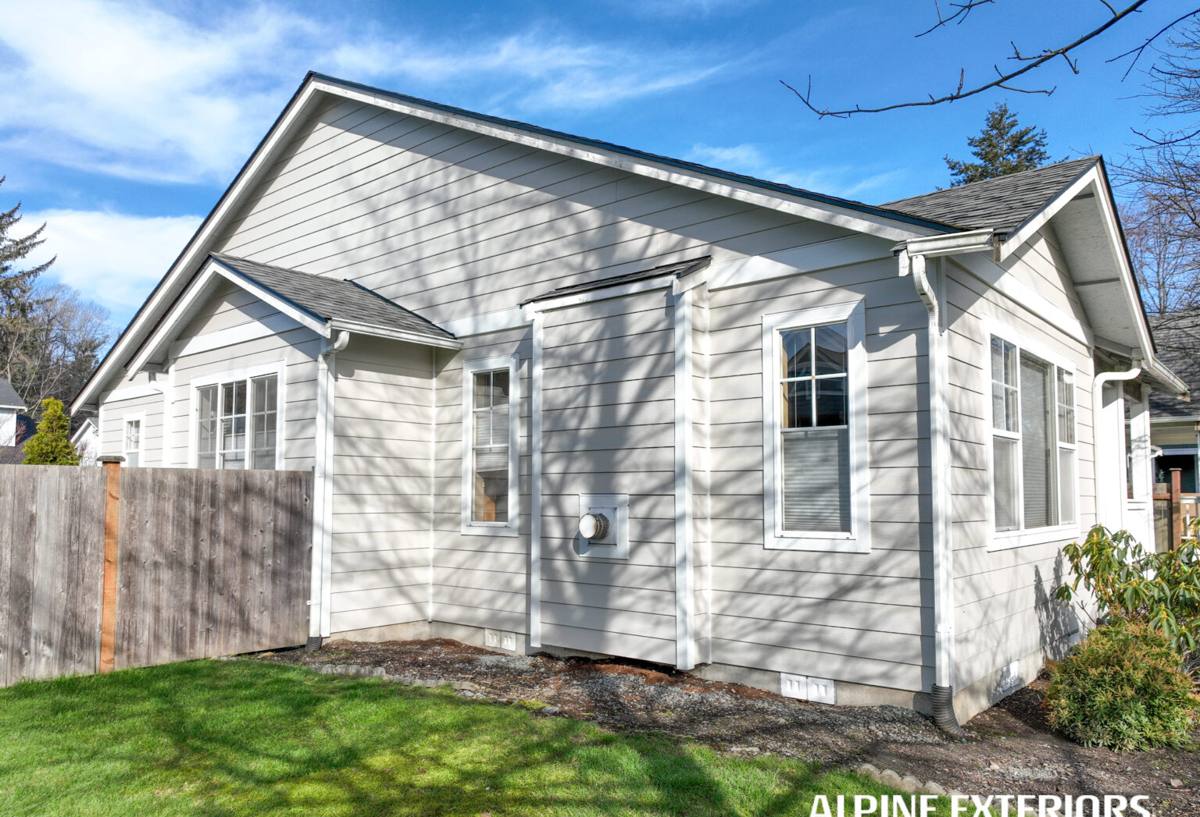
What Dunedin's Climate Demands From a Vertical Siding System
Wind-Driven Rain and Sealed Seams
Board and batten relies on vertical seams and overlapping battens to shed water. In a calm, dry climate that's a straightforward detail. In Dunedin, storms regularly push rain sideways, and wind-driven rain will find any gap in flashing, caulking, or fastening. Every seam, corner, and penetration point has to be treated as a place where water could be forced in under pressure, not just where it might drip down under gravity.
UV and Coastal Salt Air
Florida's sun is intense and consistent nearly year-round, and homes closer to the Gulf also deal with salt air that accelerates corrosion of fasteners and degrades lower-quality finishes. A siding product's factory finish and fastener hardware both need to be rated for that combination, not just for sun exposure alone.
Wind Load and Fastening
Pinellas County sits in a high-wind region, and building codes here reflect that. Board and batten siding has more surface area exposed per board than narrow lap siding, which means fastening schedule and batten spacing directly affect how well the system holds up in sustained wind and gusts. This isn't a place to eyeball fastener spacing — it has to match the manufacturer's engineered installation instructions for the wind zone.
Why We Install James Hardie for Board & Batten — and Nothing Else
Oldsmar Siding Company installs James Hardie fiber cement exclusively. We don't install vinyl board and batten, LP SmartSide, Cemplank, Allura, or primed wood battens, and we want homeowners to understand why before they hire anyone for this kind of project.
Vinyl board and batten is affordable and low-maintenance in mild climates, but it's a thin material that can warp or crack under intense heat and is vulnerable to wind uplift in gusts — a real concern in a county that sees tropical systems most years. Engineered wood products like LP SmartSide use a wood-strand core that performs well when kept dry, but any breach in the coating or a sustained moisture exposure — the kind wind-driven rain can create — puts the core at risk of swelling and deterioration over time. Primed wood battens require ongoing repainting and are the most vulnerable of all to rot in humid, coastal air.
James Hardie's fiber cement is non-combustible, dimensionally stable in heat and humidity, and holds its factory-applied ColorPlus finish far longer than field-painted alternatives — which matters in a climate that fades and chalks lesser finishes quickly. It's engineered in HZ5 formulations specifically for high-humidity, storm-prone regions like ours, and it carries a strong transferable limited warranty when installed to Hardie's published specifications. That combination is why it's the only system we put on Dunedin homes.
What a Correctly Installed Board & Batten System Includes
A Proper Weather-Resistive Barrier
Behind every board and batten installation should be a continuous, correctly lapped weather-resistive barrier. On a coastal home, this layer is the backstop for any water that gets past the siding surface during a wind-driven storm, and it needs to be installed and taped according to manufacturer specifications, not just stapled up quickly.
Fastening Pattern and Batten Spacing
James Hardie publishes specific fastener types, spacing, and edge-distance requirements for vertical panel and batten installations, and those requirements tighten in higher wind zones. Battens need consistent spacing over the panel seams, fastened into framing, not just into the panel face.
Flashing at Every Penetration
Windows, doors, hose bibs, light fixtures, and any other penetration through the siding plane need proper flashing and integration with the weather barrier — not caulking alone. Caulk is a maintenance item; flashing is the actual water management system.
Finished Edges and Sealant
Factory-cut ColorPlus panels come with a protected finish, but field cuts expose raw material that needs to be sealed with a Hardie-approved caulk or touch-up product before it's ever exposed to weather. Skipping this step is one of the most common shortcuts that shows up as premature wear.
Our Process for Dunedin Board & Batten Projects
1. On-Site Assessment and Consultation
We walk the home, look at the existing siding or substrate condition, check for moisture damage or rot that needs addressing before new siding goes on, and talk through style, color, and batten spacing options with the homeowner.
2. Tear-Off and Substrate Prep
Old siding comes off, sheathing is inspected and repaired as needed, and any compromised framing is addressed before the weather barrier goes up. This step is where hidden problems — the kind that cause callbacks later — get caught and fixed.
3. Weather Barrier and Flashing Installation
We install and properly lap the weather-resistive barrier, then flash all windows, doors, and penetrations before a single piece of siding goes up.
4. Board and Batten Installation
Panels and battens go up per James Hardie's engineered fastening schedule for our wind zone, with attention to consistent reveal, straight lines, and tight corner and trim details.
5. Final Detailing and Walkthrough
Cut edges are sealed, caulking lines are checked, the site is cleaned up, and we walk the finished job with the homeowner before calling it done.
What Board & Batten Costs Depend On
We don't publish flat pricing because every Dunedin home is different, but these are the factors that actually move the number on a board and batten project:
| Cost Factor | Why It Matters |
|---|---|
| Home size and wall area | More square footage means more material and labor hours |
| Existing siding removal | Tear-off of old vinyl, wood, or stucco adds labor and disposal cost |
| Substrate repair | Rotted sheathing or framing found during tear-off must be fixed before new siding goes on |
| Batten spacing and pattern | Tighter reveals and custom patterns take more fastening and layout time |
| Trim and architectural detail | Gables, dormers, and multiple roof lines add cutting and flashing complexity |
| Color and finish selection | Factory ColorPlus finishes vs. field-painted options affect material cost and long-term upkeep |
| Access and site conditions | Multi-story sections, tight lot lines, or landscaping can affect labor time |
Why Hiring a Crew That Already Works in Dunedin Matters
Board and batten siding installed to a generic national standard isn't the same as board and batten installed correctly for Pinellas County's wind zone and permitting requirements. A crew that regularly works in this area already knows the county's permitting process, understands how local building officials expect flashing and fastening details documented, and has already worked through how Gulf-facing exposure affects material choices and installation sequencing. That familiarity shows up in fewer surprises during inspection and a system that's actually built for what Dunedin weather will throw at it, not just for a mild-climate installation manual.
It also matters for accountability. A local, established crew has a reputation in the community to protect and is easy to reach if a question comes up after the job is done — not a distant operation that's hard to track down once the invoice is paid.
Keeping Board & Batten Siding Performing in a Coastal Climate
Even a correctly installed system benefits from periodic attention, especially this close to the Gulf. A simple homeowner checklist:
- Rinse salt residue and grime off the siding surface a few times a year, especially after storms
- Inspect caulking at trim, corners, and penetrations annually and before hurricane season
- Look for any hairline cracks at cut edges or seams and have them sealed promptly
- Keep sprinklers and irrigation from spraying directly on siding surfaces
- Trim back landscaping that traps moisture or debris against the wall
- Have flashing and fastener condition checked after any major storm event
None of this replaces a correct initial installation — it's maintenance on top of a system that was already built right.
Ready to Talk About Board & Batten for Your Dunedin Home?
If you're weighing board and batten siding for a home in or around Dunedin, we're happy to walk the property, talk through what your home's exposure and construction call for, and give you a straightforward, no-pressure estimate. Use the form below to get started.