 Oldsmar Siding
 Why Windows Take a Beating in Dunedin and Oldsmar
Homes in Dunedin and the surrounding Oldsmar area deal with a specific combination of stresses that inland houses never see. Intense, nearly year-round UV breaks down vinyl, seals, and glazing compounds faster than in milder climates. Salt air drifting off the Gulf and Tampa Bay corrodes hardware, screws, and metal components long before they'd fail elsewhere. Wind-driven rain finds any weak point in flashing or sealant and pushes water into the wall cavity instead of running off the surface. And when a tropical system or hurricane comes through, older windows are often the first thing to fail — either from wind pressure directly or from debris impact.
None of this means your windows are doomed. It means the products and installation methods that work fine in Ohio or inland Georgia aren't necessarily the right call here. Energy-efficient windows done correctly for this climate address heat gain, moisture intrusion, and wind resistance all at once — not just your utility bill.
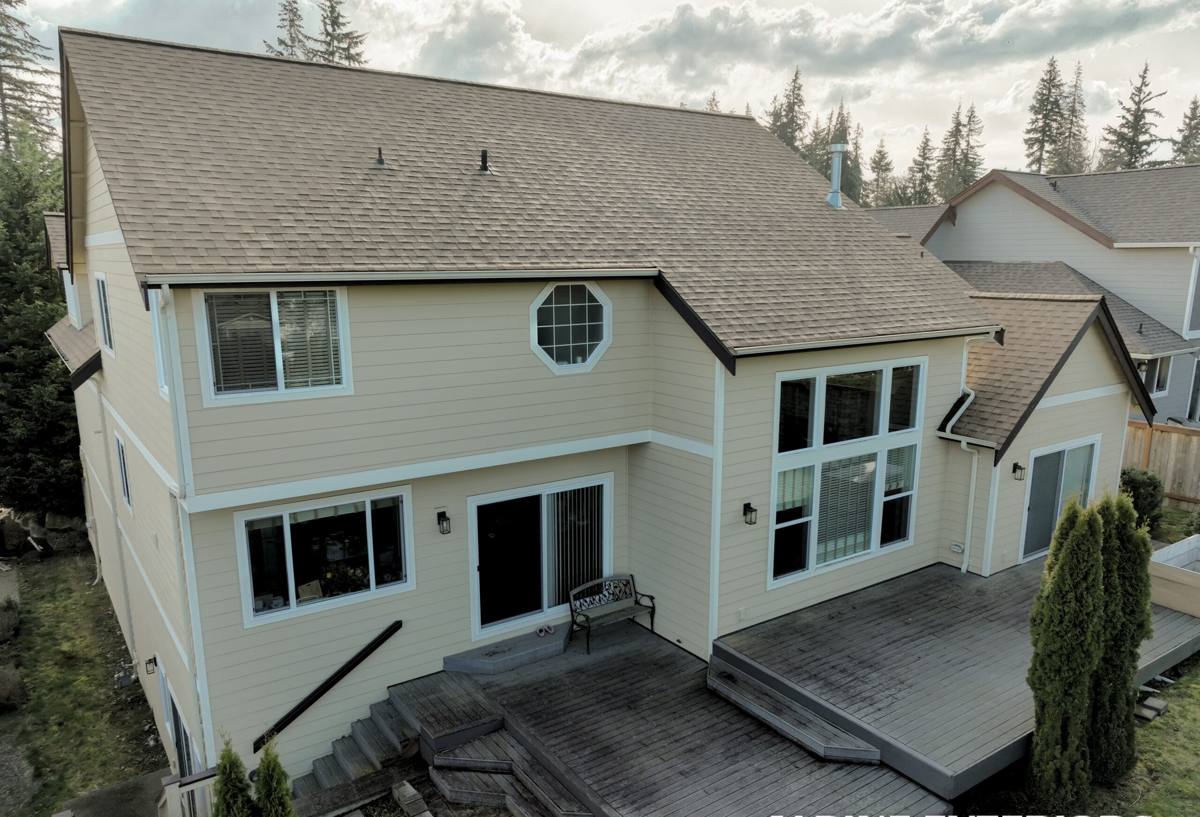
What "Energy-Efficient" Actually Means in This Climate
"Energy-efficient" gets used loosely in window marketing. For a Dunedin home, it should mean a specific set of performance characteristics matched to Florida's heat and humidity, not a generic upgrade.
Low-E Coatings and U-Factor
Low-emissivity (Low-E) coatings are a microscopically thin layer applied to the glass that reflects infrared heat while still letting visible light through. In a hot, sunny climate, the priority is a low Solar Heat Gain Coefficient (SHGC) — this tells you how much solar heat actually passes through the glass into your living space. A low U-factor matters too, but in Florida, controlling heat gain from the sun usually has a bigger impact on comfort and cooling costs than insulating against cold, which is the opposite priority from northern climates.
Impact-Rated vs. Standard Glass
Impact-rated windows use laminated glass with an interlayer that holds the glass together even when it cracks, so wind-borne debris can't punch straight through during a storm. They also tend to perform better for noise reduction and forced-entry resistance year-round, not just during hurricane season. Standard glass paired with code-compliant shutters or panels is a lower-upfront-cost option, but it depends on someone actually deploying that protection before a storm arrives, which isn't always realistic.
Frame Material
Frame material affects both energy performance and how well the window survives salt air over time. Vinyl frames resist corrosion completely but can expand and contract with heat, so quality and reinforcement matter. Fiberglass holds its shape better under thermal stress and resists warping. Aluminum is strong and slim-profiled but conducts heat and is more prone to corrosion near the coast unless it's a marine-grade or properly coated product. There's no universally "best" frame — the right choice depends on your home's exposure, budget, and the look you want.
Signs Your Current Windows Are Working Against You
Homeowners often live with underperforming windows for years because the problems show up gradually rather than all at once. Common signs worth taking seriously include:
- Rooms near windows that feel noticeably hotter than the rest of the house in the afternoon
- Cooling bills that seem high relative to your home's size and insulation
- Fading or discoloration on furniture, flooring, or curtains near window areas
- Condensation or fogging between panes, which usually means a failed seal on double-pane glass
- Frames that feel soft, chalky, or show cracking, especially on south- and west-facing sides
- Difficulty opening, closing, or locking windows due to warped frames or swollen sashes
- Noticeable outside noise or drafts even when windows are fully closed and locked
What a Correct Installation Actually Involves
Window replacement looks simple from the outside — take one out, put one in — but the details that actually matter happen inside the wall, not at the visible frame. A rushed or poorly flashed installation can undo the benefits of an otherwise good window.
Prep and Removal
Correct prep starts with checking the rough opening for existing water damage, rot, or deteriorated framing before a new window ever goes in. Installing a new window over a hidden moisture problem just seals that problem inside the wall.
Flashing and Sealing
Flashing tape and sealant need to be layered so water is always directed outward and downward — never allowed to pool at the sill or work its way behind the flashing. This is the single most common point of failure in coastal window installs, and it's invisible once the trim goes back on, which is exactly why it has to be done right the first time.
Fastening and Shimming
Windows need to be shimmed level and plumb, then fastened according to the manufacturer's specification and the wind load requirements for your address — not just "screwed in until it feels tight." Under-fastening is a real risk during high wind events.
Window and Frame Options Compared
| Option | Best For | Trade-Offs |
|---|---|---|
| Vinyl, standard glass | Budget-conscious replacements, interior/less-exposed elevations | Lower upfront cost; needs shutters or panels for storm protection |
| Vinyl or fiberglass, Low-E impact glass | Most Dunedin homes — daily heat/UV control plus storm readiness | Higher upfront cost; offset by no shutter deployment and lower insurance considerations in some cases |
| Fiberglass frame | Homes with heavy sun exposure or a history of frame warping | Higher material cost than vinyl; very stable under heat |
| Aluminum frame | Larger openings, contemporary designs, slim sightlines | Conducts more heat; needs corrosion-resistant coating near the coast |
Permits, Wind Ratings, and Local Code
Window replacement in Pinellas County is a permitted job, not a weekend swap. Local building officials assign design pressure and wind-borne debris requirements based on your specific address, elevation, and the county's adopted Florida Building Code provisions — this is why a window rated for one Florida location isn't automatically approved for another. Every window we install carries the proper Florida product approval documentation for its rating, and we handle the permit and inspection process as part of the job rather than leaving that step to the homeowner. Skipping permits on window work is a common shortcut that can create real problems later — at resale, with insurance claims, or if the installation didn't actually meet code for your wind zone.
How We Handle a Dunedin Window Project
The process is straightforward, but we don't skip steps to move faster:
- On-site assessment — we look at your existing windows, framing condition, sun exposure by elevation, and what's actually causing the problems you're noticing.
- Product selection — we walk through frame material, glass package, and impact-rating options based on your budget and how the home is exposed to sun, wind, and rain.
- Accurate measurement and permitting — exact measurements are taken for each opening, and we pull the required permit before work begins.
- Installation — removal, framing repair if needed, proper flashing and sealing, correct fastening, and finish trim work.
- Inspection and walkthrough — we confirm the work passes required inspection and walk the job with you before calling it done.
Maintenance in Salt Air and Humidity
Even a well-installed, high-quality window benefits from basic upkeep in this climate. Rinsing frames and hardware periodically helps clear salt residue before it can pit metal components or dull finishes. Checking exterior caulking and sealant once or twice a year — especially after a hard storm season — catches small gaps before they become water intrusion problems. Keeping weep holes on the exterior sill clear of debris and pollen buildup lets the window drain the way it's designed to, rather than trapping water against the frame.
Why Local Experience in Dunedin Matters
A contractor who works this specific area regularly already knows how Pinellas County's permitting and inspection process actually runs, what wind and code requirements typically apply to homes in this part of the county, and how local building department reviewers like to see documentation submitted. That translates into fewer delays and fewer surprises mid-project. It also means we're not learning coastal installation methods on your home — flashing details, fastening patterns, and material choices that hold up against salt air and wind-driven rain are routine for us, not a special case.
Before hiring anyone for window work in Dunedin or Oldsmar, it's worth confirming a few basics:
- Active Florida contractor license and current liability insurance
- Willingness to pull permits themselves rather than asking you to
- Clear, written product specs — frame material, glass package, and wind/impact rating
- A written warranty covering both the product and the installation labor
- References or completed work you can actually see or verify
If your windows are underperforming, aging, or you're simply planning ahead for the next storm season, we're happy to take a look and give you an honest assessment. Fill out the form below for a free, no-pressure estimate on your Dunedin-area home.