 Oldsmar Siding
 Why Dunedin Roofs Wear Out Faster Than the Warranty Suggests
Dunedin sits close enough to the Gulf that salt air, wind-driven rain, and near-constant UV exposure all work on a roof at the same time, year after year. A shingle or underlayment system rated for a 20- or 25-year life in a drier, cooler climate often falls short of that in this part of Pinellas County, simply because the conditions are harder on the materials. Homeowners here don't need a generic roofing pitch — they need a roof that's specified and installed with this exact climate in mind.
Three things drive most of the early wear we see on Dunedin and Oldsmar roofs: sustained UV breaking down asphalt oils and sealants, wind gusts working at shingle tabs and flashing edges during storms, and salt-laden humidity accelerating corrosion on fasteners, vents, and metal flashing. None of these are dramatic on their own. Together, over a decade or two, they add up to granule loss, brittle shingles, lifted edges, and slow leaks that often show up long before the roof "looks" old from the street.
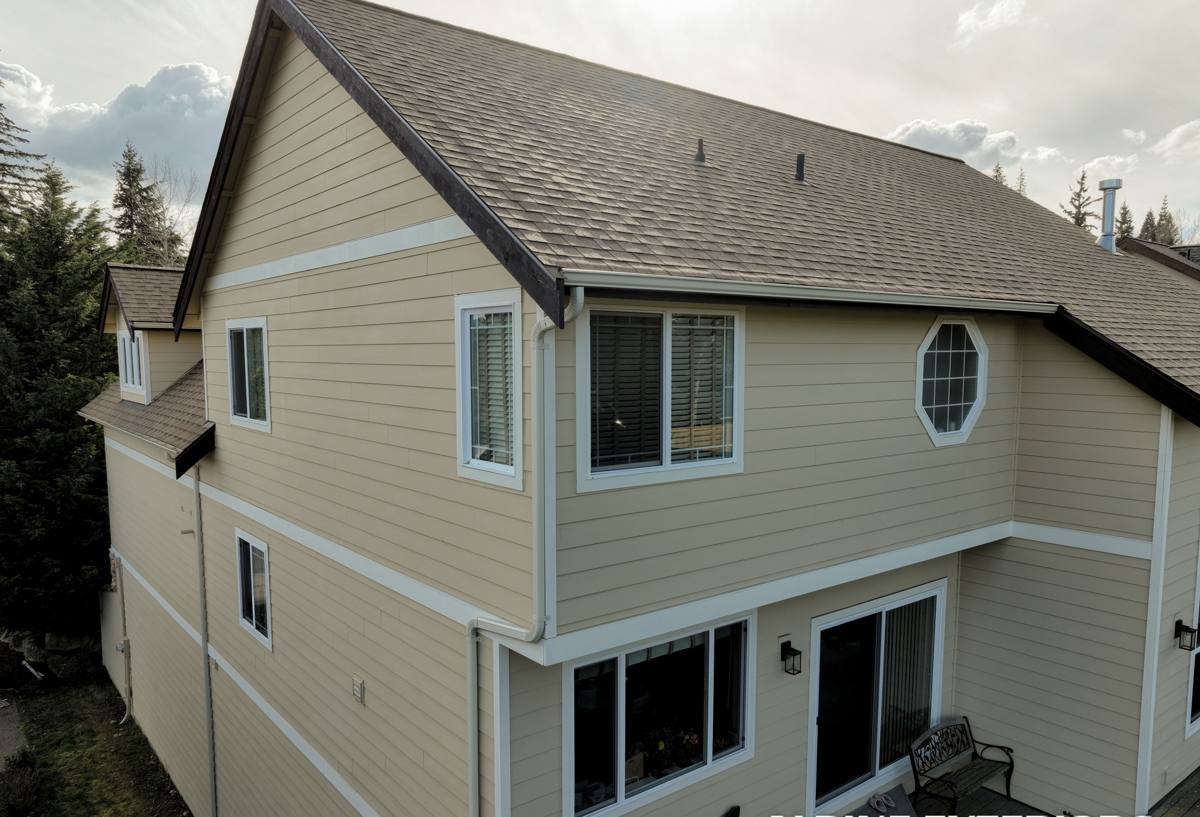
Signs a Dunedin Home Needs Replacement, Not Another Repair
Not every roof problem calls for a full tear-off. But there's a point where patching becomes a losing game — you're spending money to delay an expense that's coming anyway, and sometimes doing more damage in the process by adding penetrations to an already fatigued roof deck. A few signs that point toward replacement rather than repair:
- Granules collecting in gutters or at downspout outlets, indicating the shingle surface is breaking down
- Shingles that feel brittle or crack when walked on, rather than flexing
- Curling, cupping, or lifted tabs across large sections of the roof, not just one isolated area
- Soft spots or sagging in the roof deck, which usually means water has already gotten underneath
- Multiple past repairs in different areas, suggesting the underlayment and decking are past their useful life
- Visible daylight through the attic, or consistent staining on interior ceilings after wind-driven rain
If your roof is showing two or more of these at once, a repair is usually a short-term patch on a longer-term problem. A straightforward inspection can tell you which category you're actually in before you spend money either way.
What a Correct Roof Replacement Actually Involves
"Roof replacement" gets used loosely. A correct one in this climate is a full system, not just new shingles laid over the old roof line. Each layer does a specific job, and skipping or rushing any of them is where premature failures come from.
Deck Inspection and Repair
Once the old roofing is stripped off, the plywood or OSB decking underneath gets inspected board by board. Any wood that's soft, delaminated, or water-stained gets replaced before anything else goes down — nailing new shingles over a compromised deck just hides a structural problem instead of fixing it.
Underlayment and Water Barrier
This is the layer that actually keeps water out if wind ever drives rain up under the shingles, which happens more often here than in calmer climates. Self-adhering underlayment at eaves, valleys, and penetrations, paired with a synthetic underlayment across the field, gives the roof a real second line of defense — not just a bare minimum barrier.
Flashing at Every Transition
Chimneys, skylights, sidewalls, and roof-to-wall transitions are where the large majority of leaks originate — not the open field of shingles. Correctly formed and properly lapped flashing at these points matters more to long-term watertightness than almost anything else on the roof.
Ventilation
A hot, poorly ventilated attic bakes shingles from underneath and shortens their life regardless of how good the roofing material is. Balanced intake and exhaust ventilation keeps attic temperatures and moisture in check, which protects both the roof deck and the shingles above it.
Comparing Roofing Materials for a Dunedin Home
There isn't one "best" material for every house — it depends on your roof's pitch, your budget, and how long you want to go before the next replacement. Here's how the common options stack up for this climate specifically:
| Material | Typical Lifespan Here | Wind Performance | Relative Upfront Cost | Maintenance Notes |
|---|---|---|---|---|
| Architectural Asphalt Shingle | 18–25 years | Good, with proper nailing and rated products | Lowest | Periodic inspection after major storms; most common choice |
| Standing Seam Metal | 40–50+ years | Excellent | Highest | Very low; check fastener and sealant points over time |
| Concrete or Clay Tile | 40–50+ years | Good when properly fastened; individual tiles can crack from impact | High | Occasional tile replacement; heavier structure requirement |
For most Dunedin homes, architectural shingles remain the practical choice — a good balance of cost, appearance, and performance when installed correctly. Metal and tile make sense for homeowners planning to stay long-term and wanting to minimize future roofing decisions altogether, but they come with a higher upfront investment and, in the case of tile, added structural considerations we'd walk through before recommending it.
Our Process, Start to Finish
Inspection and Estimate
We start on the roof itself, not just from photos or satellite images. That means checking the deck condition where accessible, flashing details, ventilation, and the general age and wear pattern of the existing roof before putting together a written estimate that reflects what your roof actually needs.
Permitting and Material Staging
Roof replacement in Oldsmar and Dunedin requires a building permit and inspection — that's not optional, and it's not something a legitimate contractor skips. We handle the permit application and schedule material delivery so the job can move without unnecessary delays once we start.
Tear-Off and Installation
Old roofing comes off down to the deck, damaged decking is replaced, and the new system goes on in the order that actually protects the house: deck repair, underlayment, flashing, then the finish material. Yard and landscaping protection is set up before tear-off begins, and debris is cleared as we go, not left to pile up.
Final Walkthrough and Inspection
Once installation is complete, the job gets a final inspection from the local building department, and we walk the property with you — attic, gutters, yard — before considering the job finished.
Wind Codes and Insurance Considerations in Pinellas County
Roofing installed in Pinellas County has to meet Florida Building Code wind provisions, which are more demanding than codes in most other parts of the country — a direct response to the wind loads this region actually experiences. That means specific nailing patterns, rated underlayment, and secured flashing details aren't optional upgrades; they're what a permitted, inspected roof requires here.
It's also worth knowing that a properly documented, code-compliant roof replacement can affect your homeowner's insurance premium through Florida's wind mitigation credit program. We can provide the documentation an insurance inspector typically asks for, but the credit itself is determined by your insurer, not by us — we'd rather be upfront about that than promise a savings figure we don't control.
Why a Crew That Already Works Dunedin Matters
A roofing crew that regularly works in Dunedin and greater Oldsmar already knows the local permitting process, the inspection expectations, and the way this specific coastal climate treats different materials and details over time. That's different from a crew that installs the same generic system everywhere and hopes it holds up. Local familiarity shows up in small decisions — how flashing gets detailed at a wall transition, which underlayment gets used at eaves prone to wind-driven rain, how ventilation gets balanced for a Florida attic — and those small decisions are usually the difference between a roof that lasts and one that needs attention again in five years.
Before You Get a Roof Replacement Estimate
A little preparation makes the estimate visit faster and more useful for both sides:
- Note when your current roof was installed, if you know it, and whether it's had prior repairs
- Check your attic for any daylight, staining, or moisture signs and mention them
- Have your insurance policy's wind mitigation section handy, if you have one on file
- Write down any known leak locations, even ones you've patched yourself
- Ask any contractor for proof of current Florida roofing license and liability/workers' comp insurance
- Get the material and warranty terms in writing before signing anything
If you're weighing repair versus replacement, or just want a straight answer on where your roof actually stands, we're happy to take a look. Fill out the form below for a free, no-pressure estimate — there's no obligation, just a clear read on what your Dunedin home's roof needs.