 Oldsmar Siding
 Storm Damage Roof Repair for Eastlake Woodlands Homes
Eastlake Woodlands sits among Oldsmar's more heavily wooded residential streets, which means storm damage here doesn't always look like the textbook photo of missing shingles after a hurricane. It's often a branch strike during a summer squall, wind-driven rain finding its way under a lifted shingle tab, or granule loss from a tree canopy that keeps a roof shaded, damp, and slower to dry between storms. We work on roofs in this neighborhood regularly, and the repairs we make here tend to follow patterns you don't see as often on more open, sun-exposed streets closer to the water.
This page covers what storm damage actually looks like on an Eastlake Woodlands roof, what a correct repair involves, and how our process works from the first call to the final walkthrough.
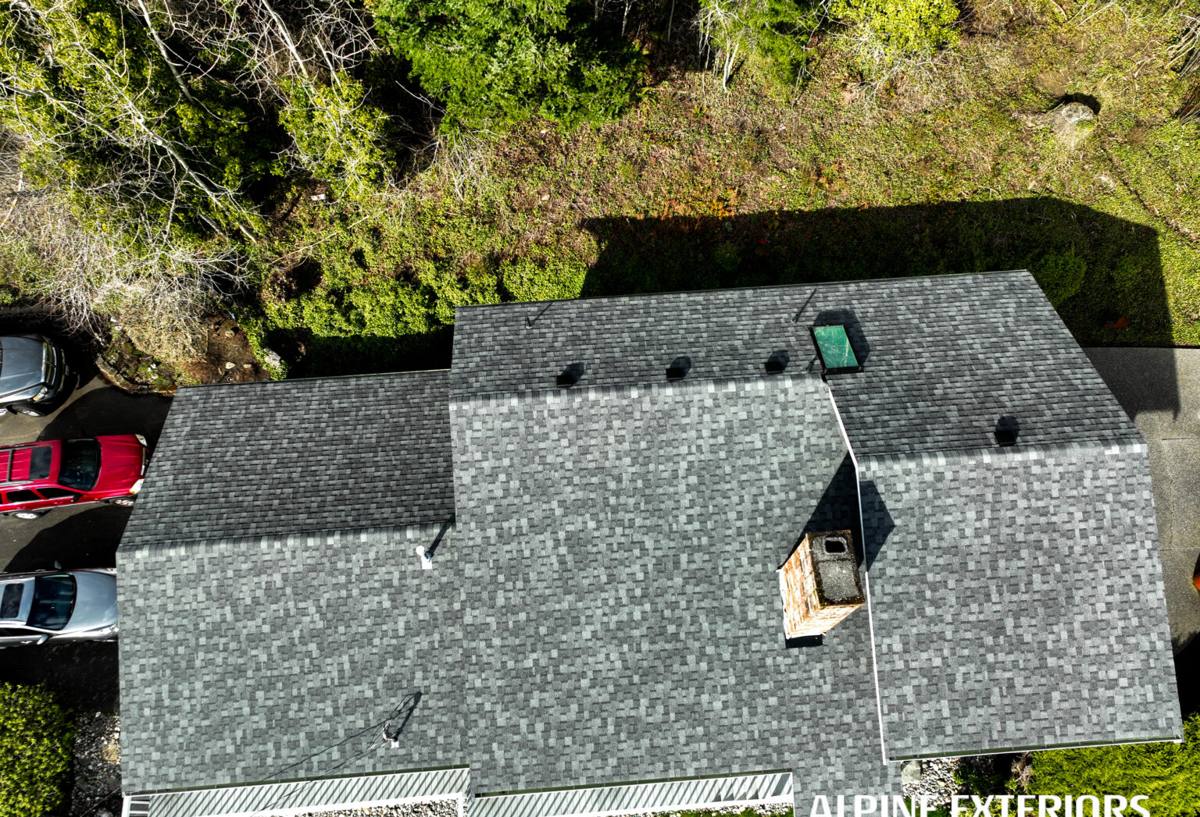
What Pinellas County Weather Does to a Roof Over Time
Oldsmar sits in a part of Pinellas County that gets the full range of Florida roof stress: hurricane-force wind gusts during tropical systems, near-daily summer thunderstorms that drive rain sideways under roof edges, intense UV exposure almost year-round, and salt-laden air drifting in off Tampa Bay and the Gulf. None of these forces act alone — they compound. UV bakes the oils out of asphalt shingles and makes them brittle, so when the next wind event hits, shingles that would have flexed instead crack or tear loose. Salt air accelerates corrosion on exposed fasteners and metal flashing. Wind-driven rain doesn't need a hole to get in; it just needs a lifted edge or a gap in the sealant strip.
In Eastlake Woodlands specifically, mature tree cover adds another layer: shaded roof sections dry more slowly after rain, which can extend the time moisture sits against underlayment and decking after a storm, and falling limbs or wind-thrown debris are a more common cause of localized damage than in more open subdivisions.
Why This Matters for Repair, Not Just Replacement
Most storm damage we find is repairable if it's caught and addressed promptly. The problem is that a lot of storm damage isn't visible from the ground, and small unaddressed issues — a cracked tab, a lifted flashing edge, a puncture the size of a coin — turn into interior leaks, decking rot, or insulation damage weeks or months later. The goal of a proper storm repair isn't just patching what's obviously broken; it's finding everything the storm actually did and fixing it before it becomes a bigger problem.
Common Types of Storm Damage We Find
- Wind-lifted or torn shingles — tabs that have cracked their sealant bond and are no longer laying flat, even if none are missing outright
- Impact damage from falling branches or debris — cracked, punctured, or dented shingles and, on tile or metal roofs, cracked or dislodged pieces
- Flashing failure — around chimneys, skylights, vent pipes, and roof-to-wall transitions, where wind can peel back the metal or break the sealant
- Granule loss — accelerated by wind abrasion during a storm, leaving shingles thinner and more UV-vulnerable going forward
- Soffit and fascia damage — wind can pull soffit panels loose or crack fascia boards, opening a path for water and pests behind the gutter line
- Gutter and downspout separation — not roofing itself, but it directly affects how well the roof sheds water during the next storm
- Hidden decking or underlayment saturation — from wind-driven rain that got under the roof covering without leaving obvious surface damage
How We Assess Storm Damage
We start with a full roof walk, not just a look at the section a homeowner points out. Storms rarely damage a roof in only one spot, and insurance carriers expect a complete assessment, not a partial one. Our process typically includes:
- Ground-level and roof-level visual inspection of every slope, not just the side facing the prevailing wind
- Close inspection of flashing points — chimneys, vents, skylights, and wall transitions — since these fail more often than open field shingle
- Attic check when accessible, looking for water staining, wet insulation, or daylight coming through decking
- Photo documentation of every area of damage, useful for both our records and any insurance claim
- A written scope of what needs repair versus what's cosmetic and can be left alone
We don't pad a scope of work to make a claim look bigger, and we don't downplay damage to make a job look cheaper. The scope reflects what the roof actually needs.
Repair vs. Replacement: How We Make the Call
Not every storm-damaged roof needs to come off. A lot of what we see in Eastlake Woodlands is legitimately repairable, especially on roofs that were in decent shape before the storm. The decision usually comes down to a few factors:
| Factor | Leans Toward Repair | Leans Toward Replacement |
|---|---|---|
| Roof age | Under 10-12 years, shingles still flexible | Nearing or past expected lifespan, brittle shingles |
| Extent of damage | Isolated area, one or two slopes | Widespread damage across most of the roof |
| Underlying decking | Dry, sound wood underneath | Rot or saturation found during tear-off |
| Shingle matching | Discontinued or faded shingles blend acceptably | Repaired sections would be visibly mismatched |
| Prior storm history | First significant damage event | Repeated repairs to the same areas over time |
We'll tell you honestly which category your roof falls into. If a repair is the sound, cost-effective option, that's what we'll recommend — a full replacement isn't automatically the "better" answer just because it's the bigger job.
What a Correct Storm Repair Involves
A quality repair goes beyond swapping out the shingles you can see are damaged. We match repair materials as closely as possible to your existing roof, replace underlayment in any section where it was compromised (not just patch over it), reseal or replace flashing rather than just re-caulking it, and check fastener patterns against current wind-resistance standards where the repair area allows it. On a roof with granule loss but no punctures, we'll be honest that this is often a cosmetic and longevity issue rather than an active leak risk, and explain the tradeoffs of repairing now versus monitoring it.
Materials and Fastening Standards
Florida's building code sets minimum wind-resistance requirements for roofing repairs, and Pinellas County enforces its own permitting on top of that for anything beyond minor cosmetic work. We pull permits when the scope requires it and fasten and flash repairs to meet current code, not just to match whatever standard was used when the roof was originally installed — codes have generally gotten stricter over time, so a repair done to current standard is often an improvement over the original installation.
Working With Your Insurance Company
Storm damage claims move faster and go smoother when the documentation is thorough from the start. We provide detailed photos, a written scope of damage, and material specifications your adjuster can work from. We're happy to meet an adjuster on-site if that's useful, and we'll answer straightforward questions about the scope of repair. What we won't do is inflate a claim, invent damage that isn't there, or promise a specific insurance outcome — the carrier makes that determination, and our job is to make sure they have accurate information to work with.
After a Storm: What to Check and What to Leave to a Pro
- Look for shingles or debris in the yard — a sign something came loose above
- Check ceilings and upper closets for new water stains or soft spots
- Note any sagging gutters, detached downspouts, or dented gutter sections
- Look at soffit panels for gaps or panels hanging loose
- Do not climb onto the roof yourself to inspect — wet or wind-loosened shingles are unstable footing
- Photograph visible damage from the ground for your own records before repairs begin
- Avoid tarping or temporary patching yourself on steep or multi-story sections — a poorly placed tarp can trap moisture and cause more damage than it prevents
- Call for an assessment sooner rather than later — minor damage left exposed to the next rain event gets worse, not better
Why a Crew That Already Works Eastlake Woodlands Matters
Roofing crews unfamiliar with a neighborhood's building patterns, HOA expectations, and typical roof ages end up guessing at things a local crew already knows. We've worked on roofs throughout this part of Oldsmar and understand the common roof styles, pitch ranges, and age brackets you'll find on Eastlake Woodlands streets, which means less time spent figuring out the basics and more time on an accurate assessment. We're also close enough to respond quickly after a storm, which matters — a roof with active storm damage doesn't get better while you wait for a crew to drive in from across the county.
We're licensed and insured to work in Pinellas County, and we stand behind our repair work with a straightforward workmanship warranty separate from the manufacturer's material warranty on any shingles or components we install.
Get a Free, No-Pressure Estimate
If your Eastlake Woodlands home has visible storm damage — or you're just not sure after a rough round of weather — we'll come out, walk the roof, and give you a straight answer about what's going on and what it would take to fix it. There's no cost and no pressure to move forward. Fill out the form below and we'll get in touch to schedule a time.