 Oldsmar Siding
 Windows Built for Land O' Lakes, Not Just Sold There
A lot of companies will sell you a window. Fewer will size, spec, and install one that actually holds up to what Land O' Lakes weather does to a house year after year. Between hurricane-force wind events, intense year-round UV exposure, wind-driven rain that finds every weak seam, and the salt air that drifts in off the Gulf and works into metal components, this part of Florida is genuinely hard on windows. A window that's fine in a mild climate can fail here in ways that show up as fogged glass, swollen frames, water stains under the sill, or a spike in your cooling bill.
Custom windows aren't about luxury — they're about fit. Older homes and additions in this area often have openings that don't match today's standard sizes, and forcing a stock window into a non-standard opening is one of the most common causes of leaks and premature failure. Custom means the window is built to your actual opening, with the right glass package and frame material for a coastal Florida house, then installed by a crew that knows how to flash and seal it correctly the first time.
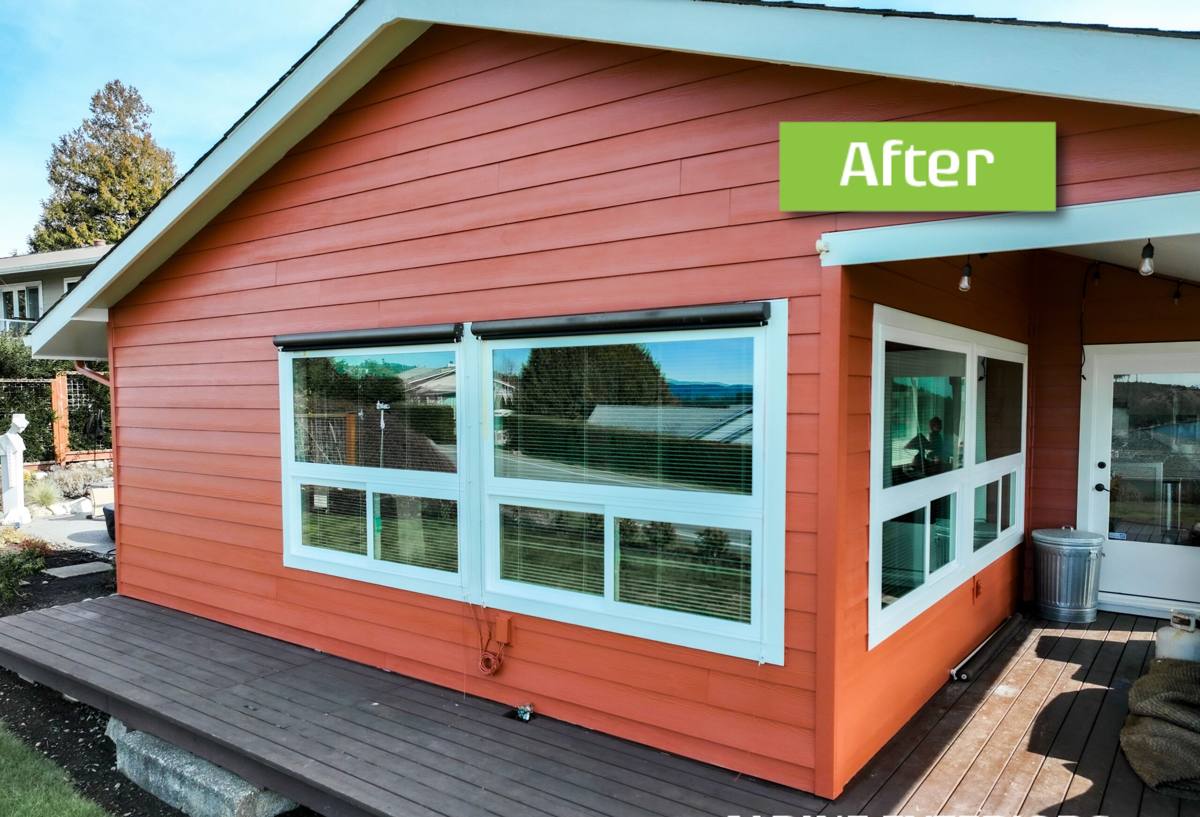
What Land O' Lakes Homes Are Actually Up Against
Wind and Storm Pressure
Florida's building code requires windows in this region to meet specific wind-load and impact standards, and for good reason. During a storm, wind doesn't just push against glass — it creates pressure differences that can pull a poorly installed window right out of its frame. The glass matters, but the installation matters just as much. A correctly installed impact-rated window and a poorly installed one can look identical from the curb and perform completely differently in a storm.
Heat and UV
Central Florida sun is relentless. Standard glass and cheap vinyl frames take a beating from UV exposure — frames can yellow, warp, or become brittle, and low-quality glass coatings degrade, letting more heat into the house. Over years, that translates directly into higher AC costs and a home that never quite feels comfortable in the afternoon.
Moisture and Salt Air
Even away from the immediate coastline, salt-laden air travels inland across the Tampa Bay area and slowly corrodes unprotected metal hardware — hinges, locks, and screws — while humidity works into any gap in the seal around a window. Combined with wind-driven rain, this is why proper flashing and sealant work is not optional; it's the difference between a window that lasts 20-plus years and one that starts leaking in five.
Frame Materials: What Actually Holds Up Here
There isn't one "correct" frame material for every home — it depends on your budget, your home's style, and how much maintenance you're willing to do. Here's an honest comparison of the main options we work with for this climate.
| Material | Heat & UV Performance | Maintenance | Typical Fit |
|---|---|---|---|
| Vinyl | Good when UV-stabilized; lower grades can yellow or warp over time | Low — no painting, occasional cleaning | Most common choice; strong value for the price |
| Fiberglass | Excellent — very stable in heat, holds paint well | Low to moderate | Higher-end projects, homes wanting a wood look without wood upkeep |
| Aluminum | Strong structurally but conducts heat; needs a quality thermal break | Moderate — watch for corrosion near coastal exposure over time | Larger openings, sliders, and impact-rated storefront-style windows |
| Wood / Wood-Clad | Attractive but the most vulnerable to Florida humidity without diligent upkeep | High | Historic-style homes where appearance is the priority |
For most Land O' Lakes homeowners, a UV-stabilized vinyl or a fiberglass frame paired with impact-rated glass gives the best balance of performance, appearance, and long-term maintenance. We'll walk through the trade-offs for your specific home rather than pushing one material for every job.
Glass and Impact Ratings
Depending on your home's location and the wind zone it falls under, you may be required to use impact-rated glass, or you may be able to meet code with standard glass paired with approved shutters or another opening protection method. Impact glass is a laminated assembly designed to resist penetration from wind-borne debris — it's not just "thicker glass." We'll confirm what your specific home requires as part of the estimate rather than assuming.
Signs Your Current Windows Are Already Costing You
Most homeowners don't replace windows because they want to — they replace them because the windows are actively causing problems. Watch for these signs:
- Fogging or a milky haze between panes (a failed seal on double-pane glass)
- Frames that feel warm to the touch on a sunny day, or noticeably higher cooling bills
- Difficulty opening, closing, or locking — often a sign the frame has shifted or swollen
- Soft spots, staining, or a musty smell in the wall or trim below the window
- Visible daylight or a draft around the frame when the window is closed
- Chalky, faded, or brittle frame material, especially on south- and west-facing windows
- Condensation on the inside of the glass even when the AC is running normally
Any one of these on its own might not mean a full replacement is needed. Several of them together, especially on a home with original windows, usually means it's time for an honest evaluation.
How We Approach a Custom Window Project
1. On-Site Assessment
We start by measuring every opening individually — even in homes where windows look identical from the outside, actual rough openings often vary by a quarter inch or more due to settling, prior renovations, or original construction tolerances. We also check the condition of the surrounding framing and sill for any hidden moisture damage before quoting the job.
2. Product Selection
Based on your home's exposure, the applicable wind zone requirements, and your budget, we walk through frame material, glass package, and style options together. We're not going to recommend the most expensive option by default, and we're not going to recommend something under-built for a Florida exterior wall just to hit a lower price.
3. Precise Fabrication and Permitting
Custom units are built to the exact opening dimensions we measured, not rounded to the nearest stock size. Where required, we handle the permitting and inspection process so the work is documented and code-compliant — which also matters for insurance and resale down the road.
4. Removal and Installation
Old windows come out carefully to avoid unnecessary damage to surrounding stucco, siding, or trim. New units are set, shimmed level and plumb, and mechanically fastened per manufacturer specification — this is where a lot of lower-quality installs cut corners, and it's the single biggest factor in whether a window performs well in a storm.
5. Flashing and Sealing
This step is where Florida installs succeed or fail long-term. Proper flashing tape and sealant, applied in the correct order and given time to cure, are what actually keep wind-driven rain out. We don't rely on caulk alone to do a flashing system's job.
6. Final Inspection and Walkthrough
Every window is tested for smooth operation and a tight seal before we consider the job finished, and we walk the completed work with you so you know exactly what was done and what maintenance, if any, it needs going forward.
What Drives the Cost of a Custom Window Project
Every home is different, so we won't quote a price without seeing the job, but these are the main factors that move the number up or down.
| Factor | Why It Matters |
|---|---|
| Number and size of openings | Larger and more numerous windows increase material and labor |
| Frame material chosen | Vinyl, fiberglass, and aluminum carry different material costs |
| Impact-rated vs. standard glass | Impact glass costs more but may be required or preferred for the location |
| Condition of existing framing | Hidden rot or moisture damage found during removal adds repair work |
| Non-standard shapes or sizes | True custom shapes (arched, oversized, angled) require more fabrication time |
| Permitting requirements | Varies by jurisdiction and project scope |
Broadly, homeowners in this area should expect a range that spans from a modest per-window investment for a standard vinyl, single-opening replacement up to a considerably higher figure for large, impact-rated, custom-shaped units. We'll give you real numbers once we've actually seen your home.
Why Local Installation Experience Matters
A crew that regularly works in Land O' Lakes and the surrounding Oldsmar and Pinellas County area understands things a national installer or a crew from out of state simply won't: how the local building departments handle permitting, what wind-load requirements apply in this part of Florida, how the older housing stock in the area was typically framed, and how salt air and afternoon storms actually behave here versus how they're described in a manual. That local knowledge shows up in fewer callbacks, fewer surprises during installation, and a job that's built for the climate it actually has to survive — not a generic climate.
It also matters for accountability. A local, established contractor has a reputation in the community to protect and is still around next year if a warranty issue comes up — which matters far more with windows than with almost any other exterior project, since problems from a bad install often don't show up until the first serious storm season.
Caring for Your New Windows
Custom windows are a long-term investment, and a little upkeep goes a long way in this climate:
- Rinse frames and tracks periodically to clear salt residue and debris, especially after storms
- Check and lubricate hardware (locks, hinges, rollers) once or twice a year
- Inspect exterior caulking and sealant annually and have any cracking addressed promptly
- Keep weep holes on the exterior sill clear so water can drain as designed
- Avoid pressure-washing directly at seals and weatherstripping
None of this is complicated, but skipping it is one of the more common reasons a good window starts underperforming years before it should.
Get an Honest Look at Your Windows
If your windows in Land O' Lakes are original to the home, showing wear, or you're simply planning ahead of the next storm season, we're glad to come take a look. There's no pressure and no obligation — just a straightforward assessment of what your home actually needs and what it would cost to do it right. Fill out the form below to schedule your free estimate.