 Oldsmar Siding
 Roof Repair Built for the Land O' Lakes Climate
A roof in this part of Florida works harder than almost any other part of the house. Between the intense, near-constant UV exposure, the wind-driven rain that comes with our summer storm pattern, and the occasional hurricane-force gusts that push through the Tampa Bay region, roofing materials here take a beating that homes in milder climates simply don't experience. Even well inland from the coast, storms rolling off the Gulf can carry salt-tinged rain and humidity that slowly work on metal fasteners, flashing, and sealants. A repair that doesn't account for all of that isn't really a repair — it's a temporary patch that will fail again within a season or two.
Our approach to roof repair in the Land O' Lakes area starts with understanding what actually causes damage here, then fixing the cause, not just the symptom. That means we're not just replacing a handful of shingles and calling it done — we're checking the underlayment, the flashing, the ventilation, and the surrounding materials to make sure the repair actually holds up through the next storm season.
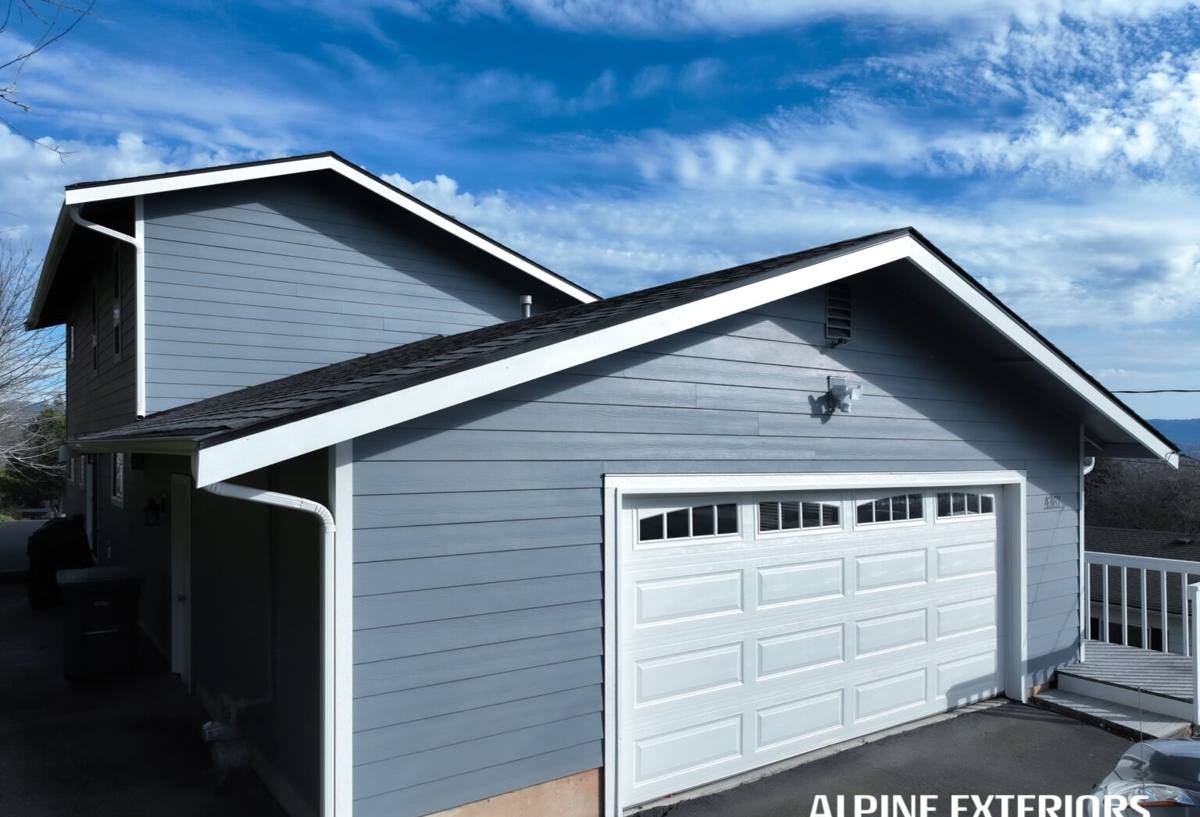
What Local Roofs Are Up Against
Sun and Heat
Florida sun is brutal on roofing materials year-round, not just in summer. UV exposure breaks down asphalt shingle granules, dries out sealant strips, and accelerates the aging of underlayment. Roofs here age faster, in real terms, than the same materials would in a northern climate — which is why a 15-year-rated shingle in this area often shows wear well before that mark.
Wind and Storm Systems
Land O' Lakes sits in a region that regularly deals with strong seasonal thunderstorms and, some years, direct hurricane or tropical storm impact. Wind doesn't just rip shingles off outright — more often it works underneath the edges, lifting tabs and breaking the seal, which then lets water in during the next rain even if nothing looks obviously missing from the ground.
Humidity and Wind-Driven Rain
Heavy, sideways rain finds weaknesses that straight-down rain never would — around vents, chimneys, skylights, and roof valleys. Combined with the area's humidity, any water that does get past the roofing surface tends to linger in attic spaces and decking rather than drying out quickly, which is how small leaks turn into rot and mold problems.
Common Roof Repair Issues We Find in This Area
After years of repair work throughout the Tampa Bay region, a handful of problems show up again and again on homes around Land O' Lakes:
- Lifted or missing shingles along roof edges and ridgelines, where wind uplift is strongest
- Cracked or slipped tiles on tile roofs, often from foot traffic, debris impact, or age-related brittleness
- Flashing failures around chimneys, skylights, and roof-to-wall intersections — one of the single most common leak sources
- Deteriorated pipe boots and vent seals, where rubber gaskets dry out and crack under constant UV exposure
- Valley leaks where two roof planes meet and heavy rain volume concentrates
- Soffit and fascia rot from long-term moisture intrusion at the roof edge
- Nail pops and fastener backout, which create small gaps that widen over time
What a Correct Repair Actually Involves
Matching Materials, Not Just Covering the Spot
A repair is only as good as its integration with the surrounding roof. That means matching shingle or tile profile, color, and weight as closely as possible, and making sure the repaired section ties into the existing underlayment and flashing correctly rather than just sitting on top of it. A patch that isn't properly woven into the surrounding material will telegraph as a weak point during the next heavy storm.
Flashing and Underlayment Detail
Most leaks that homeowners blame on shingles actually originate at flashing — the metal or composite material that seals transitions and penetrations. Correct repair work means pulling back enough of the surrounding roofing to properly re-flash the area, not just caulking over a gap. Underlayment, when exposed during a repair, should be inspected and replaced if it's degraded, since it's the roof's real waterproofing layer underneath the visible surface.
Code Compliance
Florida's building code includes specific wind-resistance standards for roofing work, and repairs should meet the same fastening and material standards as new installation for the portion being repaired. Cutting corners here doesn't just risk a callback — it can affect a home's wind mitigation rating and insurance standing.
Our Repair Process
- Inspection. We get on the roof (not just a look from the ground) to trace the actual source of the problem, which is often several feet from where a stain shows up inside.
- Diagnosis and estimate. We explain what's actually wrong, what it will take to fix it correctly, and give a clear, written estimate before any work starts — no pressure, no upsell to a full replacement unless the roof genuinely needs one.
- Repair. We remove and replace only what needs it, matching materials and re-sealing or re-flashing as required, using fasteners and techniques rated for our wind zone.
- Cleanup. Old materials, nails, and debris are cleared from the roof, gutters, and yard before we consider the job finished.
- Follow-up. We stand behind the work and are reachable if a question or concern comes up after the next hard rain.
Repair or Replace? What Tips the Decision
Not every roof problem calls for a full replacement, and a contractor who's honest with you will tell you that. Here's a general breakdown of what usually points toward one option or the other:
| Factor | Repair Usually Makes Sense | Replacement Is Often the Better Call |
|---|---|---|
| Age of roof | Under roughly 10-12 years, especially shingle roofs | Approaching or past manufacturer's expected lifespan |
| Extent of damage | Isolated to one area or a few sections | Widespread across multiple roof planes |
| Underlayment condition | Still intact where exposed | Brittle, torn, or failing in multiple spots |
| History of repairs | First or second repair on this roof | Repeated repairs to the same or nearby areas |
| Storm damage pattern | Localized wind or debris impact | Widespread granule loss, structural decking damage |
When a roof falls in the middle of that table, we'll walk through the tradeoffs honestly rather than defaulting to the more expensive option.
Why It Matters to Hire a Crew That Already Works in Land O' Lakes
Roof repair isn't a one-size-fits-all trade. A crew that regularly works homes in this part of Pasco County and the surrounding Tampa Bay area already knows the roofing profiles common to local subdivisions, the way local building departments handle repair permitting, and how our specific storm patterns tend to damage roofs — which is different from what a crew based somewhere with a milder climate would expect to see.
That local familiarity also matters if you're filing an insurance claim for storm damage. Documentation that clearly ties damage to a specific wind or storm event, using language and photos adjusters recognize, moves a claim along faster than a vague repair estimate. A contractor who's been through hurricane season here before knows what that documentation needs to look like.
Finally, it affects response time. When a storm moves through the region, everyone needs a roofer at once. A crew already established in the area, with local material suppliers and a home base nearby, can get to you faster than one working out of a distant service area — which matters when a damaged roof is actively letting water into your home.
Between Service Visits: A Homeowner's Roof Checklist
You don't need to get on the roof yourself to keep an eye on it. A few simple checks, especially after a strong storm, can catch problems before they turn into interior damage:
- Walk the exterior after storms and look for shingle or tile pieces in the yard or gutters
- Check ceilings and upper closets for new stains, soft spots, or discoloration
- Look at roof edges and ridgelines with binoculars for lifted or missing shingles
- Clear gutters and downspouts regularly so water isn't backing up under the roof edge
- Check the attic for daylight coming through the decking, musty smells, or visible water trails
- Note any granules collecting in gutters or at downspout outlets — a sign of accelerating shingle wear
- Have the roof professionally inspected after any named storm that produced sustained high winds
Get a Free, No-Pressure Roof Repair Estimate
If you're seeing signs of roof trouble, or just want an honest opinion on whether a repair or something more is the right call, we're happy to take a look. Fill out the form below for a free estimate on roof repair for your Land O' Lakes home — no pressure, no obligation, just a straight answer about what your roof actually needs.