 Oldsmar Siding
 Why Board & Batten Needs Extra Attention in Largo's Climate
Board and batten has a clean, vertical-line look that shows up on a lot of homes around Largo and the rest of Pinellas County — on additions, garage faces, gables, and increasingly on full elevations where owners want something more distinctive than standard lap siding. It's a great look. It's also a siding style with more seams, more fasteners, and more places for water to find a way in than a lap profile has, which means the climate here punishes a sloppy install faster than it would on a flatter surface.
Largo sits close enough to the Gulf and Tampa Bay that salt-laden air is a real factor on fasteners, trim, and paint film, not just a coastal talking point. Add in Florida's intense year-round UV, which breaks down lesser materials and fades poor paint jobs within a few years, and hurricane-season wind-driven rain that gets pushed sideways into every seam and joint — and you've got a climate that tests every decision made during a board and batten install, from batten spacing to caulk selection.
None of that means board and batten is a bad choice for this area. It means it has to be built correctly for this area, with materials and details chosen for what Pinellas County actually throws at a house, not what works in a milder climate.
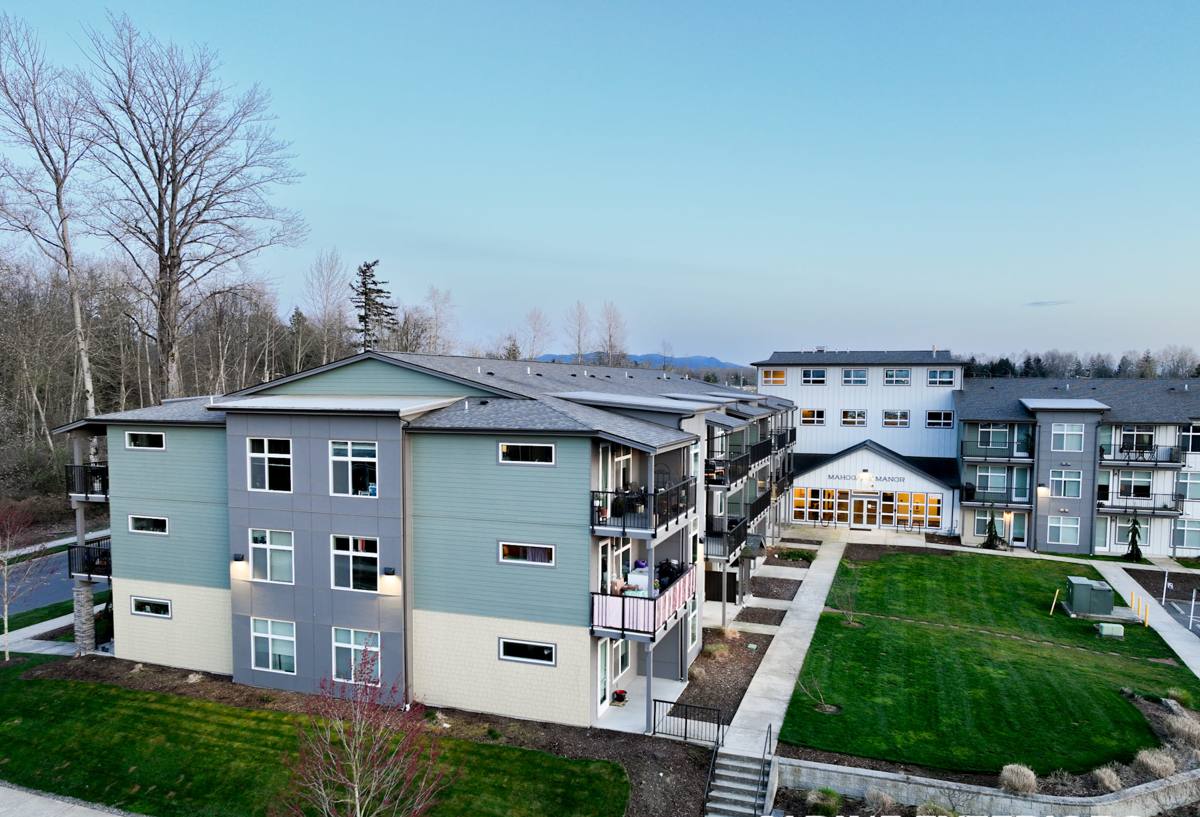
What Board & Batten Siding Actually Is — and How We Build It in James Hardie
Traditional board and batten is wide vertical boards with narrower strips (battens) covering the seams between them. Done in real wood, it's attractive but high-maintenance — wood movement, seam gaps, and rot at the bottom edges are constant issues in humid climates. We don't install wood, primed spruce, or engineered wood board and batten for exactly that reason: this climate is hard on any product that isn't dimensionally stable and moisture-resistant at its core.
We build the board and batten look using James Hardie's HardiePanel vertical siding, installed with true battens over the panel seams. HardiePanel is fiber cement — non-combustible, dimensionally stable, and manufactured in Hardie's HZ5 formulation, which is specifically engineered for hot, humid, high-moisture climates like Florida's. That matters more for board and batten than for most siding styles, because the vertical seams and batten joints are where a lesser material would show swelling, cupping, or seam separation first.
The result is a siding system that keeps the architectural look homeowners want — strong shadow lines, a clean vertical rhythm, good curb appeal on gables and accent walls — without the maintenance cycle of real wood or the impact and heat sensitivity that comes with vinyl board and batten panels.
Getting the Installation Right: What Correct Work Involves
Panel Layout and Fastening
Panel seams need to land on framing, be properly flashed, and be fastened per Hardie's published spec — fastener type, spacing, and embedment all affect how the panel performs in wind and how long the finish holds up. Battens then get face-fastened or blind-fastened over those seams at consistent spacing, which is as much about the finished look as it is about protecting the seam underneath.
Drainage Plane and Flashing
Every seam, corner, and penetration behind the panels needs a continuous water-resistive barrier and correctly lapped flashing. Board and batten has more vertical joints than lap siding, so there are simply more places where flashing has to be right — around windows, at inside and outside corners, and at the base of the wall where wind-driven rain during storm season is most likely to test the assembly.
Clearances and Terminations
Bottom edges need proper clearance off roofs, decks, and grade so panels aren't sitting in standing water or splash-back, which is a common failure point on homes near canals, retention ponds, or low-lying yards throughout the Largo area.
Finish and Caulk
James Hardie's factory-applied ColorPlus finish is baked on and warranted against fading and peeling — a real advantage over field-painted board and batten, which depends entirely on the quality of the paint job and how well the installer prepped the surface. Where caulking is needed at trim and battens, product selection and joint prep matter; the wrong sealant chalks and cracks under Florida UV well before the siding itself needs attention.
Where Board & Batten Jobs Go Wrong
Board and batten looks straightforward from the ground, but a rushed or under-spec'd install tends to fail in predictable ways. Here's what separates a correct job from a shortcut:
| Detail | Correct Approach | Common Shortcut |
|---|---|---|
| Seam backing | Seams land on framing with proper flashing behind them | Seams floated between studs, flashing skipped or minimal |
| Fastening | Manufacturer-spec'd fasteners, correct spacing and embedment | Whatever fasteners are on the truck, spaced by eye |
| Batten spacing | Consistent, planned layout tied to panel seams | Uneven spacing that drifts across the wall |
| Bottom clearance | Proper gap off grade, roofs, and decks | Panels run tight to grade or hardscape |
| Finish | Factory-applied ColorPlus finish or properly prepped field paint | Thin field coat over unprimed cut edges |
Most of these mistakes aren't visible on move-in day. They show up two, five, or ten years later as seam staining, soft spots, or fading — well after the crew that cut corners is gone.
Our Process for a Largo Board & Batten Project
We walk the exterior first and look at what's actually driving the decision — is this a full re-side, an accent wall, a gable, or an addition that needs to match the rest of the house? That determines panel layout and how battens align with existing trim and rooflines.
From there, we handle tear-off (if applicable), confirm the sheathing underneath is sound, and install a continuous water-resistive barrier before any panel goes up. Panels are cut, flashed, and fastened to Hardie's spec, battens go on with consistent spacing, and all cut edges get properly sealed and painted, since a factory edge that gets cut on site loses its factory protection unless it's treated correctly. We finish with trim, caulking, and a final walk-through before calling the job done.
Because we work Largo and the surrounding Pinellas communities regularly, we're not guessing at wind exposure, drainage patterns, or how a particular street tends to catch storm rain — we've already seen how houses in this area hold up over time, and we build to that, not to a generic spec sheet.
Living With Board & Batten Siding in Pinellas County
A correctly installed James Hardie board and batten system is genuinely low-maintenance, but "low" isn't "none." A short annual routine keeps it looking right and catches small issues before they become expensive ones:
- Rinse siding annually to clear salt residue and airborne grime, especially on sides facing prevailing wind
- Walk the exterior after hurricane season and check for loose battens, cracked caulk, or impact damage
- Keep sprinklers and irrigation heads from spraying directly on siding, which accelerates staining and mineral buildup
- Trim back landscaping so foliage isn't holding moisture against panels or battens
- Check caulk joints at trim and penetrations every couple of years and recaulk where it's cracked or pulled away
- Have any impact damage or lifted battens repaired promptly rather than left through another storm season
Why Hire a Crew That Already Works in Largo
Board and batten rewards a contractor who's thought through the details before the first panel goes up — layout planning, seam backing, flashing sequence, and finish work all have to be right the first time, because redoing vertical siding is far more disruptive than redoing lap siding. A crew that already works this part of Pinellas County has already made the adjustments this climate demands: heavier attention to seam flashing, fastener choices that hold up to salt air, and a finish schedule that accounts for how much UV this area gets year-round.
That local experience is also why we install only James Hardie fiber cement. We've made the call, based on how materials actually perform on homes in this climate over years, not just at installation — that Hardie's engineered product, factory finish, and warranty structure give homeowners here the best long-term outcome for a board and batten look, without the maintenance burden of wood or the heat and impact sensitivity of vinyl.
Cost Factors to Consider
Board and batten costs more than standard lap siding on the same wall, mainly because of the added batten material, labor, and layout planning. Broad factors that move the number for a Largo project include how much of the exterior is board and batten versus lap, how much of the existing wall needs repair before install, trim complexity around windows and corners, and whether it's new construction, a full re-side, or an accent application. We don't quote from a distance — every estimate comes from an actual walk of your home.
If you're weighing board and batten for a Largo home, we're happy to take a look and give you a straightforward, no-pressure estimate — no obligation, just an honest read on what your home needs and what it would take to do it right. The form below gets you started.