 Oldsmar Siding
 Largo's Coastal Climate Is Hard on Windows
Largo sits in the middle of Pinellas County, close enough to the Gulf that salt air, humidity, and storm exposure shape every part of a home's exterior — windows included. Between hurricane-force wind events, wind-driven rain that gets pushed sideways into frames and seals, and UV exposure that runs nearly year-round, window systems here age differently than they do inland. A window that would last decades in a drier, milder climate can start failing in half that time along the Gulf Coast if it wasn't built or installed for these conditions in the first place.
That's the starting point for any honest conversation about window installation in Largo: this isn't a cosmetic upgrade, it's a system that has to hold up against wind pressure, resist water intrusion, and keep working smoothly despite constant sun and salt exposure. We're based just up the road in Oldsmar, and Largo is part of our regular service area, so this is the climate our crews are working in every week — not something we're guessing at from a manual.
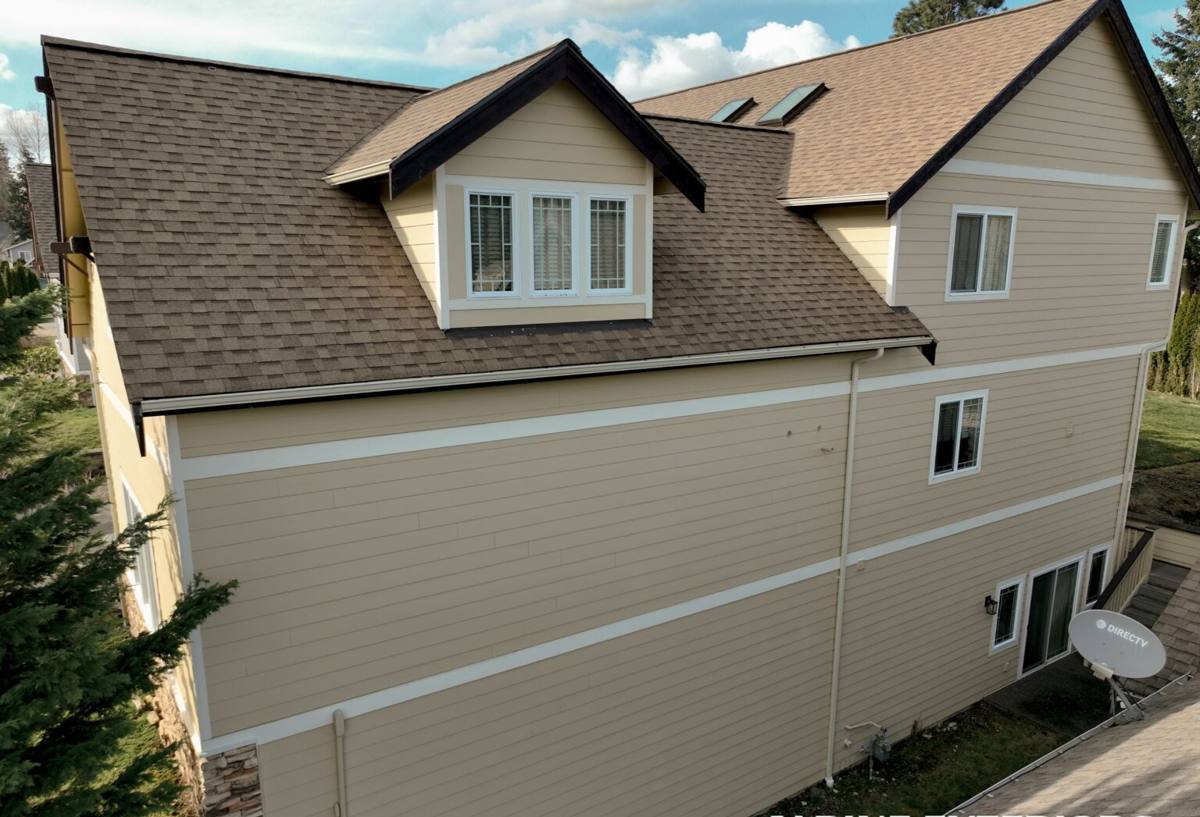
Signs a Largo Home's Windows Have Reached the End of Their Service Life
Windows don't usually fail all at once. They show wear gradually, and in a coastal climate the warning signs tend to show up faster on the sides of the house that take the most sun and weather. Common signs it's time to talk about replacement rather than repair include:
- Fogging or a milky haze between panes on double-pane windows — the seal has failed and moisture is trapped inside the glass unit
- Frames that feel soft, swollen, or show visible rot around the edges, especially on older wood-framed windows
- Aluminum frames with white, chalky corrosion (common near the coast where salt air accelerates oxidation)
- Windows that are difficult to open, close, or lock — a sign the frame has shifted or the hardware has worn out
- Noticeable drafts, water staining below the sill, or a musty smell after heavy rain
- A jump in cooling costs without any other change in how the home is used
Any one of these on its own might be a repair job. Several of them together, especially on an older home, usually point to windows that are past the point where patching makes financial sense.
What a Correct Window Installation Actually Involves
Window installation looks simple from the outside — old unit out, new unit in — but the parts that actually determine whether a window performs in a storm are mostly hidden once the trim goes back on. Rushed or shortcut installs are one of the most common reasons a window leaks or underperforms, even when the window product itself is a good one.
Removal and Opening Prep
The old window and any damaged trim come out carefully to avoid enlarging the rough opening or damaging the surrounding stucco, siding, or drywall. This is also the point where hidden problems — soft sheathing, old water damage, deteriorated framing — get found. In a humid coastal climate, it's not unusual to find some degree of moisture damage behind older windows, and that has to be addressed before a new window goes in, not covered over.
Flashing and Moisture Management
Correct flashing is what keeps wind-driven rain from working its way behind the window and into the wall cavity over time. This means proper sill pan flashing, correctly lapped house wrap or building paper, and sealant placed where it actually does something — not just a bead of caulk around the outside trim. Given how much wind-driven rain a Largo storm can push horizontally against a wall, this step matters more here than it would in a calmer climate.
Anchoring and Fastening
Fastener type, spacing, and embedment depth are dictated by the window's product approval and the local wind requirements — not by whatever screws happen to be on the truck. Pinellas County sits within Florida's wind-borne debris region, which means both the window product and the installation method have to meet specific code requirements, and that gets verified through the permitting and inspection process.
Sealing and Finish Work
The final seal, both inside and out, needs to allow for some material movement (frames expand and contract with heat) while still keeping water out. Interior and exterior trim gets reset or replaced, and everything gets cleaned up before final walkthrough.
Impact-Rated Glass vs. Storm Protection Alternatives
Homeowners in Largo generally have two ways to meet Florida's wind-borne debris requirements: install impact-rated windows, or install standard windows paired with approved storm shutters or panels. Both are legitimate, code-compliant paths, and the right one depends on budget, how the home will be used, and how much storm prep a homeowner wants to deal with each season.
| Factor | Impact-Rated Windows | Standard Windows + Shutters |
|---|---|---|
| Storm prep required | None — windows are always protected | Shutters or panels must be installed before each storm |
| Upfront cost | Higher per opening | Lower window cost, plus shutter cost |
| Everyday noise reduction | Noticeably better due to laminated glass | No change from standard glass |
| Home security | Glass resists breakage year-round | Only protected when shutters are deployed |
| Storage and maintenance | None needed | Shutters need storage space and periodic upkeep |
We'll walk through both options honestly during an estimate. Impact glass tends to make the most sense for homeowners who want a "set it and forget it" approach or who aren't always home to put up shutters before a storm. Shutters can be the more budget-friendly route for a home where window replacement isn't otherwise on the table yet.
Choosing Frame Material for a Gulf Coast Home
Frame material affects how a window handles the combination of sun, salt, and moisture that's constant in this part of Florida. There's no single "best" choice for every home — it depends on the home's style, budget, and how exposed the window openings are to direct weather.
| Frame Material | Coastal Performance | Maintenance |
|---|---|---|
| Vinyl | Good resistance to salt corrosion; won't rust or rot | Low — occasional cleaning, no painting |
| Aluminum | Strong and slim profile, but prone to oxidation near salt air over time | Moderate — may need refinishing on older units |
| Fiberglass | Very stable in heat and humidity, resists warping | Low |
| Wood (with cladding) | Attractive but more vulnerable to moisture without proper cladding and upkeep | Higher — regular sealing and inspection |
For most Largo homes, we steer clients toward vinyl or fiberglass frames for their combination of low maintenance and solid performance against salt air and humidity. Where wood-look or a specific architectural style matters, that's still an option — it just comes with a clearer-eyed conversation about upkeep, since a coastal climate is unforgiving toward anything that needs regular sealing or painting to hold up.
Our Process, From Estimate to Final Walkthrough
- On-site assessment — we measure every opening, check framing condition, and talk through what's actually needed versus what's optional
- Product selection — we go over frame material, glass options, and impact vs. non-impact based on the home and budget
- Permitting — required paperwork gets filed with the appropriate local authority before work starts
- Site prep — work areas, floors, and landscaping near the openings are protected
- Removal and inspection — old windows come out, and we flag any hidden framing or water damage before proceeding
- Installation — new windows are set, flashed, anchored, and sealed to code and manufacturer specification
- Finish work — trim, caulking, and cleanup, inside and out
- Final walkthrough — every window is opened, closed, and checked with the homeowner before we consider the job done
What Affects the Cost of Window Installation in Largo
Every home is different, so we don't quote window jobs off a flat per-window price without seeing the openings. The factors that most commonly move the cost up or down include:
- Number of windows being replaced and whether it's a full-home or partial project
- Impact-rated glass versus standard glass paired with shutters
- Frame material (vinyl, fiberglass, aluminum, or clad wood)
- Standard sizes versus custom or oddly shaped openings
- Condition of the framing found once old windows are removed
- Second-story or hard-to-access openings
- Permit fees, which vary by scope of work
- Removal and disposal of the old windows
We'll always tell you upfront if we find something during removal — like soft sheathing or old water damage — that changes the scope, rather than quietly working around it or springing a surprise cost on you at the end.
Why Hire a Crew That Already Works in Largo
Window installation done wrong doesn't usually fail on a calm day — it fails during the next serious storm, when wind-driven rain finds the one spot where flashing was skipped or a seal wasn't set right. A crew that works Largo and the surrounding Pinellas County area regularly knows what that failure looks like because we've seen it on other homes, and we build our process to avoid it.
There's also a practical side to local experience: familiarity with the permitting process for this area, an understanding of the housing stock common in Largo neighborhoods (a lot of it dating from the same general era, with similar window openings and construction), and the ability to get back out to a job quickly if something needs a follow-up look. That's harder to get from a crew that only passes through the Tampa Bay area occasionally.
If you're weighing whether it's time to replace windows on a Largo home — or just want a straight answer about what impact glass would cost versus shutters — we're happy to come take a look. Reach out for a free, no-pressure estimate using the form below.