 Oldsmar Siding
 Why Lutz Homes Need More Than a Standard Window Replacement
Lutz sits in that stretch of the greater Tampa Bay region where inland heat and coastal weather both reach you. Homes here aren't right on the beach, but they still take the same wind gusts, the same summer humidity swings, and enough salt-laden air moving through this part of the Gulf Coast to matter over time. When a homeowner calls us about replacing windows in this area, the first thing we ask isn't "what style do you like" — it's "how old are your current windows, and what are they doing wrong right now." That answer tells us more about the right fix than any catalog photo.
A lot of window problems in this region don't show up as a cracked pane. They show up as a window that's suddenly hard to latch, a frame that feels soft when you press on it, or a faint musty smell near the sill after a heavy rain. Those are climate problems, not just age problems, and they need to be solved with the right product and the right installation — not just a like-for-like swap.
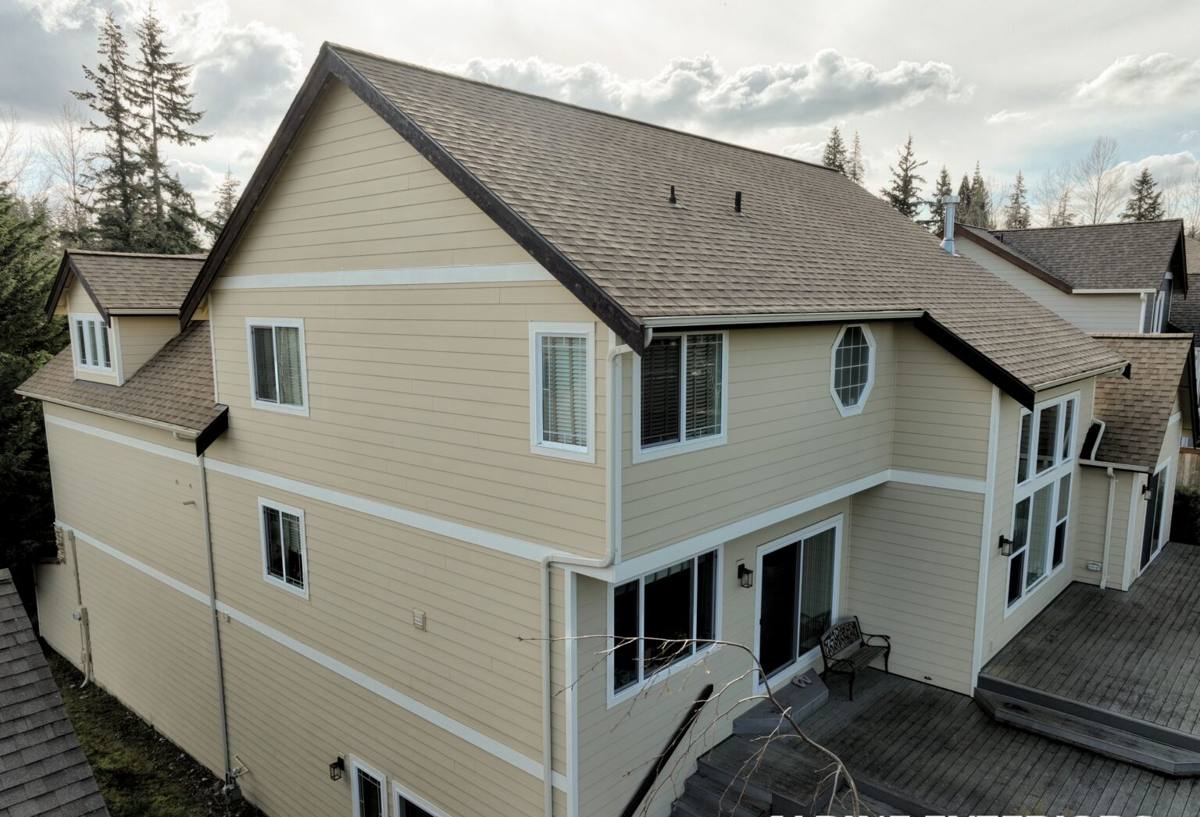
What Hurricane-Force Wind and Wind-Driven Rain Do to Windows Over Time
Standard-grade windows are built to keep weather out under normal conditions. They aren't necessarily built to handle sustained pressure changes during a tropical storm or hurricane, or rain that's being driven sideways into a wall instead of falling straight down. Over several storm seasons, that combination causes real, cumulative damage:
- Frame flexing under wind pressure, which slowly loosens the seal between the window and the rough opening
- Water intrusion around the perimeter during wind-driven rain, even when the glass itself never leaks
- UV breakdown of seals and gaskets, since Florida sun is intense and constant almost year-round, not seasonal
- Corrosion of hardware and fasteners from salt-bearing air, which is more of a factor here than most homeowners realize until they see rust on a lock or hinge
None of this is dramatic on its own. It's slow. That's exactly why so many homes end up with windows that look fine from the driveway but are quietly failing where it counts — at the seal, the flashing, and the connection to the wall.
What a Correct Custom Window Installation Actually Involves
"Custom" doesn't just mean a non-standard size. It means the window and the installation are matched to the specific opening, the specific wall assembly, and the specific exposure that house has. Getting this right involves several distinct steps, and skipping any one of them is where most window failures actually start.
Frame and Rough Opening Prep
Before a new window goes in, the rough opening has to be checked for square, level, and any hidden rot or moisture damage in the surrounding framing. In older Lutz-area homes, this is often where we find the real problem — not the window that's being replaced, but wood or sheathing behind it that's been absorbing moisture for years.
Flashing and Weatherproofing
This is the part that never gets seen once the job is done, and it's the part that matters most. Proper flashing tape and sealant integration with the wall's water-resistive barrier is what actually stops wind-driven rain from getting behind the window, not the caulk bead you can see from outside.
Glass Package and Impact Rating
The glass and frame combination needs to match both the wind zone requirements for this part of Florida and the realistic exposure of that specific wall — a west-facing wall catching afternoon sun and prevailing wind isn't the same problem as a shaded, protected side of the house.
Fastening and Hardware
Fasteners and hardware need to be corrosion-resistant, not just adequate on day one. This is a small line-item detail that has an outsized effect on how the window performs and looks five or ten years down the road in a salt-air environment.
Choosing the Right Window for a Lutz Home
There's no single "best" window material — there's a best fit for a given home's exposure, budget, and maintenance appetite. Here's how the common options compare for this climate:
| Frame Material | Wind/Impact Performance | Maintenance | Typical Trade-Off |
|---|---|---|---|
| Vinyl | Good, when properly reinforced | Low — no painting, won't rust | Can flex more in extreme heat over decades |
| Aluminum | Strong, rigid frame | Moderate — watch for corrosion at coastal-adjacent sites | Conducts more heat/cold than other options |
| Fiberglass | Very good, dimensionally stable | Low | Higher upfront cost |
| Wood-clad | Good with proper cladding | Higher — cladding and seals need periodic inspection | Best for homeowners wanting a specific interior look |
Our standard is to size the frame material and glass package to the wall's actual sun and wind exposure, not to install the same spec across every opening on the house regardless of orientation.
Impact-Rated Glass vs. Standard Glass Plus Shutters
This is one of the most common decisions Lutz homeowners weigh, and it's worth laying out honestly rather than pushing one option:
| Factor | Impact-Rated Glass | Standard Glass + Shutters |
|---|---|---|
| Upfront cost | Higher per window | Lower per window, added shutter cost |
| Storm prep effort | None — always protected | Shutters must be installed before every storm |
| Daily appearance | Unchanged, clear view at all times | Unchanged until shutters go up |
| Long-term cost | One installation, minimal upkeep | Recurring labor/time cost each storm season |
| UV and noise reduction | Typically better, even outside storm season | No everyday benefit from shutters |
We'll walk you through both honestly. Some homeowners prefer the lower upfront number and don't mind the shutter routine; others want to never think about storm prep again. Neither choice is wrong — it depends on your budget and how you want to spend your time every June.
Our Process, Start to Finish
- On-site assessment — we look at every opening individually, not just the house as a whole, since sun and wind exposure vary window to window
- Honest recommendation — frame material, glass package, and whether impact-rated glass or a standard-plus-shutter approach fits your situation and budget
- Accurate measurement and ordering — since these are custom sized to the opening, not off-the-shelf
- Removal and opening inspection — checking for hidden moisture or framing issues before anything new goes in
- Installation with proper flashing and sealing — the step that determines whether the window actually performs in wind-driven rain
- Final adjustment and walkthrough — confirming every window opens, closes, and locks the way it should before we consider the job done
Signs Your Current Windows Are Already Failing
Most homeowners don't call us the day a window fails — they call weeks or months after noticing something was off. If you're seeing any of these, it's worth getting an honest look before the next storm season:
- Fogging or moisture between panes on a double-pane window
- Visible daylight or a draft around the frame edges
- Difficulty locking, or a lock that no longer aligns properly
- Soft or discolored trim/drywall near the sill after rain events
- Rust staining on hardware, hinges, or fasteners
- A musty smell that appears specifically after wind-driven rain
- Frames that feel loose or flex when pushed on gently
Why Hiring a Crew That Already Works in Lutz Matters
Window performance in this climate isn't just about the product — it's about whether the installer understands how wind, sun exposure, and moisture actually behave on homes in this part of the Gulf Coast. A crew that regularly works in and around Oldsmar and the surrounding Pinellas County area has already seen how different wall assemblies, orientations, and ages of construction respond to our weather. That experience shows up in the small decisions during installation: how much flashing overlap to use, where extra sealant attention matters most, which corner details tend to fail first on older homes nearby. It's the difference between a technically correct installation and one that's actually built for what this area throws at it.
Caring for Custom Windows After Installation
A properly installed window still benefits from basic upkeep, especially given the sun and salt air this region sees:
- Rinse frames and hardware periodically to reduce salt buildup, especially on aluminum components
- Check and clean weep holes so water can drain as designed instead of pooling at the sill
- Inspect exterior caulk lines annually and touch up before they crack fully through
- Test locks and hardware for smooth operation each spring, ahead of storm season
None of this is complicated, but skipping it is how a well-installed window ends up with the same problems as an old one, just years later than it should have.
If your windows are due for a look — whether you're dealing with a specific problem or just want an honest opinion on what shape they're in — we're happy to come out, walk the exterior with you, and give you a straightforward, no-pressure estimate using the form below.