 Oldsmar Siding
 Roof Repair for Lutz's Specific Climate Stresses
Lutz homes take on a combination of weather stresses that most generic roofing advice doesn't account for. Hurricane-force wind events test every fastener, shingle edge, and flashing seam a roof has. Between storms, near-constant Florida sun bakes roofing materials from above almost every day of the year, breaking down asphalt binders and drying out sealants long before a shingle's rated lifespan is up. Add wind-driven rain that gets pushed sideways and upward under roof edges instead of simply running off, plus a steady dose of salt-tinged air moving inland from the Gulf, and you have a set of conditions that wears differently on a roof than it does even a few counties inland. A repair that would hold up fine in a milder climate can fail here within a season or two if it doesn't account for all of that.
This page focuses specifically on roof repair for Lutz homes — what local roofs actually need, what a correct repair job looks like, how our process works from first call to final walkthrough, and why it matters to hire a crew that already works this area regularly rather than one learning the local conditions on your roof.
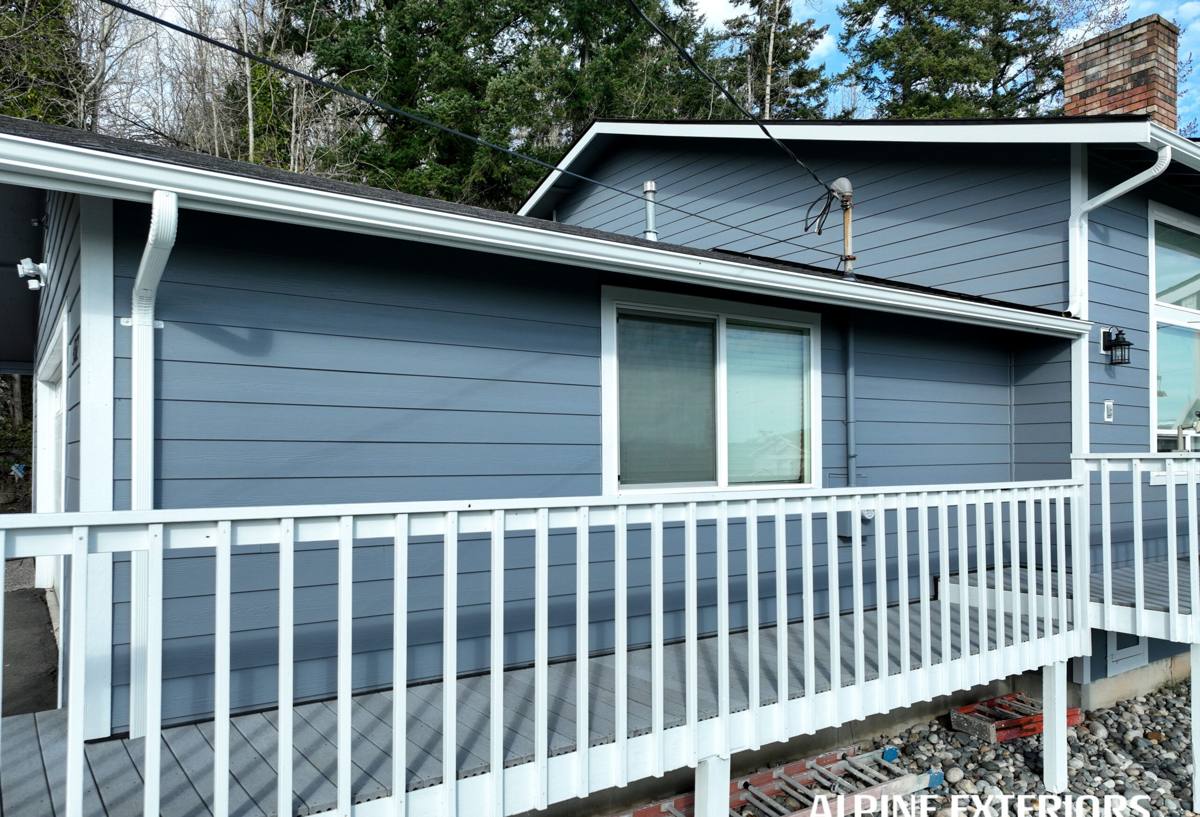
Why Roof Repair in Lutz Isn't a One-Size-Fits-All Job
Roof repair covers a wide range of actual scope, from replacing a handful of storm-damaged shingles to reworking a failed flashing detail that's been letting water in for months. What all of it has in common in this part of Florida is that the underlying cause is rarely just "old roof." It's usually a specific point of failure — a flashing seam, a fastener pattern, a ventilation gap — that's been under repeated stress from wind, sun, and rain and finally gave out.
That's why a proper repair starts with figuring out why the roof failed where it did, not just patching the visible symptom. A shingle that blew off in a wind event might be a one-off, or it might be the third one in that same area because the nailing pattern underneath was never right to begin with. Treating only what's visible from the ground, without understanding the underlying cause, is how the same repair call gets made twice.
What Local Weather Actually Demands From a Repair
- Wind-rated materials and fastening: Hurricane-force gusts test shingle wind ratings and nailing patterns directly — a repair that doesn't match or exceed the original installation's wind resistance is a repeat failure waiting to happen.
- UV-stable sealants and flashing cement: Standard-grade sealants break down faster under Florida's year-round sun exposure than products rated for continuous UV load.
- Properly lapped, storm-rated underlayment at repair areas: Wind-driven rain gets forced up and under roof edges, so a patch that only addresses the surface layer without correcting the underlayment underneath it will still leak in the next storm.
- Corrosion-resistant flashing and fasteners: Salt-tinged air moving off the Gulf accelerates corrosion on standard-grade metal, which is often where a repair starts failing again a couple of years later.
Common Roof Problems We See on Lutz Homes
Certain patterns show up repeatedly on roofs in this area, and recognizing them early is usually the difference between a contained repair and a much larger, more expensive fix.
Wind-Lifted or Missing Shingles
After a hurricane-force wind event, missing or lifted shingles are the most visible sign of damage, but they're rarely the only issue. Wind that's strong enough to lift or remove shingles has usually stressed the surrounding area too, including fasteners and underlayment that may look intact but no longer seal the way they should.
Flashing Failures at Valleys, Chimneys, and Walls
Most leaks in this climate don't start in the open field of the roof — they start at a flashing detail. Valleys where two roof planes meet, chimney and skylight penetrations, and wall-to-roof transitions are where wind-driven rain finds a way in, especially once original sealant has dried and cracked under sustained UV exposure.
Sun-Degraded Shingles and Sealants
Even without a storm event, Florida's intense year-round sun breaks down asphalt shingle binders and dries out sealant beads over time, leading to cracking, granule loss, and curling shingle edges that let water underneath.
Soft Decking From Long-Term Moisture Intrusion
A slow leak that's gone unnoticed for a while, often from a small flashing gap, can soften the roof deck underneath. This isn't always visible from the surface and is one of the main reasons a proper inspection matters before scoping a repair.
What a Correct Roof Repair Involves
A repair that actually holds up in this climate addresses the roof as a system at the affected area, not just the surface layer that's visible.
Diagnosis Before Scope
Identifying the real point of failure, rather than just the visible damage, determines what the repair actually needs to include. A missing shingle might need more than a replacement shingle if the underlayment or decking beneath it was also compromised.
Deck Assessment at the Repair Area
Any area with signs of past water intrusion gets checked for soft spots or rot before new material goes back on. Covering compromised decking with new shingles just hides a problem that will resurface, usually as a worse one.
Underlayment and Water Barrier Correction
Where the repair area's underlayment has failed or degraded, it gets replaced, not just patched over. This matters directly in a climate where wind-driven rain is pushed under shingle edges rather than running straight off in a normal rain event.
Flashing Repair or Replacement
Flashing at valleys, penetrations, and wall intersections gets properly lapped, sealed, and integrated with surrounding underlayment and shingles, rather than simply caulked over as a quick fix. A caulk-only fix on a flashing failure is one of the most common reasons a "repaired" leak comes back.
Matching Materials and Fastening to Wind Rating
Replacement shingles and fasteners are matched to at least the wind rating of the surrounding roof, following manufacturer specification rather than a shortcut pattern. A repair patch that's weaker than the roof around it becomes the next point of failure in the next wind event.
Repair vs. Replacement: How We Help You Decide
| Situation | Repair Usually Makes Sense | Replacement Worth Considering |
|---|---|---|
| Age of roof | Roof is well within its expected lifespan | Roof is at or past the end of its rated life and showing widespread wear |
| Extent of damage | Damage is isolated to one or two areas | Multiple areas show separate, unrelated failures |
| Underlying decking | Deck is sound outside the repair area | Widespread soft decking found during inspection |
| Storm history | First significant damage after a storm event | Repeated storm damage to the same roof over recent years |
We'll always give you a straight answer on which side of that line your roof falls on, along with the reasoning behind it, so you're not left guessing whether a repair is a real fix or a temporary one.
Cost Factors Worth Understanding
Repair estimates for what looks like a similar problem can vary quite a bit, and the difference usually comes down to real differences in scope rather than one contractor simply charging more for the same work.
| Factor | What It Affects |
|---|---|
| Extent of hidden damage found at inspection | Whether the job stays a contained patch or expands to address decking or underlayment |
| Flashing scope | How thoroughly valleys, penetrations, and wall intersections are addressed versus just resealed |
| Matching shingle availability | Whether replacement shingles match the existing roof's color and profile or require a wider blend area |
| Roof pitch and access | Labor time, staging, and safety requirements for the repair area |
| Underlayment grade used | How well the repaired area resists wind-driven rain going forward |
Broad honest ranges for straightforward, isolated repairs on Lutz homes typically run from a few hundred dollars for a small, contained patch up to a few thousand for repairs involving flashing rework or decking replacement. A detailed written estimate that itemizes what's actually being done tells you far more than a single lump-sum number.
How Our Process Works
We keep the repair process straightforward because homeowners deserve to know exactly what's happening and why at every stage.
- In-person inspection: We walk the roof in person, not from a photo or a drive-by, and document what we find, including areas near but not limited to the visible damage.
- Diagnosis and written scope: We identify the actual cause of the failure and put together a written scope that explains what needs to happen and why, before any work starts.
- Repair work: We complete the repair to match or exceed the wind rating and water resistance of the surrounding roof, using materials suited to this climate.
- Final walkthrough: We walk the completed repair with you so you can see exactly what was done and ask any questions before we consider the job finished.
What to Check Before You Hire a Roof Repair Contractor
- Do they inspect in person before quoting, rather than pricing from a description or photo alone?
- Does their written estimate itemize the actual scope, including flashing and underlayment work, not just "patch and reshingle"?
- Do they carry current licensing and insurance appropriate for roofing work in Florida?
- Do they explain why the damage happened, not just what they plan to do about it?
- Do they work in the Lutz and greater Tampa Bay area regularly, or is this an unfamiliar market for them?
- Is the warranty on the repair itself clear, separate from any manufacturer material warranty?
Why Hiring a Crew That Already Works Lutz Matters
Manufacturer installation and repair guidance is written for average conditions, and Lutz roofs regularly see conditions that aren't average — hurricane-force wind loads, sustained UV exposure, and wind-driven rain that behaves differently than a normal straight-down rain event. A crew that hasn't worked this specific combination of stresses regularly can get a repair technically correct on paper and still miss the details that determine whether it actually holds through the next storm season, like how far a flashing lap needs to extend on a given roof pitch, or which underlayment actually performs when rain is being pushed sideways rather than falling straight down.
We work in Lutz and the surrounding Tampa Bay area regularly, which means we're not guessing at how a particular roof age, pitch, or exposure tends to hold up here over time. That familiarity shows up in the calls that matter most — the ones that decide whether a repair is still sealed tight after the next round of storms, or showing the same leak again within a year.
Ready When You Are
If you've got a leak, storm damage, or a spot on your roof that's been bothering you, it's worth having someone take an honest look before it turns into a bigger repair. We offer free, no-pressure estimates for roof repair in Lutz and the surrounding area — use the form below to get a time on the schedule.