 Oldsmar Siding
 New-Construction Windows Built for Palm Harbor's Climate
Palm Harbor sits close enough to the Gulf that salt air, wind-driven rain, and intense sun are part of daily life for every home in the area. When you're building new or doing a full-frame window replacement, you have a rare chance to get the window opening built correctly from the studs out — flashing, sealing, and structural attachment done right the first time, instead of patched around an old frame. Oldsmar Siding Company installs new-construction windows for homeowners and builders throughout Palm Harbor and the surrounding Pinellas County area, and we treat that opportunity seriously.
"New-construction" windows are different from replacement (or "pocket") windows. They have a nailing fin around the perimeter that gets fastened directly to the wall sheathing, and the surrounding water-resistive barrier and flashing tape integrate with the window as one continuous system. Done correctly, this is the strongest, most weathertight way to install a window. Done poorly — skipped flashing steps, wrong fastener spacing, gaps in the sealant line — it's also one of the most common sources of hidden water intrusion in coastal homes.
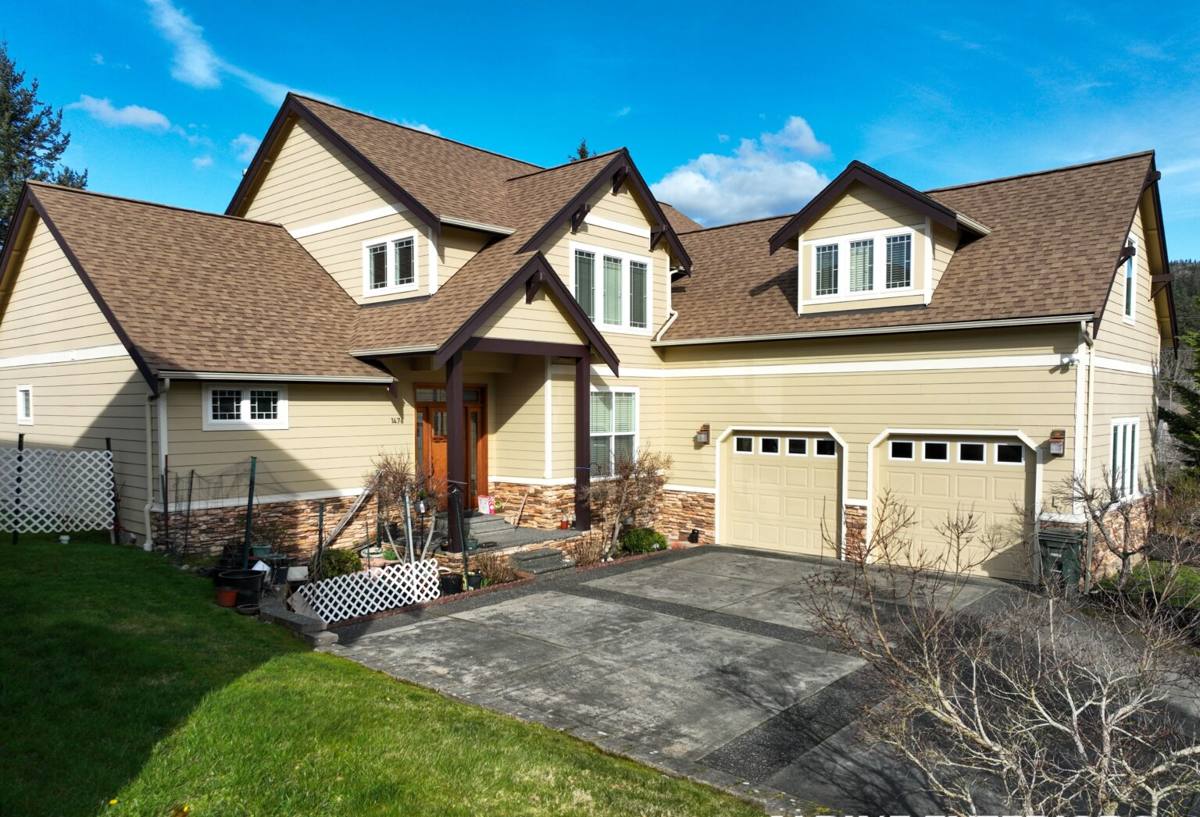
What Palm Harbor Homes Actually Need From Their Windows
Every window we install here has to hold up against a specific combination of stresses that inland homes simply don't deal with:
- Hurricane-force wind loads — Pinellas County sits in a high-velocity hurricane zone, and window openings are one of the first failure points when a home loses structural integrity in a storm.
- Wind-driven rain — Florida storms don't just drop rain, they push it sideways and upward under trim and around frames. A window that isn't flashed correctly will leak long before the glass ever cracks.
- Year-round, high-angle UV exposure — constant sun degrades cheap vinyl, weakens sealants, and fades interior finishes near windows faster than in most of the country.
- Salt-laden air — even a few miles from open water, airborne salt accelerates corrosion on hardware, screws, and lesser-grade metal components.
The right window product matters, but so does the installation. A top-tier impact window installed with poor flashing details will still leak. A modest window installed correctly, with proper integration into the wall assembly, will often outperform it.
Florida Building Code and Wind Zone Requirements
New-construction windows in this part of Pinellas County have to meet Florida Building Code wind load and impact requirements for the local wind zone, which varies somewhat by distance from the coast and structure height. This isn't a box to check — it determines glass thickness, frame reinforcement, anchoring method, and in some cases whether impact-rated glazing or a separate protection system is required. We pull permits and coordinate inspections as part of the installation, so the finished opening is documented and code-compliant, not just "looks right."
What a Correct New-Construction Window Installation Involves
This is where most of the long-term performance of a window is actually decided — not in the showroom, but in the sequence of steps around the opening.
- Rough opening inspection. We verify the opening is square, plumb, and sized correctly before anything goes in. Framing errors caught here are cheap to fix; caught after the window is set, they're not.
- Water-resistive barrier and flashing integration. The wall's weather barrier, sill pan flashing, and window flanges have to be layered correctly — sill flashing first, then jambs, then head flashing — so water is always directed outward and downward, never trapped behind the window.
- Sill pan installation. A properly sloped, sealed sill pan is one of the most important and most-skipped details in coastal window work. It gives any water that does get past the exterior seal a way out instead of a place to sit.
- Setting and anchoring the window. Fastener type, spacing, and embedment into structural framing have to match the window manufacturer's wind-load specifications and the local code requirements — not a generic "every 12 inches" approach.
- Perimeter sealing. A compatible, UV-stable sealant is applied at the exterior, with backer rod used where gaps are too wide for sealant alone to perform correctly.
- Interior and exterior trim-out. Once the window is tested and confirmed weathertight, trim, siding, and interior finish work close out the opening.
Where Installations Commonly Fail
We get called to inspect and correct other contractors' work often enough to know the recurring problems: reused or missing sill pans, flashing tape applied in the wrong order (letting water run behind it instead of over it), sealant used as a substitute for proper flashing instead of a backup to it, and fasteners driven into the window frame instead of structural framing. Every one of these is invisible once the trim goes on — and every one of them eventually shows up as a stain, soft drywall, or mold behind a wall.
Comparing Window Frame Materials for This Climate
| Material | Salt Air Resistance | UV/Heat Performance | Maintenance |
|---|---|---|---|
| Vinyl | Good — won't corrode | Quality varies; lower-grade vinyl can warp under sustained heat | Low |
| Aluminum | Fair — needs corrosion-resistant coatings and hardware near the coast | Strong structurally but conducts heat | Moderate |
| Fiberglass | Very good — dimensionally stable, resists corrosion | Holds up well to UV and temperature swings | Low |
| Wood-clad | Poor without diligent upkeep — moisture and salt exposure are hard on exposed wood | Fine if maintained; finish can degrade under UV | High |
We don't push one frame material as the only right answer. We'll walk you through the honest trade-offs — upfront cost, expected maintenance, and how the product performs specifically in a coastal Pinellas County environment — so you're choosing based on your home and budget, not a sales script.
Impact-Rated vs. Non-Impact Windows in Palm Harbor
Impact-rated windows use laminated glass that stays intact under wind-borne debris impact, so many Palm Harbor homeowners choose to meet their code-required opening protection with impact glass directly rather than adding separate shutters. It's a real convenience — no storm prep scrambling — but it's also a bigger upfront investment than standard glass paired with a shutter system. Either approach can satisfy code when installed correctly; which makes more sense depends on your budget, how the home is used, and whether you'd rather store and deploy shutters before a storm or not think about it at all.
Our Process for Palm Harbor Projects
Because we work regularly throughout Oldsmar and Palm Harbor, we already know the local permitting expectations and the wind-load requirements that apply in this part of Pinellas County — that's less back-and-forth and fewer surprises for you.
- On-site assessment of the openings, structure, and any existing water intrusion or framing issues
- Written estimate that spells out window specifications, flashing method, and scope — no vague line items
- Permit pulled and coordinated with the county before work begins
- Installation following manufacturer flashing instructions and current Florida Building Code details
- Final inspection and walkthrough with you before we consider the job finished
Why Local Installation Experience Matters
A contractor who mostly works inland can install a window that looks fine and still gets the flashing sequence wrong for a coastal wall assembly — because inland homes simply don't demand the same level of detail. Crews who work Palm Harbor and the surrounding Oldsmar area regularly see how sun, salt, and storm exposure actually affect installations over years, not just at the walkthrough. That experience shows up in the small decisions: which sealant holds up under this UV load, how sill pans need to be detailed for wind-driven rain, and where local inspectors focus their attention.
Questions to Ask Any Window Contractor
- Do you pull permits and coordinate inspections, or is that left to me?
- What sill pan and flashing method do you use, and why?
- Can you show the wind load and impact rating documentation for the products you're quoting?
- What's your warranty on labor, separate from the manufacturer's product warranty?
- Have you installed windows in my specific neighborhood or a comparable coastal area?
Maintaining New-Construction Windows After Installation
Even a correctly installed window benefits from basic upkeep in this climate. Rinse accumulated salt residue off frames and hardware periodically, inspect exterior sealant lines annually for cracking or separation (a common early UV effect), and keep weep holes clear of debris so any incidental moisture can drain as designed. Catching a failed sealant joint early is a five-minute fix; ignored for a few storm seasons, it can turn into a wall repair.
Getting Started
If you're building new, doing a major renovation, or replacing windows down to the studs in Palm Harbor, we're happy to walk the site, answer questions honestly, and put together a clear written estimate — no pressure, no obligation. Fill out the form below to schedule a free assessment.