 Oldsmar Siding
 Siding Repair Built for Safety Harbor's Climate, Not a Generic Checklist
Safety Harbor sits right on Old Tampa Bay, which means homes here take on a specific combination of punishment: salt-laden air moving off the water, wind-driven rain during summer storms, intense year-round UV, and the occasional direct hit from a tropical system's outer bands. Siding repair in this pocket of Pinellas County isn't a one-size-fits-all job. A crack that looks cosmetic on a home a few miles inland can be a moisture entry point here, because the air itself is more corrosive and the rain rarely falls straight down.
We're based in Oldsmar and work this corridor regularly, so we're not learning the local conditions on your dime. We know which sides of a Safety Harbor home typically take the worst weathering, what kind of damage shows up first, and what a repair needs to hold up to for years rather than months.
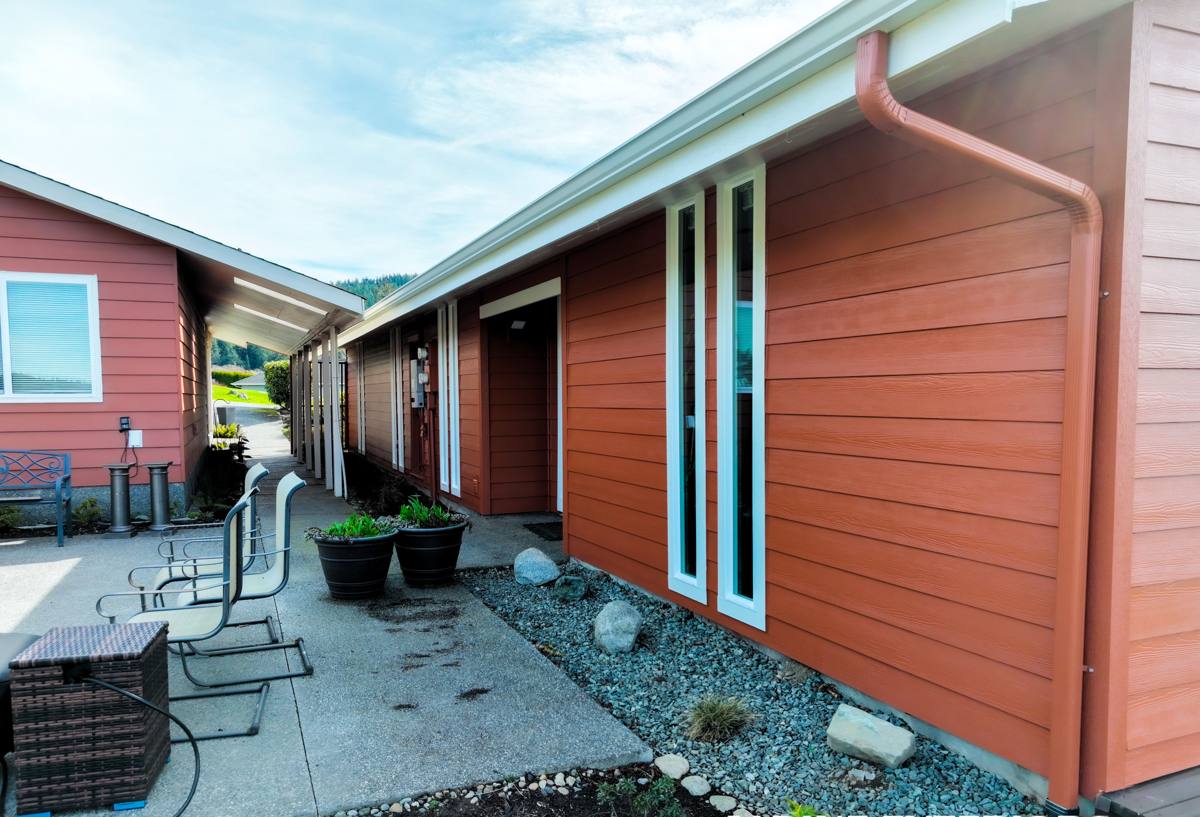
Common Siding Damage We See on Safety Harbor Homes
Seam and Joint Failure
Butt joints and corner seams are where siding fails first. Wind-driven rain off the bay pushes water sideways into gaps that would stay dry in calmer weather. Once caulk at a joint dries out and cracks from UV exposure, water gets behind the siding and the damage becomes about the wall assembly, not just the board.
Heat-Cycling Cracks and Buckling
Florida's daily swing between intense sun and afternoon storms puts constant expansion-and-contraction stress on siding. Over years, that cycling opens hairline cracks, telegraphs fastener heads, and can cause boards to buckle if they were installed without correct expansion gaps.
Impact Damage
Storm debris, lawn equipment, and falling branches cause dents, chips, and cracked planks. On fiber cement, impact damage is usually localized and repairable if it's caught before water gets behind the damaged section.
Salt Air and Coastal Weathering
Proximity to Old Tampa Bay means more airborne salt than homes further inland. Salt accelerates the breakdown of caulk, fasteners, and paint film, so trim and butt joints near ground level or facing open water tend to show wear sooner.
Repair or Replace: How We Make That Call
Not every damaged section needs full replacement, and not every repair should stop at cosmetic patching. The right call depends on how far moisture has traveled, how old the existing siding is, and whether the damage is isolated or spread across a wall.
| Situation | Typical Approach | Why |
|---|---|---|
| Isolated crack or impact chip, dry substrate behind it | Spot repair or single-plank replacement | Damage hasn't spread; matching the section is straightforward |
| Failed caulk joints, no wood rot yet | Re-seal and re-caulk with correct joint treatment | Cheapest fix that actually addresses the entry point |
| Soft or discolored sheathing behind siding | Remove affected section, dry out and repair sheathing, reinstall | Patching over wet sheathing just traps the problem |
| Widespread cracking across one or more elevations | Full elevation or full-house replacement | Repeated failure usually points to age or an installation-wide issue |
| Siding older than 20-25 years with multiple problem areas | Replacement discussion, even if current damage is limited | Repair cost adds up fast on siding near end of service life |
What a Correct Repair Actually Involves
Matching the Existing Siding
Because we only install James Hardie fiber cement, repairs on Hardie siding are straightforward to match by profile, reveal, and ColorPlus finish. If your home has a different siding material, we'll be upfront about what a mismatched patch will look like and whether a repair makes sense versus a plan to eventually convert that section, or the whole house, to Hardie.
Flashing and Water Management, Not Just Cosmetics
Any repair that opens up a section of wall is a chance to check the flashing and water-resistive barrier behind it. Replacing a board without checking what's behind it means the same failure can come back in a year. We treat every repair as a small opening into the wall assembly, not just a surface patch.
Fastening and Gaps to Manufacturer Spec
James Hardie publishes specific fastener types, spacing, and clearance requirements for a reason — they account for Florida's heat cycling and moisture exposure. A repair that ignores those specs (using the wrong nail, skipping expansion gaps, caulking a joint that's supposed to stay open) will fail again, usually faster than the original damage took to appear.
Caulk and Sealant Selection
Not all sealants hold up to UV and salt air the same way. We use products rated for exterior fiber cement joints and reserved for the joints that are actually designed to be sealed — over-caulking areas meant to allow drainage or airflow causes its own problems down the line.
Our Process for a Safety Harbor Repair Call
We keep the process direct because most repair calls don't need to be complicated:
- On-site inspection of the damaged area and a check of nearby joints, corners, and penetrations for related issues
- A look behind the siding when damage suggests moisture may have traveled, not just at the visible crack or hole
- Straight talk on whether it's a spot repair, section replacement, or a bigger conversation about the elevation's condition
- A written scope and price before any work starts — no surprise add-ons once we're on the ladder
- Repair work matched to existing color and profile where the siding is Hardie; honest guidance where it isn't
- Site cleanup so you're not left with debris, old caulk tubes, or packaging
Why We Only Repair With James Hardie Fiber Cement
We don't install LP SmartSide, vinyl, Cemplank, Allura, or wood siding, and that standard applies to repair work too. When a repair calls for new material — a replacement plank, a patched section, a small run to finish out a wall — we use James Hardie fiber cement because it's non-combustible, holds its ColorPlus factory finish without repainting on the schedule that vinyl or wood siding demands, and is engineered in Hardie's HZ product lines specifically for humid, storm-exposed climates like ours. That matters more on a repair than people expect: a patch material that expands, fades, or absorbs moisture differently than the surrounding siding becomes a visible and functional weak point exactly where you just paid to fix one.
If your home currently has a different siding material and it's failing in ways that go beyond a simple patch, we'll say so plainly rather than stretching a repair past the point where it makes sense.
Why a Crew That Already Works Safety Harbor Matters
Siding repair is detail work. The difference between a repair that lasts and one that fails again in a season usually comes down to whether the crew understood what was happening behind the visible damage — and that's easier to judge correctly when you've worked the area's homes before. Being based in Oldsmar means Safety Harbor is a short drive, not a special trip, so we can look at a damaged section, give a straight answer, and schedule the fix without the delays that come with a contractor working far outside their normal territory.
It also means we're accountable locally. If a repair doesn't hold up, we're not hard to find.
What Repair Costs Typically Depend On
| Factor | Effect on Cost |
|---|---|
| Size of the damaged area | Spot repairs cost far less than section or elevation replacement |
| Whether sheathing or framing is affected | Wet or rotted substrate adds labor and material beyond the siding itself |
| Height and access | Second-story or hard-to-access areas take more time and equipment |
| Color and profile matching | Matching an existing Hardie ColorPlus finish is simpler than matching aged, faded, or discontinued materials |
| How the damage was caused | Storm-related damage may be covered by insurance; document it before repairs begin |
We give a written estimate after inspecting the actual damage — broad ranges over the phone aren't useful when the real driver of cost is usually what's happening behind the siding, not the crack you can see.
A Quick Homeowner Checklist Before You Call
- Note when you first noticed the damage and whether it followed a specific storm
- Take photos of the affected area, including close-ups and a wider shot for context
- Check for soft spots, discoloration, or a musty smell near the damage, which can point to moisture behind the siding
- Avoid caulking over damage yourself before an inspection — it can hide what a repair actually needs to address
- Have your homeowner's insurance policy details handy if the damage was storm-related
If you've got a section of siding acting up in Safety Harbor, we're glad to come take a look. The estimate is free, there's no pressure to commit to anything on the spot, and you'll get a straight answer on whether it's a simple fix or something bigger.