 Oldsmar Siding
 Asphalt Shingle Roofing in Tampa Bay Golf and Country Club
Tampa Bay Golf and Country Club sits inside Oldsmar, in Pinellas County, on a stretch of the Gulf coast that sees more roofing wear per year than most inland Florida communities. Homes here carry a mix of ages and roof styles, but the great majority still use asphalt shingles, and for good reason: done correctly, a shingle roof holds up to this climate, looks right on the neighborhood's ranch and two-story homes, and costs less to install and repair than tile or metal. Done poorly, it fails early, and in a community with tight-together lots and shared sightlines toward the course, a bad roof job is hard to hide.
This page covers what a shingle roof actually needs to survive here, what a correct installation looks like step by step, and why we treat every job in this neighborhood the same way — because we've worked enough of them to know what Pinellas County wind and sun do to a roof that was installed to minimum spec instead of to local reality.
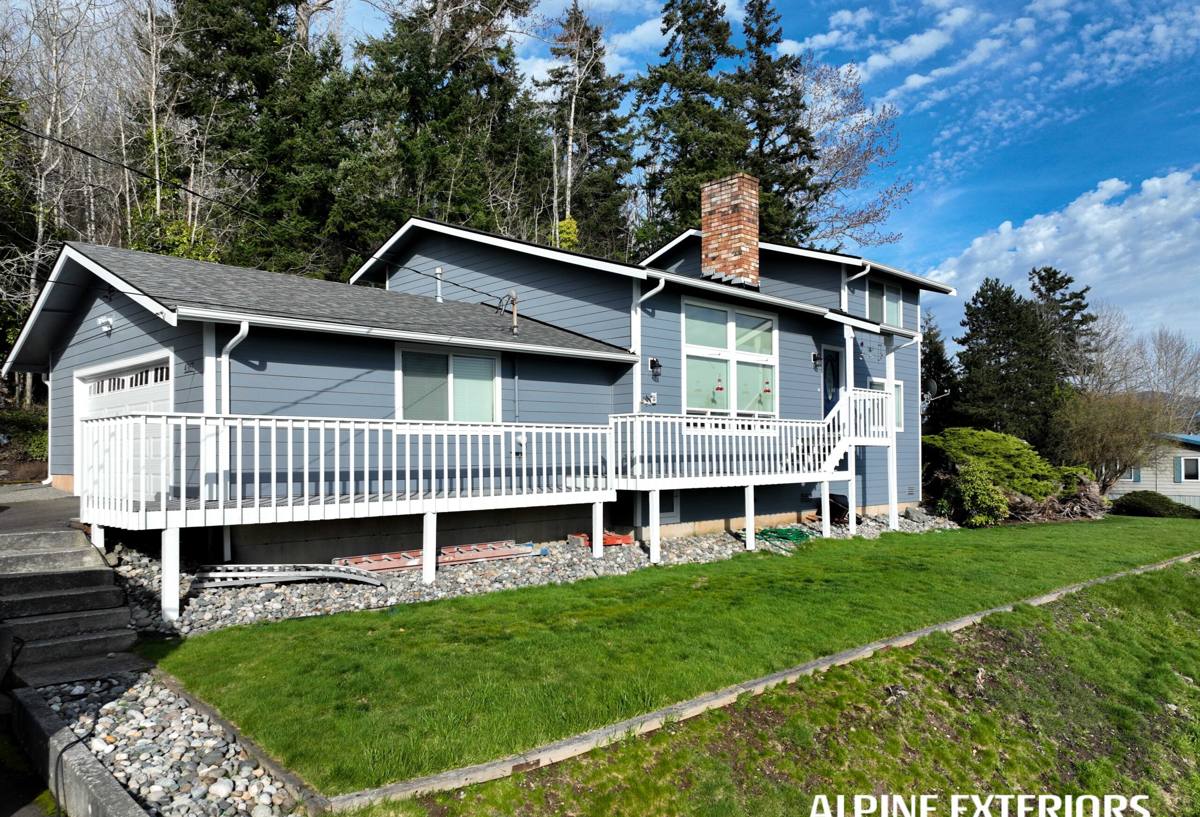
What This Climate Does to a Shingle Roof
Oldsmar isn't directly on the open Gulf, but it's close enough that salt-laden air, tropical humidity, and storm-driven wind and rain all reach Tampa Bay Golf and Country Club roofs on a regular basis. Four things drive almost every premature shingle failure we see in this area:
- Hurricane-force and straight-line wind — shingles rated for a given wind speed only perform that way if they were nailed correctly, in the right pattern, into sound decking. A roof that "should" hold 130 mph often doesn't, because the install cut corners.
- Year-round UV exposure — Florida sun bakes the asphalt in shingles faster than most parts of the country, drying out the mat and breaking down granules over time, which shows up as bald spots and brittleness years before the rated lifespan is up.
- Wind-driven rain — Pinellas County storms rarely come straight down. Rain gets pushed sideways under shingle tabs, into valleys, and around penetrations, which means flashing and underlayment quality matter as much as the shingles themselves.
- Salt air corrosion — nails, flashing, vent stacks, and other metal roof components corrode faster this close to the coast. Cheap or under-spec fasteners and flashing are a common cause of leaks that have nothing to do with the shingles.
None of this means asphalt shingles are the wrong choice for Tampa Bay Golf and Country Club. It means the installation has to account for these conditions specifically, not just meet a generic building code minimum.
What a Correct Installation Actually Involves
Tear-Off and Deck Inspection
We don't install new shingles over old ones, and we don't recommend it to anyone in this climate. A full tear-off lets us inspect the roof deck for soft spots, water staining, or rot — problems that are common on homes that have taken on slow leaks over the years and that will undermine even the best shingles if left unaddressed. Any damaged decking gets replaced before anything else happens.
Underlayment and Water Barrier
Given the wind-driven rain typical of Pinellas County storms, we use self-adhering waterproof underlayment at eaves, valleys, and around penetrations — the places where wind-blown water is most likely to find a way in — with synthetic underlayment across the rest of the field. This is a step that's easy to underspec because it's invisible once the shingles go down, which is exactly why it matters to know your crew isn't skipping it.
Drip Edge, Starter Strip, and Flashing
Proper metal drip edge at eaves and rakes, a correctly set starter strip, and step and counter-flashing at every wall, chimney, and roof-to-roof transition are what actually stop water at the roof's edges and breaks. We use corrosion-resistant flashing given how close this neighborhood sits to salt air.
Nailing Pattern and Fastening
Wind rating is only as good as the install. We follow manufacturer nailing patterns for the specific shingle and local wind exposure, not a generic pattern, and we use corrosion-resistant nails driven flush — not overdriven, which cracks the shingle, and not underdriven, which lets wind get under the tab.
Ventilation
A hot, poorly ventilated attic shortens shingle life from underneath, which is a slower but just as real problem in this climate as wind and rain. We check and correct ridge and soffit ventilation as part of the job, not as an upsell afterward.
Choosing a Shingle for This Neighborhood
Most homes in Tampa Bay Golf and Country Club will do best with either a standard architectural (laminate) shingle or an impact-rated shingle, depending on budget and how much wind and hail resistance you want built into the product itself. We lay out the honest tradeoffs below rather than pushing whichever product has the best margin.
| Shingle Type | Typical Wind Rating | Best For | Tradeoff |
|---|---|---|---|
| 3-Tab | 60–70 mph | Budget-conscious re-roofs, lower-profile look | Lower wind and impact resistance; shorter service life in this climate |
| Architectural (Laminate) | 110–130 mph | Most homes in this community — good balance of cost, looks, and durability | Higher upfront cost than 3-tab |
| Impact-Rated (Class 4) | 130+ mph | Homes wanting maximum wind/hail resistance, possible insurance discount | Highest material cost; check with your insurer on actual premium impact before assuming savings |
We install what fits your roof, your budget, and your risk tolerance — we're not going to tell you a Class 4 shingle is mandatory if a well-installed architectural shingle meets your needs and your wind exposure.
How We Handle Jobs in Tampa Bay Golf and Country Club
Working this neighborhood regularly means a few things happen more smoothly than they would with a crew coming in cold:
- We already know the City of Oldsmar's permitting and inspection process for reroofs, so there's no learning curve that delays your job.
- If your home is subject to HOA architectural guidelines, we're used to working within color and material approval requirements common to golf course communities, and we'll tell you upfront what documentation you'll likely need.
- We take care around landscaping, irrigation lines, and shared property lines — tight lots near the course mean more care during tear-off and cleanup, not less.
- We run magnetic sweeps for stray nails and haul debris off the same day tear-off happens, so your yard and your neighbors' yards aren't left with roofing debris overnight.
Our Process, Start to Finish
- Inspection and estimate — we walk the roof (or use a drone where needed), check the decking where visible, and give you a written estimate with the shingle options that make sense for your home.
- Permitting — we pull the required City of Oldsmar permit before work starts; this isn't optional and it protects you if you ever sell the home or file an insurance claim.
- Tear-off and deck repair — old roofing comes off, decking is inspected and any damaged sections replaced.
- Underlayment, flashing, and shingle installation — installed to the standards described above, not a stripped-down version of them.
- Final inspection and cleanup — city inspection where required, plus our own walk-through and full site cleanup.
Maintaining Your Roof After Installation
A correctly installed shingle roof in this climate still needs basic upkeep to hit its full service life. A short annual routine catches most problems while they're still cheap to fix:
- Walk the yard after major storms and look for shingle granules collecting in gutters or downspouts — heavy granule loss signals accelerated wear.
- Check for lifted, cracked, or missing shingles after high-wind events rather than waiting for a visible leak.
- Keep gutters and downspouts clear so water isn't backing up under the eave edge.
- Trim back overhanging branches that can abrade shingles or drop debris into valleys.
- Have a professional inspection every couple of years, and always after a named storm passes through Pinellas County.
Why It Matters That We Already Work This Neighborhood
Roofing companies that treat every job as a first-time visit to a new area tend to miss the local details that actually affect outcomes here — the permitting timeline, the HOA process, the specific wind exposure of homes near open fairways versus more sheltered interior lots. A crew that already works Tampa Bay Golf and Country Club has seen how roofs installed to true local standards perform versus roofs installed to the bare minimum, and builds every job to the former.
If you're planning a reroof or want a straight opinion on the condition of your current shingles, we're happy to come take a look. The estimate is free, there's no pressure, and you'll get a clear answer either way — repair, reroof, or leave it alone for now.