 Oldsmar Siding
 Siding Built for the Tampa Side of Oldsmar
The Tampa community sits close enough to Old Tampa Bay that homes here take on a specific mix of stresses: salt-laden air moving off the water, long stretches of direct summer sun, sudden downpours that come in sideways on a gust front, and the occasional hurricane-force wind event that tests every seam and fastener on a house. Siding in this part of Pinellas County isn't just a cosmetic layer. It's the first line of defense between a wood-framed house and a climate that doesn't let up for more than a few months a year.
We work on homes in this area regularly, which matters more than it sounds. A crew that only shows up occasionally doesn't build the pattern-recognition that comes from seeing the same failure points over and over — the same wall orientations that take the worst wind-driven rain, the same trim details that trap moisture, the same fascia lines that fade fastest under year-round UV. That local repetition shapes how we spec and install every job.
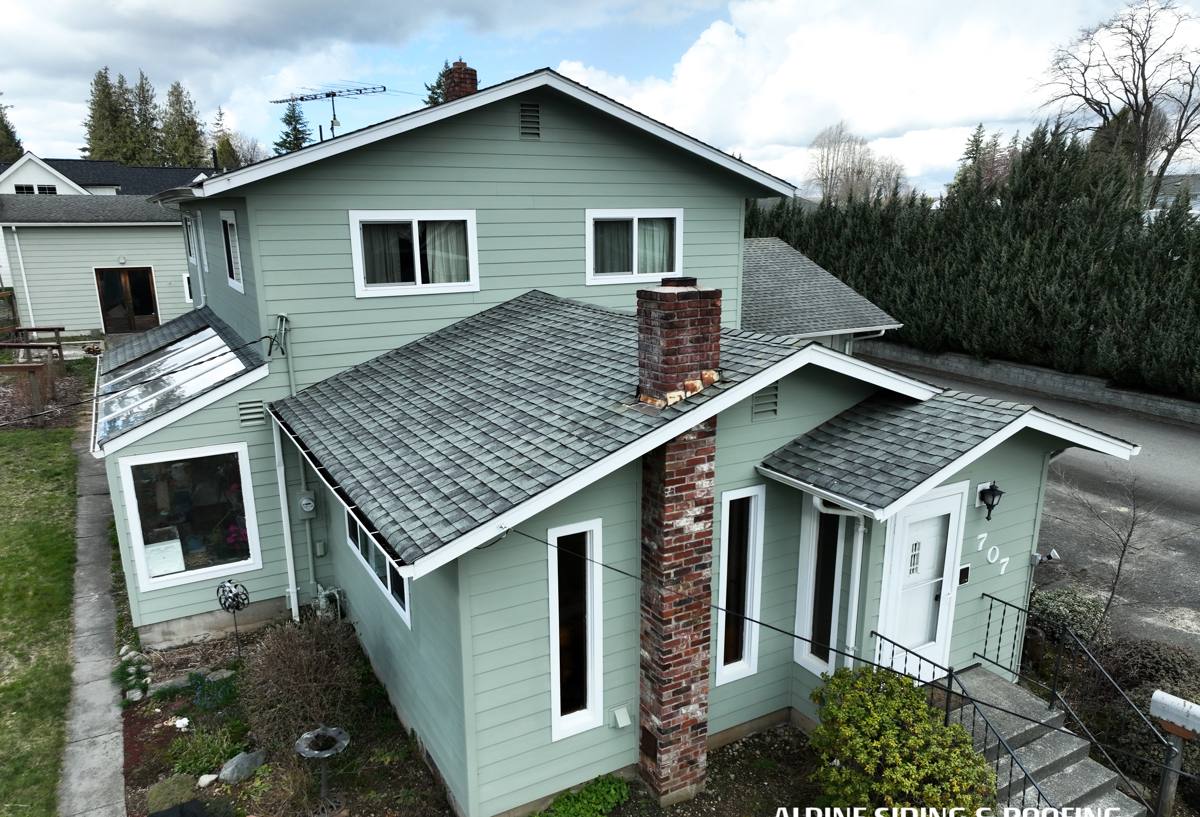
What This Climate Actually Does to Siding
Wind and Wind-Driven Rain
Tropical systems and seasonal thunderstorms don't just bring rain — they bring rain moving horizontally at speed. That drives water into any gap in a siding system: unsealed joints, undersized flashing, panels installed without the right clearance above rooflines and decks. Wind uplift also puts real load on fasteners, especially at corners and eaves where suction is highest.
UV Exposure
Florida sun is intense and consistent almost all year. Paint films that aren't engineered for it chalk, fade, and crack years before they would in a milder climate. This is one of the biggest differences between a factory-applied finish and a job-site paint job — the two age very differently under this kind of sun load.
Salt Air and Humidity
Proximity to the bay means airborne salt settles on exterior surfaces and accelerates corrosion of exposed metal fasteners and trim. Combine that with Florida's humidity and you get a climate that punishes any siding material that absorbs moisture or swells and contracts with changing conditions.
Why We Install Only James Hardie Fiber Cement
We made a deliberate decision as a company to install James Hardie exclusively — not vinyl, not LP SmartSide, not primed wood, not other fiber cement brands. That's not a marketing position, it's a practical one built around what actually holds up in this specific climate.
Fiber cement doesn't expand and contract with humidity the way wood-based products do, and it doesn't soften or warp in direct sun the way vinyl can. James Hardie's HZ10 product line is engineered specifically for climates like ours — hot, humid, and wet — with a formulation designed to resist moisture-related damage better than the company's standard HZ5 line built for drier regions. For a house near the Tampa side of Oldsmar, that regional engineering isn't a marginal detail, it's the reason the product performs the way it does over a 20-30 year span.
James Hardie is also non-combustible, which matters for insurance considerations and general peace of mind, and the ColorPlus factory-finish system applies color under controlled conditions with a baked-on finish that resists fade far better than field-applied paint. The warranty on ColorPlus finishes is also stronger than what you get with a job-site repaint, and it's transferable if the home is sold — something worth knowing if resale is ever a consideration.
What a Correct Installation Actually Involves
Fiber cement siding is only as good as the installation behind it. Hardie's own installation guidelines are specific, and skipping steps is the single biggest reason siding fails early — not the material itself.
Substrate and Moisture Barrier
Before any panel goes up, the wall needs a proper weather-resistive barrier, correctly lapped and taped at seams, with attention to any existing sheathing damage. In a humid coastal climate, this hidden layer does as much work as the visible siding.
Clearances and Flashing
Hardie specifies minimum clearances from roof lines, decks, and grade, and requires flashing at every horizontal transition, window, and door. These clearances exist specifically to keep wind-driven rain from wicking up behind the panels — skip them and you're building in a moisture problem that won't show up until years later.
Fastening Pattern
Fasteners have to be the correct type (corrosion-resistant, rated for fiber cement), spaced and placed according to Hardie's engineering — not just "close enough." In a high-wind zone, fastener placement is directly tied to wind-load performance, which is why we follow the published pattern rather than a generic approach.
Joints, Caulking, and Paint Touch-Up
Butt joints need to be treated correctly — sealed or flashed depending on the detail — and any field-cut panel edges need touch-up paint matched to the ColorPlus finish so the factory-cured protection isn't compromised at every cut line.
Our Process on a Tampa-Area Job
- On-site assessment: we look at wall orientation, existing sheathing condition, current moisture damage, and how the house has weathered so far.
- Product and color selection: matching HZ10 panel profile and ColorPlus color to the home's style and HOA or neighborhood expectations where applicable.
- Tear-off and substrate repair: removing old siding fully rather than covering over hidden rot, since that's the most common source of callbacks on any siding job.
- Barrier and flashing installation: the unglamorous part that determines whether the job lasts 10 years or 30.
- Panel installation to spec: correct clearances, fastening pattern, and joint treatment throughout.
- Final inspection and touch-up: checking every cut edge, corner, and penetration before calling the job complete.
Mistakes We See in This Area
Working on Tampa-area homes near Oldsmar for a while surfaces the same handful of problems repeatedly, usually from previous installs done fast or by crews unfamiliar with fiber cement:
- Panels installed tight against roof lines or decks with no clearance, trapping water against the bottom edge
- Field cuts left unpainted, letting moisture into the cut fiber cement edge
- Standard fasteners used instead of corrosion-resistant ones, leading to rust streaking within a few years
- Butt joints caulked instead of properly flashed, which fails once the caulk ages in the sun
- Weather barrier gaps or poor lapping behind the siding, invisible until a wall cavity shows moisture damage
None of these are failures of the material — they're installation shortcuts. This is exactly why the installer matters as much as the product choice.
What Drives Cost on a Job Like This
| Factor | Why It Matters |
|---|---|
| Home size and wall complexity | More corners, gables, and dormers mean more cutting, flashing, and labor time |
| Substrate condition | Rotted sheathing found during tear-off needs repair before any siding goes up |
| Panel profile chosen | Lap siding, shingle-style panels, and board-and-batten each carry different material and labor costs |
| Trim and accessory scope | Fascia, soffit, and trim replacement alongside siding adds to the total but keeps the whole exterior consistent |
| Access and site conditions | Tight lot lines, landscaping, or multi-story walls affect staging and labor time |
We give a firm number after walking the property, not a phone estimate — too much of the real cost depends on what's under the old siding.
Maintaining Hardie Siding in This Climate
Part of why we recommend James Hardie is how little maintenance it needs compared to alternatives, but "little" isn't "none." A short seasonal routine keeps the ColorPlus finish and the underlying panel performing as designed:
- Rinse siding periodically to remove salt residue and airborne grime, especially on walls facing the bay
- Inspect caulking at joints and penetrations annually and re-caulk any that's cracked or pulled away
- Check flashing above windows, doors, and roof transitions after major storms
- Keep irrigation heads from spraying directly on siding, which can cause mineral staining over time
- Have any impact damage from storm debris repaired promptly rather than left exposed
Why It Matters That We Already Work Here
A siding job is only as good as the crew's familiarity with local conditions — how the wind hits a given orientation, which wall lines take the worst rain, what a previous decade of sun does to a given color. Crews that install across a wide, unfamiliar territory don't build that same feedback loop. Working consistently in and around Oldsmar and the Tampa Bay side of Pinellas County means we've seen how these details play out on real houses over real Florida seasons, and we build every installation around that experience rather than a generic national playbook.
If you're weighing a siding replacement or repair on a home in this area, we're happy to walk the property, look at what's actually happening with your current siding, and put together a straightforward, no-pressure estimate — no obligation, just a clear look at what your home needs.